People often picture Morocco as a single climate, hot, dry, and sunny, and are surprised when the reality is far more varied. In one week you can move from the Mediterranean rhythm of the imperial cities to snow lying on a High Atlas pass, then down into the furnace-dry Sahara and out to a wind-scoured Atlantic beach. That range is one of the great pleasures of the country, but it does make packing a small puzzle. We have been guiding North American travelers across every one of these regions since 1999, and the good news is the puzzle solves itself once you understand each zone. If you are still shaping your dates and route, our guide to planning a trip to Morocco is the place to start.
City weatherThe imperial cities: Marrakech, Fes, Rabat and Meknes
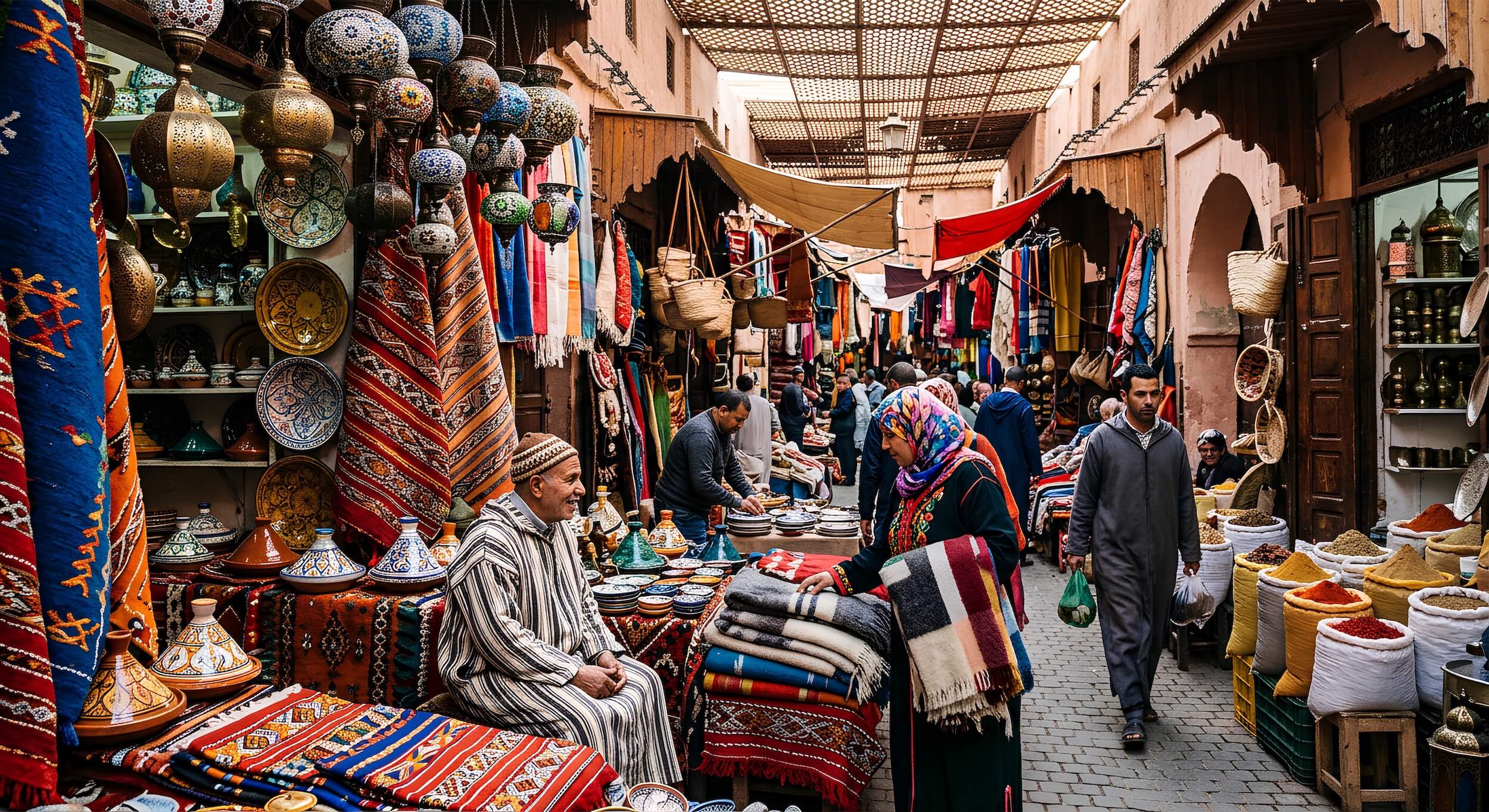
Morocco's four imperial cities sit at different elevations and latitudes, but they share a broadly Mediterranean climate. Summers are hot and dry, with Marrakech regularly reaching 38 to 42°C (100 to 108°F) in July and August. Spring and fall are ideal, with daytime temperatures between 20 and 28°C (68 to 82°F). Winters are mild by North American standards, though the evenings can turn surprisingly cool once the sun drops behind the medina walls.
For summer, pack lightweight, breathable fabrics that let the heat pass through rather than trap it. For spring and fall, layer a light jacket or cardigan for the evenings. Modest clothing is both respectful and practical here: loose linen shirts, long pants or a skirt, and comfortable walking shoes that can handle uneven cobbles in the souks. A wide-brimmed hat and a good sunscreen are essential year-round, and a small daypack keeps a water bottle and a spare layer within reach.
Desert extremesThe Sahara Desert: Merzouga and Zagora
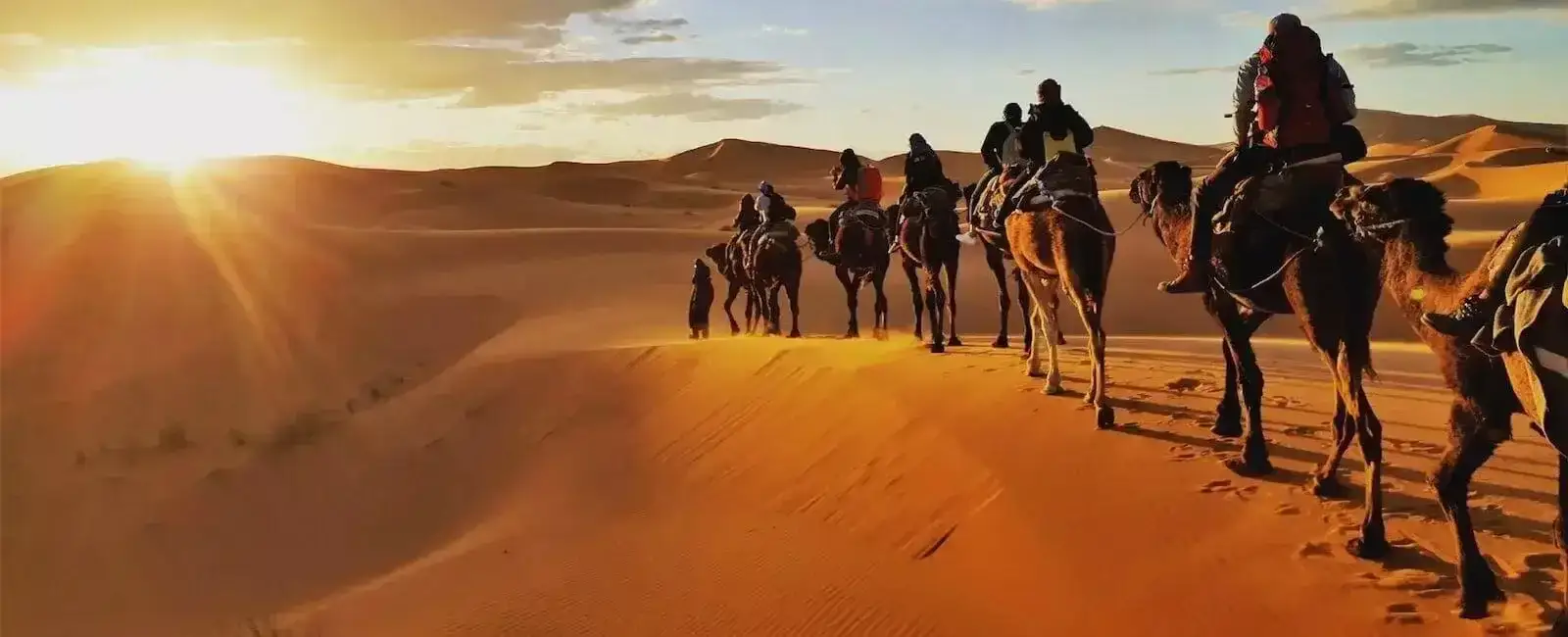
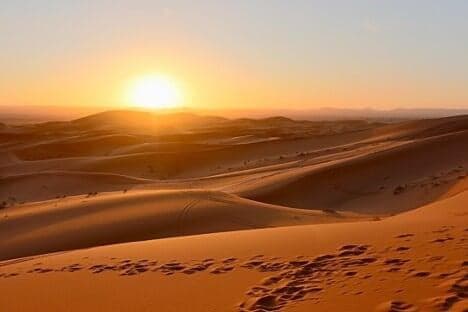
The Sahara is a study in extremes. Summer days can exceed 45°C (113°F), while winter nights fall close to freezing. The most rewarding window runs from October through April, when the daytime is warm and comfortable and the nights are cool and clear, the classic conditions for a camel trek and a night under the stars. If you are weighing exact dates, our month-by-month guide to the best time to visit Morocco walks through how each month actually feels in the dunes.
A light down jacket or fleece is essential for desert nights and dawn camel treks, even in spring. Bring a buff or a lightweight scarf to shield your face against wind and blowing sand, closed-toe shoes rather than sandals for walking on the dunes, and sunglasses with real UV protection, which are non-negotiable out here. On a private Sahara journey with us, your driver and guide brief you on local conditions before you reach the desert, so nothing about that first night comes as a surprise.
Mountain layersThe Atlas Mountains: Toubkal, Midelt and the valleys
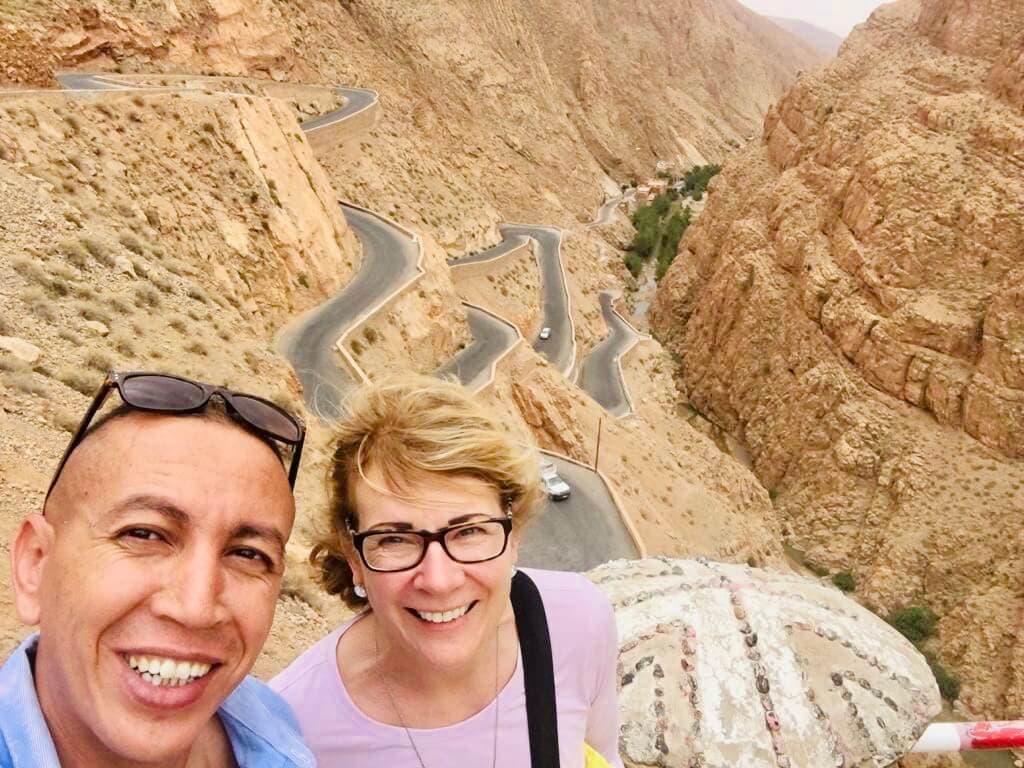
The High Atlas can hold snow from November through April, and even in high summer the loftier passes stay cool. The Dades and Draa valleys, which sit at the foot of the range, are warmer but still refreshing compared with the desert beyond them. This vertical variety is exactly why the mountains reward a slower pace, and why our travelers who pause here rather than simply driving through remember it so fondly.
If you are traveling between October and April, treat the Atlas like a cool-weather destination: a warm mid-layer, a waterproof outer shell, and sturdy walking shoes. In summer, a light fleece for the evenings is usually enough. If your itinerary includes a hike toward Toubkal, proper trekking boots and thermal layers are essential regardless of season, since conditions at altitude change quickly. Weather aside, a good pair of shoes is the single most useful thing in any Morocco suitcase, worth breaking in well before you fly.
Coastal airThe Atlantic and Mediterranean coasts: Essaouira, Agadir and Tangier
Morocco's coastline is one of its most underrated assets, and one of the easiest to underdress for. Essaouira is famously windy year-round, a blessing that keeps summer comfortable, but bring a windbreaker even in August. Agadir enjoys a warmer, more sheltered climate and is genuinely pleasant in winter when much of Europe is grey and cold. Tangier and the northern coast lean more Mediterranean, with mild, wet winters and warm, dry summers.
A light windproof layer is the most useful single item for any coastal stop. Swimwear is appropriate at the beach resorts, and for Essaouira specifically we always tell travelers to pack one extra layer even in summer, because the Atlantic wind is real and persistent. If you are pairing a coastal stretch with the desert or the cities, that same versatile layering approach carries you through, which is the whole logic behind how we build multi-region routes.
The strategyPacking smart across every region
The best private Morocco tours are designed to move between these regions seamlessly, which means one suitcase has to work across several climates in a single trip. The practical answer is to pack a versatile base of neutral, breathable clothing, then add one or two targeted layers for the desert nights and mountain passes on your particular route. Roll rather than fold to save space, keep a warm layer accessible rather than buried, and leave a little room for the rug or ceramics you will inevitably want to bring home.
Two more pieces of the puzzle sit close to weather. The season you choose shapes your packing as much as the region does, and our companion piece on choosing the ideal season for your journey helps you match the calendar to the kind of trip you want. And a few health items, from sunscreen to a small first-aid kit, belong in every bag; our notes on packing and health tips for a private tour and our Morocco health and vaccinations guide round out the essentials.
“Pack a versatile base for the cities and coast, then add one warm layer for the desert nights and one for the mountain passes. That single principle covers almost every Morocco route.”— Gateway2Morocco trip planners
Put it togetherWhere each region fits on a private route
Understanding the weather is really about understanding how the regions link together, and that is where a private itinerary shows its value. A classic loop threads the imperial cities, crosses the High Atlas, drops into the Sahara, and finishes on the coast, each leg with its own climate and its own layer. Our Discover Morocco tour is a gentle, well-paced way to see that range without rushing, and every trip we run is 100% private and holds a British Columbia Consumer Protection Licence (#80460), so the logistics are handled while you focus on the experience.
Tell us your travel dates and we will help you pack and plan for every region on your private Morocco tour. A written proposal within 48 hours, no deposit, unlimited revisions.
Begin your journey“From start to finish, every detail was handled with care, professionalism, and genuine warmth.”