The short answerIs Morocco safe for Americans and Canadians? The short answer
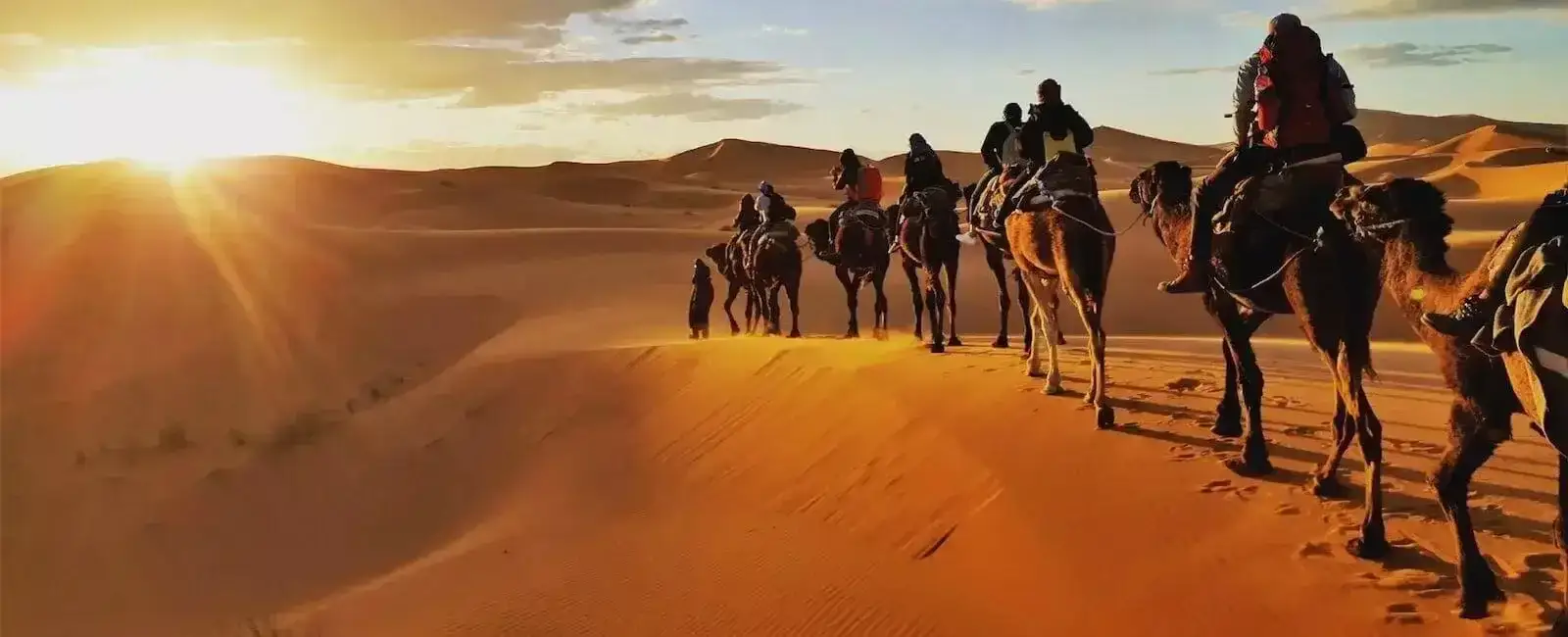
Yes. We have been guiding North Americans around Morocco since 1999, and Gateway2Morocco Travel has run private trips since 2006. The question we are asked most often before a booking is whether Morocco is safe for Americans and Canadians. The question we are almost never asked after the trip is the same one. What people remember is the welcome: the driver who waits with an umbrella in Fes, the camp staff at Erg Chebbi who walk you up the dune in the dark to catch sunrise.
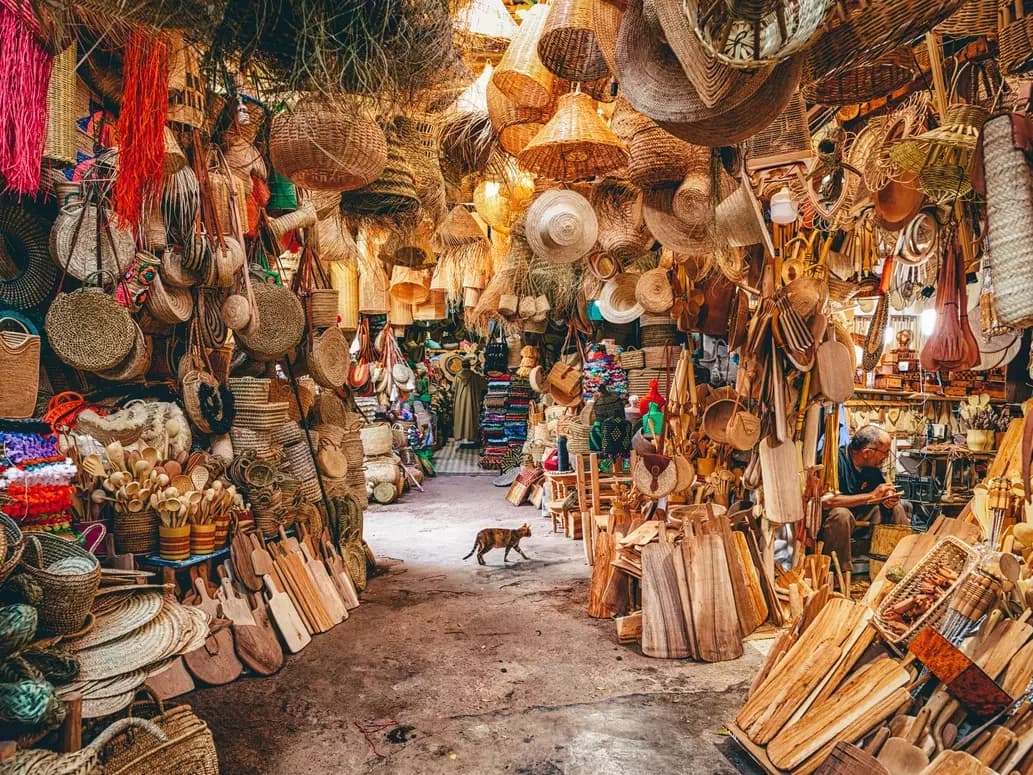
That does not mean nothing ever goes wrong. What you meet in Morocco is mostly friction, not danger: a would-be guide who attaches himself to you in the medina, an inflated first price in the souk, an occasional pickpocket in a crowd, and roads that demand a driver who knows them. All of it is predictable, and almost all of it is manageable once you know its shape. This guide gives you that shape, starting with what your own government actually says.
The advisoriesWhat the official advisories actually say (September 2026)
United States. The US State Department travel advisory for Morocco is Level 2: Exercise Increased Caution, on a four-level scale, with terrorism as the stated reason. The advisory text is dated April 21, 2025 and was still the current version when we checked in September 2026. It says terrorist groups continue plotting possible attacks and may target tourist locations, transportation hubs and markets, and it recommends staying alert in tourist areas, avoiding demonstrations and enrolling in the Smart Traveler Enrollment Program (STEP).
Canada. Canada's official travel advice for Morocco reads: "Exercise a high degree of caution in Morocco due to the threat of terrorism." That is the second of Canada's four risk levels. It adds two regional advisories: avoid all travel within 20 km of the border with Algeria, and avoid non-essential travel to Western Sahara.
Context matters. Level 2 is the same tier the State Department currently gives France, Spain, Germany, Italy and the United Kingdom, and Canada uses the same "high degree of caution" wording for France. In other words, both governments put Morocco in the same bracket as the European capitals most North Americans visit without a second thought. Advisories change, so read the current version of both pages the week you fly.
- ✓Standard tourist routes, including every itinerary we run, stay out of Western Sahara and away from the Algerian border zone. If anyone offers you an off-road drive toward the frontier from the desert, decline it.
- ✓Enrol before you go: US citizens in STEP (step.state.gov), Canadians in the Registration of Canadians Abroad service on travel.gc.ca. It costs nothing and means your embassy can reach you.
- ✓Avoid demonstrations and large political gatherings, as both advisories say. They are rare on tourist routes, but the advice is sound anywhere.
- ✓Buy travel insurance with medical evacuation cover. Both governments recommend it, and Canadian provincial health plans cover very little abroad.
On the groundThe real risks, and how a private driver-guide changes them
Terrorism is what puts Morocco at Level 2, but it is not what a visitor actually runs into. The things that sour a trip are smaller and far more common. Canada's advice lists pickpocketing, purse snatching and scams, especially in medinas, markets and beaches. The US page adds aggressive panhandling and harassment of women. Here is each one, with what actually changes when you have your own driver and a licensed local guide.
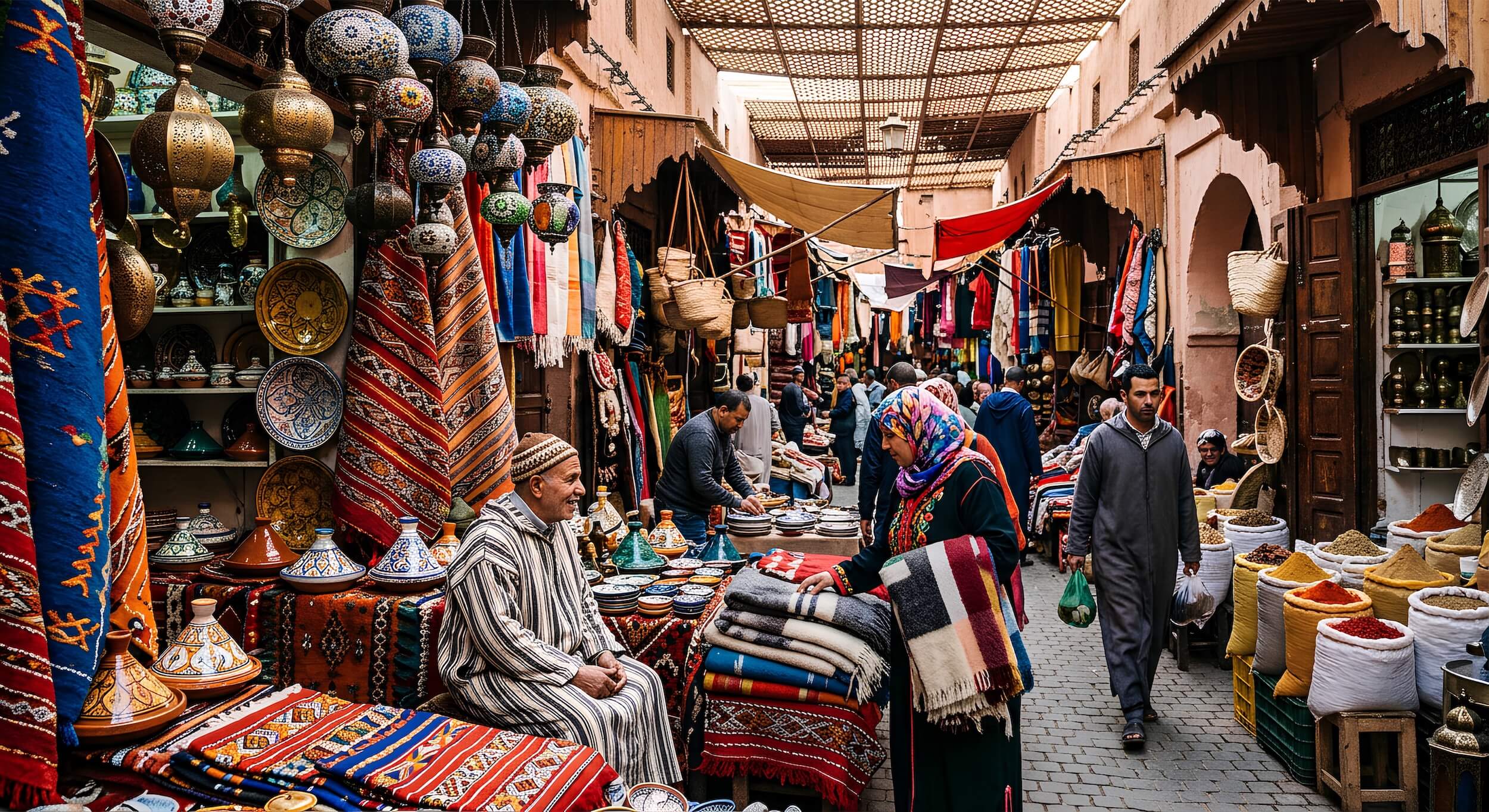
- Faux guides. A friendly man tells you the square is closed today, or that the tannery is this way, and expects payment at the end. On your own, a polite, firm "la, shukran" (no, thank you) and walking on is enough. With a licensed city guide beside you, nobody tries.
- Scams and inflated prices. The carpet shop "cooperative", the henna artist who grabs your hand, the taxi with no meter. First prices in the souk are an opening bid, not an insult. A guide who lives in the medina knows what things cost, and a private vehicle removes taxi negotiation entirely.
- Petty theft. Jemaa el-Fna at night is as crowded as Times Square, and the same rules apply: front pockets, a zipped cross-body bag, phone away when you are not using it. Violent crime against visitors is uncommon, but the US page notes knives are sometimes used in street robberies, so do not resist if it happens.
- Traffic. This is the risk we take most seriously. The State Department calls Moroccan driving practices very poor, and Canada advises avoiding driving at night. Mountain passes like Tizi n'Tichka (about 2,260 m) have long drops and slow trucks. Our drivers do these roads every week, do not drive after dark on mountain sections, and build in stops every 90 minutes or so. We do not recommend self-driving for a first visit.
- Harassment of women. Real, mostly verbal, and worst in crowded medina lanes. More on this below.
- Heat. Underrated. Marrakech averages daily highs around 37 to 38°C in July and August, and the desert is hotter. Heat exhaustion sends more visitors to a clinic than crime does. We plan desert trips for March to May and September to November, and schedule walking for early morning in summer.
Notice the pattern. Nearly every item above is a stranger-management problem, and a private trip quietly removes the stranger. You are met at the airport, walked through the souks by someone who grew up in them, and driven door to door by the same person for the whole trip. That is the main reason we run private Morocco tours and not group departures. For the full list of practical do's and don'ts, our companion guide on how to stay safe and enjoy your trip to Morocco goes into more detail.
Women travellersIs Morocco safe for women?
Yes. Women travel Morocco on their own or in pairs all the time, and we plan private trips for them every season. The honest caveat comes straight from Canada's advice: "Women travelling alone may be subject to certain forms of harassment and verbal abuse." In practice that usually means comments, hissing, or a man who walks alongside you for a block too long in a busy medina. Physical assault of foreign women is rare, but the US page advises walking with a companion in quieter areas, and we agree.
What helps, in order of how much it helps:
- 1
A guide or driver with you in the medinas. Harassment drops to almost nothing when you are walking with a local.
- 2
Dressing on the modest side: shoulders and knees covered, loose layers. It is not a legal requirement, and nobody expects a headscarf, but it lowers attention noticeably.
- 3
Not engaging. Sunglasses, a steady pace and no reply is the local way. Stopping to argue invites a performance.
- 4
Staying in a riad or hotel with staff on the door at night, which is standard at every property we book.
- 5
After dark, taking the car rather than walking back through empty lanes.
We have written a full page on Morocco tours for solo female travellers, and a longer piece on solo travel in Morocco, including which cities feel easiest (Essaouira and Rabat) and which take more confidence (the Marrakech souks on a Friday afternoon).
Older travellersOlder travellers: is Morocco safe at 70 and beyond?
Safety is rarely the problem for older travellers. Physical comfort is. The Fes medina is steep and stepped, many traditional riads have narrow stairs and no lift, and an eight-hour driving day is exhausting at any age. None of that is dangerous, but it can turn a good trip into a tiring one. The fix is pacing: shorter driving days, hotels with lifts where needed, medina walks broken into short sections, and the camel ride always optional. Our Morocco tours for seniors page explains how we plan for it, and our honest guide to whether Morocco is too hard for travellers over 70 goes city by city.
LGBTQ travellersLGBTQ travellers: the honest version
We will not soften this. Same-sex sexual relations are a crime in Morocco. Article 489 of the Moroccan Penal Code provides for six months to three years in prison and a fine of 120 to 1,000 dirhams, as the Human Dignity Trust's legal summary sets out. The State Department's Morocco page confirms consensual same-sex relations are criminalised, and Canada's advice says 2SLGBTQI+ travellers should carefully consider the risks.
Prosecutions of foreign visitors are rare, and LGBTQ travellers do visit Morocco. But the law is real, and public attitudes are conservative. If you decide to go:
- Keep affection private. Public displays of affection are frowned on for every couple in Morocco, straight or not, so discretion does not single you out.
- Two adults sharing a room is completely ordinary in Moroccan hotels and riads and draws no comment.
- Be careful with dating apps and with strangers who move quickly from friendly to personal.
- Travel privately. A trusted driver and guide who know you are a couple, and who are discreet about it, is a real advantage. Tell us in confidence at the planning stage and we will match you with the right team.
Staying wellHealth, water and food
Most visitors who get sick in Morocco get a mild upset stomach, not anything serious. Drink bottled or filtered water, which costs little and is everywhere; we keep it in the vehicle. Salads and fruit at good hotels and riads are generally fine, and a busy food stall with high turnover is often safer than a quiet restaurant. Wash your hands before meals, because much of Moroccan food is eaten with bread and fingers.
See a travel clinic six to eight weeks before you go and check routine and travel vaccines against the CDC and Government of Canada health pages. Our Morocco health and vaccinations guide covers the details. Pharmacies are excellent and easy to find, and Casablanca, Rabat and Marrakech have good private clinics. Bring your full supply of any prescription medication in its original packaging, in your carry-on.
Timing is part of staying well. Our month-by-month guide to the best time to visit Morocco explains why we steer desert trips away from July and August.
Morocco is not dangerous. It is intense. The travellers who struggle are the ones who arrive on a late flight, grab a street taxi, and try to find a riad in the dark medina on their own. Take that first night out of your hands, travel with people who know the roads, and the country gives you its best side.
Where to startPrivate journeys that keep it simple
If you want a starting point, three of our journeys suit a first, low-stress visit: the 9-day Imperial Cities tour (Casablanca, Rabat, Fes and Marrakech, no desert), the 9-day Marrakech, Atlas and Sahara loop, and the 10-day Tangier to Marrakech journey through Chefchaouen, Fes and the Erg Chebbi dunes. Every one is 100% private, with your own driver throughout and licensed guides in the cities.
If you are still deciding between a private trip and a group tour, our comparison of a private tour versus a group tour lays out the trade-offs, and our visa guide for Canadian and American travellers covers entry rules.
Tell us your dates and anything that worries you, and we will design a private itinerary that takes the friction out of Morocco. BC Consumer Protection Licence #80460, 4.9 on TripAdvisor from 300+ reviews.
Design my journey“Within 24 hours, we were already speaking directly with Brahim, the owner of the company.”