• Marrakech Travel Guide: How to Experience the City Like a Loca

    Marrakech is a city that rewards travelers who slow down, wander with intention, and follow local rhythms rather than a strict checklist. This Marrakech Travel Guide is optimized for visitors from the United States who want authentic local tips, from the best time to visit and how to navigate the city to where Marrakchis actually eat, shop, and go out at night with the support of expert Morocco specialists like Gateway2Morocco.
    Request Your Custom Morocco Itinerary

Introduction to Marrakech

Marrakech, often called the “Red City” for its terracotta walls and buildings, sits at the crossroads of Berber, Arab, and French influences. In the medina (old city), centuries‑old mosques, caravanserais, and riads sit beside buzzing cafés, rooftop terraces, and artisan workshops, creating an atmosphere that feels both historic and vibrant. Beyond the walls, newer neighborhoods like Gueliz and Hivernage showcase contemporary galleries, concept stores, and stylish restaurants that many locals frequent after work.

For visitors from the United States, Marrakech offers an accessible introduction to Morocco’s culture: a walkable historic core, English‑speaking hospitality staff, and a huge range of accommodations from family‑run riads to luxury resorts. Planning your journey with a local specialist such as Gateway2Morocco helps you combine famous landmarks with real local experiences, neighborhood walks, and curated cultural encounters that many guidebooks overlook.

Marrakech_La_Koutoubia_Mosque

Best Time to Visit Marrakech

The best time to visit Marrakech is during spring (March–May) and fall (September–November), when days are warm, evenings are cool, and sightseeing is comfortable. In these shoulder seasons, daytime temperatures usually sit in the low to mid‑70s Fahrenheit, ideal for exploring the medina, enjoying rooftop dinners, and joining guided tours. Summer can be extremely hot, often well above 100°F, which makes midday sightseeing challenging for first‑time visitors who are not used to desert climates.

Winter brings milder days and cooler evenings, so you will want layers for unheated riads and outdoor cafés after dark. If you want a more local feel and fewer crowds at top attractions, consider traveling outside peak European vacation periods, such as July–August and the Christmas–New Year holidays. Travelers who book through Gateway2Morocco can receive tailored advice on the best month to visit Marrakech based on preferred activities, side trips to the Atlas Mountains or Agafay Desert, and festival dates.

Marrakech Jamaa El Fna Square

Navigating the City Like a Local

Transportation Tips

Inside the medina, walking is the main way to get around, and most top attractions are reachable via short strolls through narrow alleys. Streets are often too tight for cars, and you will share space with motorbikes, delivery carts, and donkeys, so staying alert and stepping aside at corners quickly becomes part of the local rhythm. When you want to reach places outside the medina—such as Jardin Majorelle, the YSL Museum, Gueliz, or Hivernage—small “petit taxis” are a convenient option

You can usually find taxis around Jemaa el‑Fna and at main gates; agree on a fare in Moroccan dirhams or ask the driver to use the meter before you get in. Many riads and hotels also arrange private transfers, which are especially helpful for airport arrivals or late‑night returns after dinner or nightlife. Gateway2Morocco can pre‑arrange private drivers and airport transfers as part of your custom Marrakech travel package, making your arrival and departure smoother.

Understanding the Layout

Marrakech is broadly divided into the historic medina and the newer districts, each with its own character and pace. The medina contains Jemaa el‑Fna, the Koutoubia Mosque, the main souks, and key monuments such as Bahia Palace, El Badi Palace, and Medersa Ben Youssef, all within walking distance of each other. As you wander, you will notice how the atmosphere shifts from intense and commercial around the central souks to calmer, more residential alleys just a few turns away.

Outside the medina walls, Gueliz and Hivernage showcase the city’s modern side, with wide boulevards, boutiques, art spaces, and many restaurants and nightlife venues that locals frequent. Further out, the Palmeraie and resort areas host large hotels, golf courses, and pool clubs, often used for special occasions or weekend breaks. Understanding this layout helps you plan days that follow a local rhythm: medina mornings, a hammam or rest in the afternoon, and evenings in Gueliz or Hivernage. Gateway2Morocco can help you choose where to stay so you are perfectly positioned between historic charm and modern comfort.

Best Time to Visit Marrakech

The best time to visit Marrakech is during spring (March–May) and fall (September–November), when days are warm, evenings are cool, and sightseeing is comfortable. In these shoulder seasons, daytime temperatures usually sit in the low to mid‑70s Fahrenheit, ideal for exploring the medina, enjoying rooftop dinners, and joining guided tours. Summer can be extremely hot, often well above 100°F, which makes midday sightseeing challenging for first‑time visitors who are not used to desert climates.

Winter brings milder days and cooler evenings, so you will want layers for unheated riads and outdoor cafés after dark. If you want a more local feel and fewer crowds at top attractions, consider traveling outside peak European vacation periods, such as July–August and the Christmas–New Year holidays. Travelers who book through Gateway2Morocco can receive tailored advice on the best month to visit Marrakech based on preferred activities, side trips to the Atlas Mountains or Agafay Desert, and festival dates.

Things to Do in Marrakech

Explore the Medina

Jemaa el‑Fna, the city’s main square, is the heart of Marrakech and a must‑see for any Marrakech Travel Guide focused on local life. During the day, it is busy with juice stalls and small vendors, and after sunset it transforms into a lively open‑air dining and entertainment space with food stalls, musicians, and performers. From Jemaa el‑Fna, small lanes lead into the souks, where you can watch artisans working leather, metal, wood, and textiles in workshops that have been active for generations.

Architectural highlights include the Koutoubia Mosque’s famous minaret (visible from many rooftops), the intricate tilework and wood carving of Medersa Ben Youssef, and the majestic courtyards of Bahia Palace and El Badi Palace. A quieter cultural stop is Maison de la Photographie, where historic photographs of Morocco are displayed alongside a simple rooftop café with medina views. Gateway2Morocco can organize private guided walks through the medina so you can appreciate the history, architecture, and hidden corners without worrying about navigation.

Marrakech_Souks_Medina

Visit Local Markets and Souks

The main souks close to Jemaa el‑Fna are traditionally organized by craft, which is still how many locals navigate them. You will find dedicated areas for leather goods, metalwork, lanterns, carpets, spices, and ceramics, as well as specialized zones like Souk des Babouches (for slippers) and Souk Haddadine (for metalworkers). Bargaining is expected and part of the experience, and approaching it with patience, friendliness, and a sense of humor usually results in better prices and more enjoyable interactions.

For a more local market atmosphere, head toward less touristy areas and neighborhood markets where residents shop for fresh produce, olives, and everyday items. Visiting early in the morning, greeting shopkeepers with “Salam alaykum,” and asking about their craft creates more authentic conversations. Gateway2Morocco can pair you with a local guide or shopping assistant who helps you find quality items and navigate pricing in a culturally sensitive way.

Local_rugs_shop_marrakech

Cultural Experiences

Several cultural experiences define daily life in Marrakech, including hammams, cooking traditions, and neighborhood cafés. A visit to a traditional hammam for a steam and scrub is both relaxing and deeply rooted in local custom, and you can choose between simple communal hammams and spa‑style versions attached to riads and hotels. Cooking classes led by Moroccan cooks teach you how to prepare tagines, couscous, and salads using fresh market ingredients and family recipes, giving you skills to recreate flavors at home.

In the evenings, many residents gather at simple cafés near medina gates or in Gueliz, sipping mint tea or espresso and watching the flow of people and traffic—a perfect way to slow down and observe everyday life. You can also join storytelling evenings, musical performances, or cultural dinners that highlight Berber, Arab, and Andalusian influences. Gateway2Morocco can incorporate authentic hammams, cooking classes, and cultural experiences into a tailored Marrakech itinerary designed around your interests.

Cooking class at la Maison Arabe Marrakech

Hidden Gems Off the Beaten Path

Within the medina, Le Jardin Secret offers a peaceful garden and restored palace architecture tucked behind high walls, ideal for a quiet break from the busy souks. In the modern city, Jardin Majorelle and the nearby YSL Museum are beloved for their striking design, lush planting, and strong link to Morocco’s creative heritage. These sites are popular but remain essential stops for travelers seeking a deeper understanding of Marrakech’s artistic and cultural story.

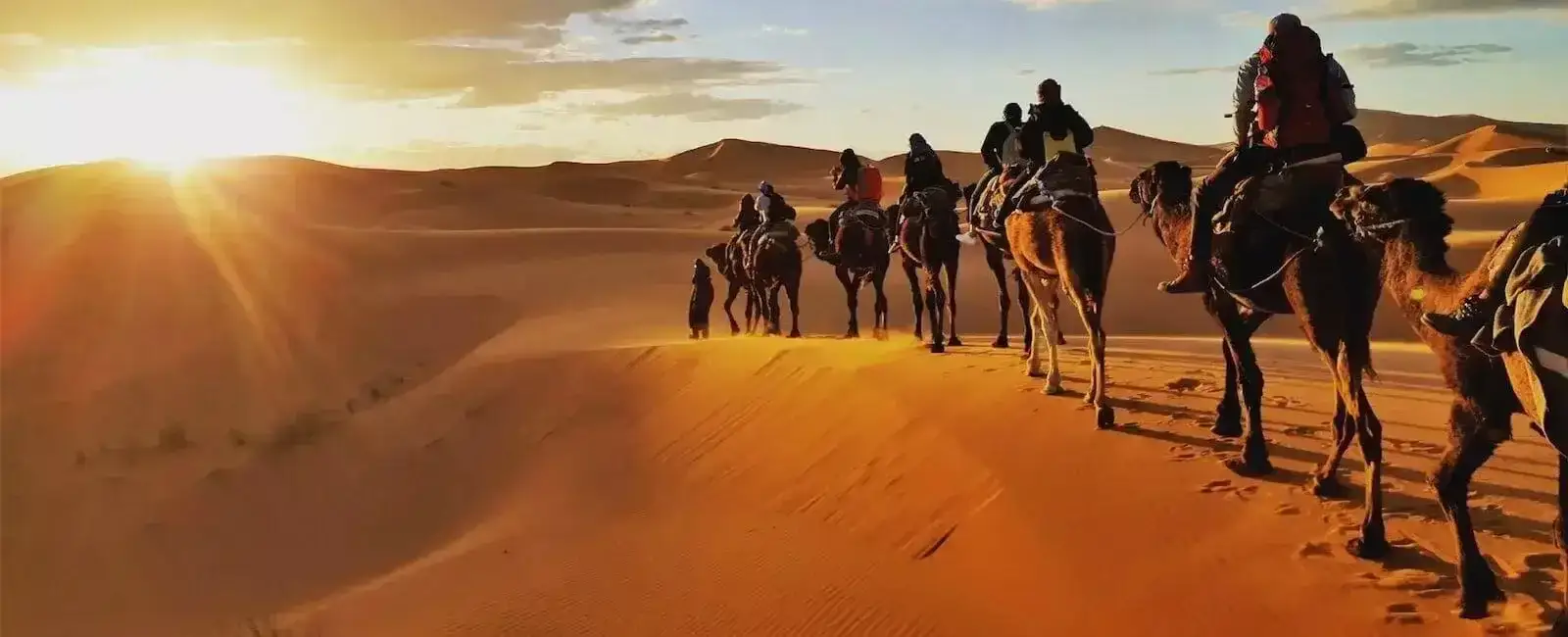
Beyond the city, a half‑day or full‑day trip to the Agafay Desert gives you desert‑style sunsets, camel rides, quad biking, and dinners under the stars without the long drive to the Sahara. Another favorite escape is the Atlas Mountains, where you can visit Berber villages, hike scenic trails, or enjoy lunch with panoramic views before returning to the city. Gateway2Morocco specializes in combining Marrakech stays with expertly organized day trips and multi‑day extensions to the Atlas, Sahara, and Atlantic Coast.

secret_gardens_marrakech

Best Restaurants in Marrakech

Traditional Moroccan Cuisine

Traditional Moroccan cuisine in Marrakech centers on slow‑cooked tagines, couscous, grilled meats, preserved lemons, olives, and a wide variety of salads. Many riads serve home‑style dinners for guests, offering dishes like chicken with preserved lemon and olives, lamb with prunes, and vegetable couscous that reflect family recipes and seasonal produce. Eating in a riad dining room or courtyard often feels more intimate and authentic than a large restaurant.

Rooftop restaurants in the medina reinterpret classic dishes with lighter, contemporary touches that appeal to both locals and visitors. You can expect menus featuring harira soup, kefta tagine, fresh juices, and creative desserts, all served with views over the rooftops and the call to prayer as a backdrop. Gateway2Morocco can recommend and reserve trusted restaurants that balance quality, atmosphere, and value, based on your taste and budget.

Al Fassia in Gueliz, Marrakech

Local Favorites

Inside the medina, stylish eateries with courtyards and rooftop terraces attract Marrakchis who want to meet friends or entertain visitors in a relaxed setting. In the new town, Gueliz offers modern bistros, cafés, and international‑inspired menus, including brunch spots and specialty coffee bars that younger locals love. These venues are ideal if you want to experience the daily life of Marrakech beyond the tourist trail.

At the same time, many residents still rely on simple neighborhood grills, corner snack bars, and small eateries for everyday meals. Here you will find grilled brochettes, sandwiches, and bowls of lentil or bean soup served quickly and affordably. Gateway2Morocco can point you toward authentic local addresses where flavor, cleanliness, and price come together perfectly.

Must‑Visit Food Markets

At night, Jemaa el‑Fna becomes a vast open‑air dining area, with food stalls serving grilled meats, skewers, tajines, and traditional street dishes. While this square is famous worldwide, it is still part of how locals and regional visitors enjoy casual dinners and social evenings. For fresh produce and spices, smaller neighborhood markets and traditional markets in older quarters offer a more local feel than the main tourist routes.

Spice vendors sell blends commonly used in Moroccan homes, including ras el hanout, cumin, paprika, coriander, and saffron. Buying modest quantities and asking how to use each spice or blend is a great way to learn cooking tips and connect with vendors. If you prefer a structured experience, Gateway2Morocco can arrange guided market tours and hands‑on cooking experiences focused on traditional Moroccan cuisine.

Dining Experiences in the Medina

Dining on a medina rooftop is one of the most memorable things to do in Marrakech, especially when the sky turns golden and the city lights begin to glow. Many restaurants combine this setting with candlelight, lanterns, and live music, creating an atmosphere that feels both romantic and deeply connected to the surrounding neighborhood. This is an excellent opportunity to sample Moroccan wines, mocktails, or fresh juices alongside local dishes.

Some venues also offer dinner‑and‑show experiences that pair multi‑course meals with belly dancing, Gnawa music, and other cultural performances. For a quieter night, enjoying a home‑cooked dinner at your riad followed by mint tea on the roof mirrors how many Marrakchis relax at home. With Gateway2Morocco, you can plan a mix of special‑occasion dinners and simple local meals that reflect your style of travel.

Marrakech Nightlife

Local Bars and Lounges

Marrakech nightlife is centered mainly in Gueliz and Hivernage, where bars and lounges stay open late with live bands and DJs. These areas host venues that blend restaurant, bar, and club atmospheres, offering full evenings of dinner, drinks, and dancing in one place. Smart‑casual dress is common, and visitors are encouraged to respect local norms by choosing outfits that are stylish yet modest.

Many lounges and cocktail bars attract a mix of locals, expats, and travelers, especially on weekends and during holidays. You will find everything from relaxed rooftop bars with sunset views to high‑energy clubs with late‑night DJ sets. Gateway2Morocco can recommend nightlife spots that match your preferences, whether you are looking for a quiet drink with a view or a lively night out.

Cultural Performances and Events

Beyond bars and clubs, cultural performances play a big role in Marrakech’s nightlife scene. In and around Jemaa el‑Fna, you can listen to traditional music and storytelling well into the evening, surrounded by both residents and visitors. Many restaurants and riads schedule performances of Andalusian, Berber, or fusion music as part of multi‑course dinners.

During festivals and special events, cultural centers and large venues host concerts, exhibitions, and fashion shows that draw audiences from across the city. These events offer a glimpse into contemporary Moroccan creativity alongside long‑standing traditions. Gateway2Morocco can time your trip around key festivals or arrange tickets and logistics for cultural evenings so you can make the most of your nights in Marrakech.

Best Late‑Night Spots

If you want to stay out late, Hivernage’s nightclubs and lounges are some of the best late‑night spots in Marrakech. Many venues feature live music early in the evening followed by DJs, creating a full‑night experience that appeals to both locals and travelers. Reservations are often recommended, especially on weekends and during peak seasons.

For a more relaxed end to the night, rooftop bars in Gueliz and near the medina offer cocktails, mocktails, and city views without the intensity of a club. Many Marrakchis also enjoy lingering over tea or coffee in neighborhood cafés until late, particularly on warm nights. Gateway2Morocco can plan your evenings in Marrakech around your preferred pace, from quiet rooftop views to energetic dance floors.

sofitel_Hivernage marrakech

Conclusion: Embrace the Local Culture

To experience Marrakech like a local, focus less on checking off every attraction and more on building small daily rituals that connect you to the city. Choose a favorite café, chat with a friendly shopkeeper, return to the same food stall, or make time for a weekly‑style hammam visit during your stay. Simple habits like greeting people politely, dressing modestly, and supporting small family‑run businesses will make your trip feel more authentic and welcomed.

When you combine medina exploration, modern neighborhoods, day trips, and cultural experiences, Marrakech reveals layers that many short‑stay visitors never see. A customized itinerary from Gateway2Morocco ensures that your Marrakech Travel Guide becomes a real‑world journey filled with genuine encounters, local flavors, and memorable moments.

✦ Private Morocco Tours

Customize Your Journey

Tailored itineraries · Private guides · Seamless logistics

Select your preferred travel style below. This helps us build the right itinerary and ensures the quote matches your budget from the start.