A living valueMoroccan hospitality is more than just friendliness
If you have heard that Moroccans are welcoming, that reputation is well earned. Hospitality in Morocco is not a cultural nicety — it is a deeply held value rooted in centuries of tradition, Islamic ethics, and Berber customs. For North American travelers, understanding what that hospitality looks like in practice can make the difference between a surface-level trip and a genuinely meaningful experience. It grows out of the same layered heritage explored in our guide to Moroccan culture.
On a private Morocco tour, your guide does not just show you the sights. They help you navigate these cultural moments with confidence and grace, so that a cup of tea or an invitation into a home becomes an exchange rather than an awkward encounter.
Atay, poured from a heightThe ritual of mint tea
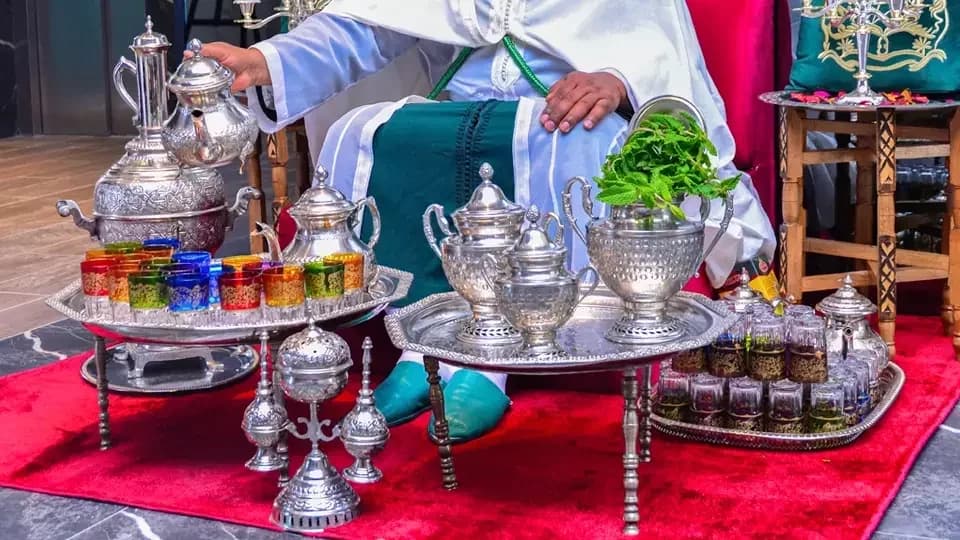
In Morocco, being offered mint tea is never casual. It signals that you are a welcome guest. Whether you are visiting a carpet cooperative in Fes, a riad in Marrakech, or a Berber family home in the Atlas Mountains, accepting tea is a sign of respect. Refusing it can feel abrupt to your host, so the graceful move is almost always to sit and stay a while.
The tea, known as atay, is typically poured from a height to create a light foam, a skill in itself, and served sweet with fresh mint. You may be offered three glasses. There is a well-known saying: the first glass is as gentle as life, the second as strong as love, the third as bitter as death. Accepting all three is a gesture of appreciation, and the ceremony often marks the true beginning of a conversation rather than the end of one. Your private guide will prepare you for these moments ahead of time, so you arrive informed rather than caught off guard.
“The first glass is as gentle as life, the second as strong as love, the third as bitter as death.”— A Moroccan saying about the three glasses of mint tea
Crossing the thresholdEntering homes and sacred spaces
Moroccan homes are private, and being invited inside one is a genuine honor. Remove your shoes at the entrance unless told otherwise. Dress modestly, especially in rural areas or when visiting religious sites. Women should carry a light scarf, and both men and women should avoid shorts in more traditional settings. These small courtesies are read closely, and honoring them warms a welcome even further.
Mosques in Morocco are generally not open to non-Muslim visitors, but the architecture and surrounding medina streets tell their own story. A knowledgeable guide helps you appreciate these spaces respectfully, without crossing boundaries that could feel uncomfortable for local residents. This kind of quiet, on-the-ground guidance is one of the clearest reasons to travel with a licensed team rather than navigate alone.
Souks and generosityThe market and the meaning behind the offer
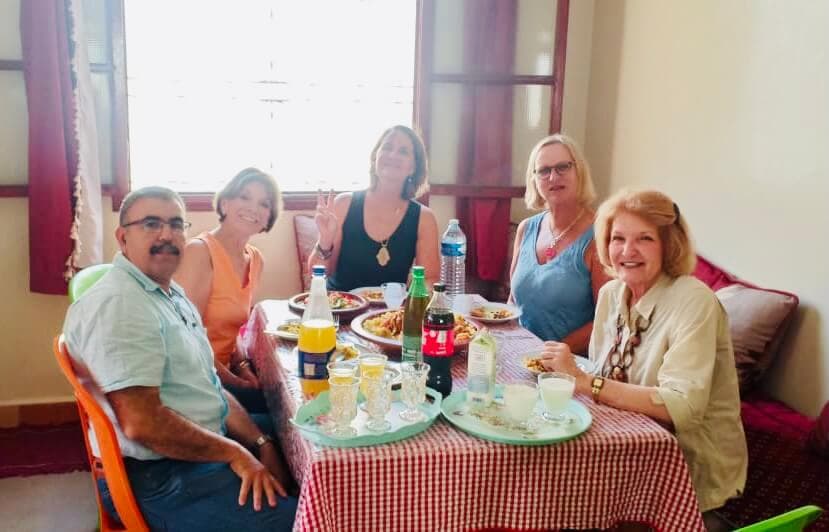
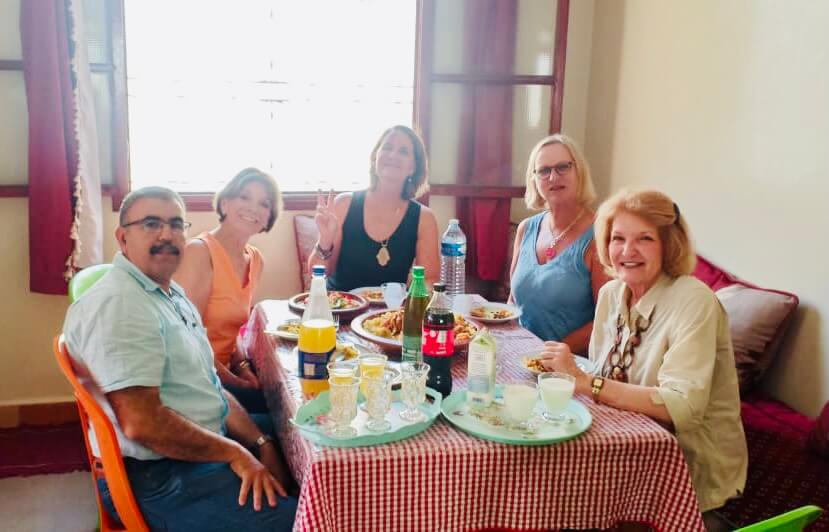
Even in the souks, hospitality shapes the encounter. A shopkeeper who offers you tea and a stool is not simply making a sale — they are extending the same welcome you would receive in a home. Moroccans are generous hosts, and small gestures of reciprocity are appreciated. If you are invited to share a meal, bringing a modest gift such as pastries, fruit, or something from home is a thoughtful touch. Complimenting someone's home or cooking is always welcome, though it is wise to avoid admiring a specific object too enthusiastically, as some hosts may feel obligated to offer it to you.
Food sits at the heart of all of this, and a meal shared with a Moroccan family is often the most memorable moment of a whole journey. If flavor is a priority for you, our companion piece on where and how to eat in Morocco maps out the tables worth traveling for. A little language goes a long way too, and our short primer on how to learn Moroccan Arabic can turn a polite exchange into a genuine connection.
The value of a guideWhy a private tour makes cultural immersion easier
Cultural nuance is hard to absorb from a guidebook alone. The real value of traveling with an experienced, licensed guide is that these conversations happen naturally, before you walk into a situation rather than after. Our guides are not just logistical experts. They are cultural translators who help you connect with Morocco on a deeper level, and they draw on the same warmth and generosity that make this country so distinct — qualities you can see running through Morocco's people and traditions.
Founded by Brahim Jounh, born in Agoudal, a Berber village in Morocco's High Atlas, and now based in Canada, Gateway2Morocco designs 100 percent private journeys around authentic engagement rather than a checklist of landmarks, earning a 4.9-star rating on TripAdvisor across more than 300 reviews. If you would like the practical etiquette laid out in more detail, our visitor's guide to Moroccan customs for North American travelers covers exactly how to give and receive with grace. Our authentic Morocco private tour is built for travelers who want to live these moments, one cup of tea at a time.
A written proposal within 48 hours — no deposit, unlimited revisions.
Begin your journey