• Casablanca Travel Guide: How to Experience the City Like a Local

    Casablanca is Morocco's beating economic heart — a cosmopolitan port city where Art Deco boulevards, Atlantic ocean views, and one of the world's largest mosques sit alongside contemporary dining, rooftop bars, and a fashion‑forward local culture that surprises most first‑time visitors. This Casablanca Travel Guide is built for travelers from the United States who want to experience the city beyond its famous name, with authentic local tips on when to visit, where to go, what to eat, and how to enjoy Casablanca's vibrant nightlife — with expert support from Gateway2Morocco.
    Request Your Custom Morocco Itinerary

Introduction to Casablanca

Casablanca — or "Casa" as locals call it — is Morocco's largest city and its economic engine, home to nearly four million people and a skyline that mixes French colonial grandeur with modern glass towers and iconic Islamic architecture. It is not a medina city in the traditional sense. There is no single ancient quarter to get lost in for days the way you would in Fes or Marrakech. Instead, the city rewards those who understand its neighborhoods: the Art Deco center, the organized calm of the Habous Quarter, the coastal energy of Ain Diab, and the everyday bustle of places like Maarif and Gauthier where Casablancans actually live their lives.

For Americans arriving in Morocco for the first time, Casablanca is often the gateway — Mohammed V International Airport connects directly from several US hubs. Many travelers rush through to Marrakech or Fes without giving Casa a real chance. Those who stay even two or three nights usually leave wishing they had planned for more. Gateway2Morocco builds Casablanca properly into your Morocco itinerary so the city becomes a highlight rather than a footnote.

Best Time to Visit Casablanca

Spring and Fall — The Sweet Spot

March through May and September through November are when Casablanca is at its best. The Atlantic keeps temperatures moderate — expect comfortable mid-60s to low-80s Fahrenheit — and the city feels alive without being overwhelmed by summer beach crowds. Spring afternoons are ideal for long Corniche walks, café terraces, and open-air dining without needing to plan around heat.

Beach Season on the Corniche

June through August brings Casablanca's beach culture to life. Locals pack the Ain Diab waterfront on weekends, beach clubs fill up by noon, and the city's nightlife stays busy well past midnight. It is livelier than any other season, though midday can get hot. If you want to experience the Corniche the way Casablancans enjoy it — with seafood, cold drinks, and an ocean breeze — early June or early September gives you warm weather with thinner crowds.

Winter — Atmospheric and Underrated

December through February brings mild, occasionally rainy days that give the Art Deco streets and café interiors a moody, cinematic quality. Tourists are few, prices are lower, and you get a genuinely local version of the city. Pack a light jacket and lean into the Parisian-Moroccan café culture that defines winter mornings in Casa.

Casablanca cornich ain diab

Navigating the City Like a Local

Transportation Tips

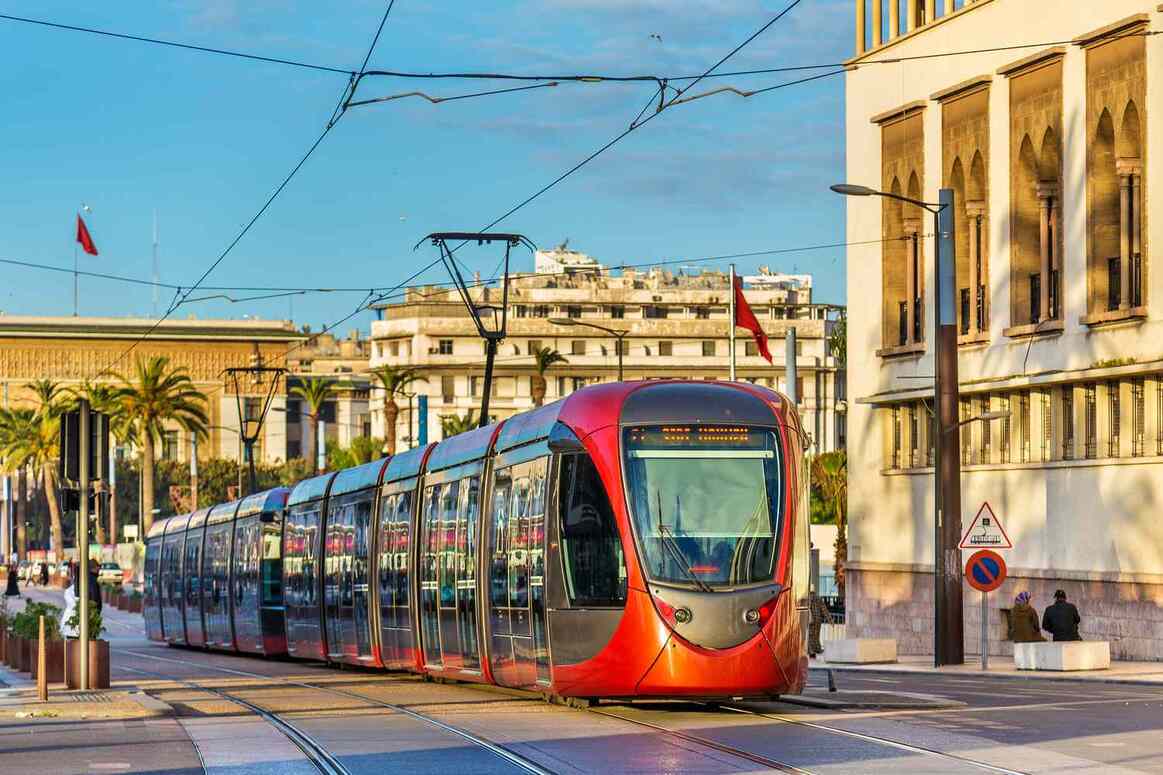
Casablanca is large and spread out, so your feet alone will not carry you everywhere. The modern tram system — Tramway de Casablanca — runs through key neighborhoods including the medina, the city center, and several residential districts, and it is exactly how locals commute. It is clean, affordable, and easy to use even without speaking Arabic or French.

For neighborhoods the tram does not reach — especially the Corniche, Ain Diab, and Morocco Mall — petit taxis are your best option. They are metered, affordable, and widely available. Younger residents increasingly use Careem, the regional ride-hailing app, which shows fixed prices before you confirm a ride. If you are arriving from the airport, the Al Bidaoui Express train connects Mohammed V Airport directly to Casa Port station in around 45 minutes — the fastest and cheapest transfer in the city. Gateway2Morocco can pre-arrange private transfers if you prefer a seamless start, especially when continuing onward to Marrakech or Fes.

Understanding the Layout

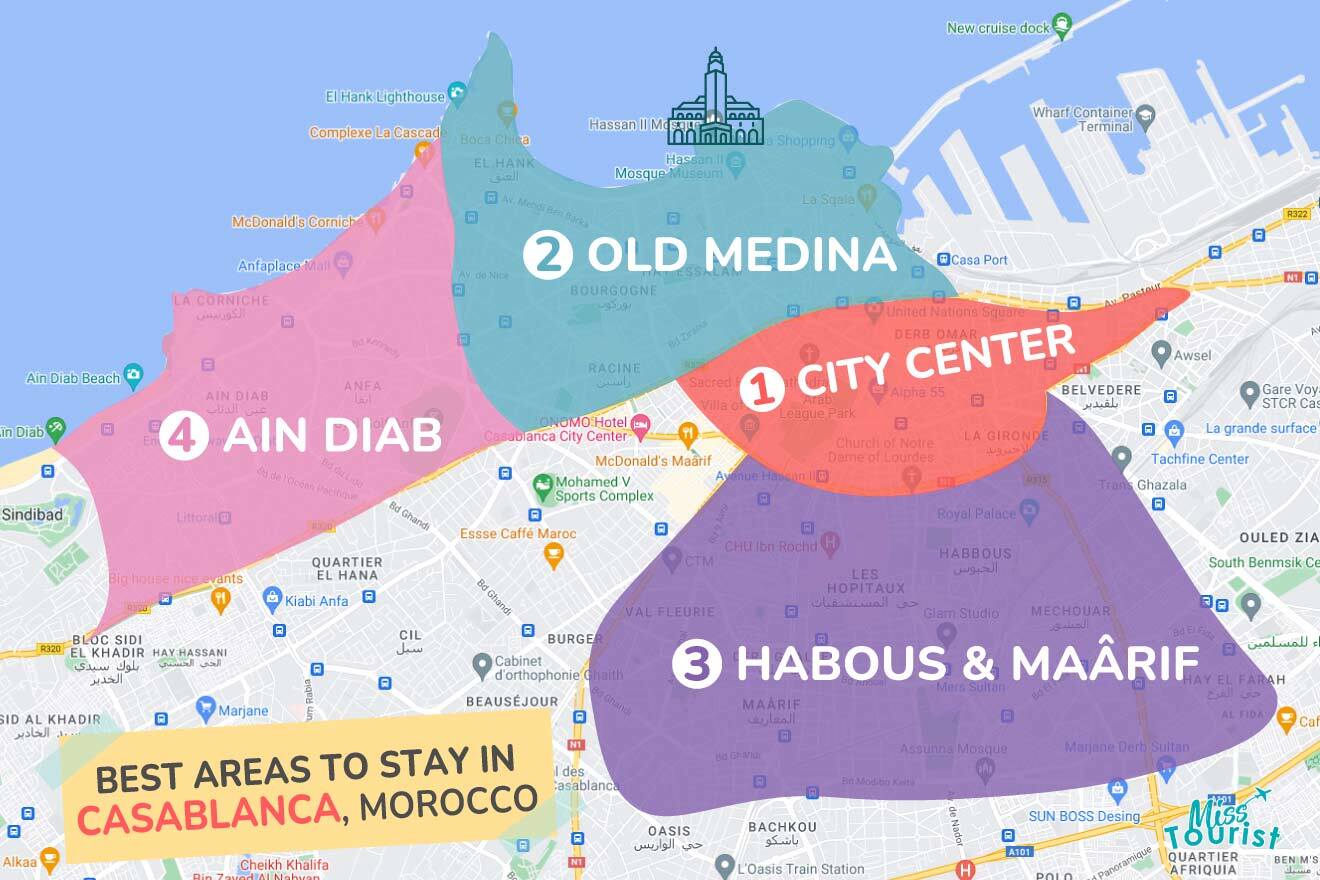
Think of Casablanca in four distinct zones. The Art Deco city center, anchored by Mohammed V Square and Boulevard Mohammed V, is where you come for history, architecture, and culture. The Habous Quarter, just south, is a planned "new medina" built during the French Protectorate — beautiful, organized, and great for shopping and pastries. The Old Medina near the port is smaller and less touristy than those of Marrakech or Fes, but authentic and worth an hour or two.

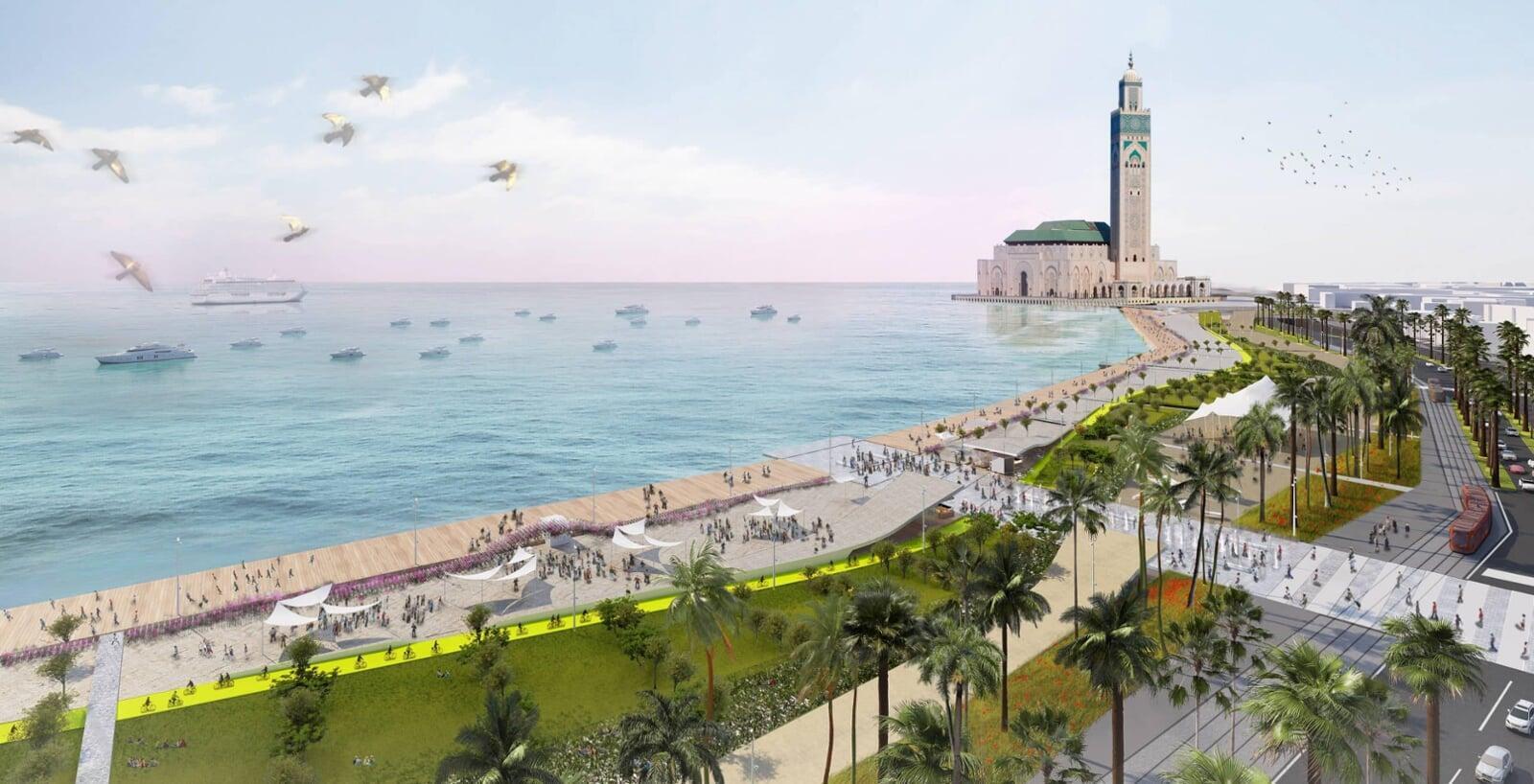
Then there is the coastal strip: the Corniche and Ain Diab running northwest from Hassan II Mosque, where you find beach clubs, rooftop restaurants, and most of the city's nightlife. Learning to move between these four zones — center for culture, Habous for markets, Corniche for evenings — is how you start to feel the city rather than just visit it.

Casablanca_city_map

Navigating the City Like a Local

Explore the Hassan II Mosque and City Center

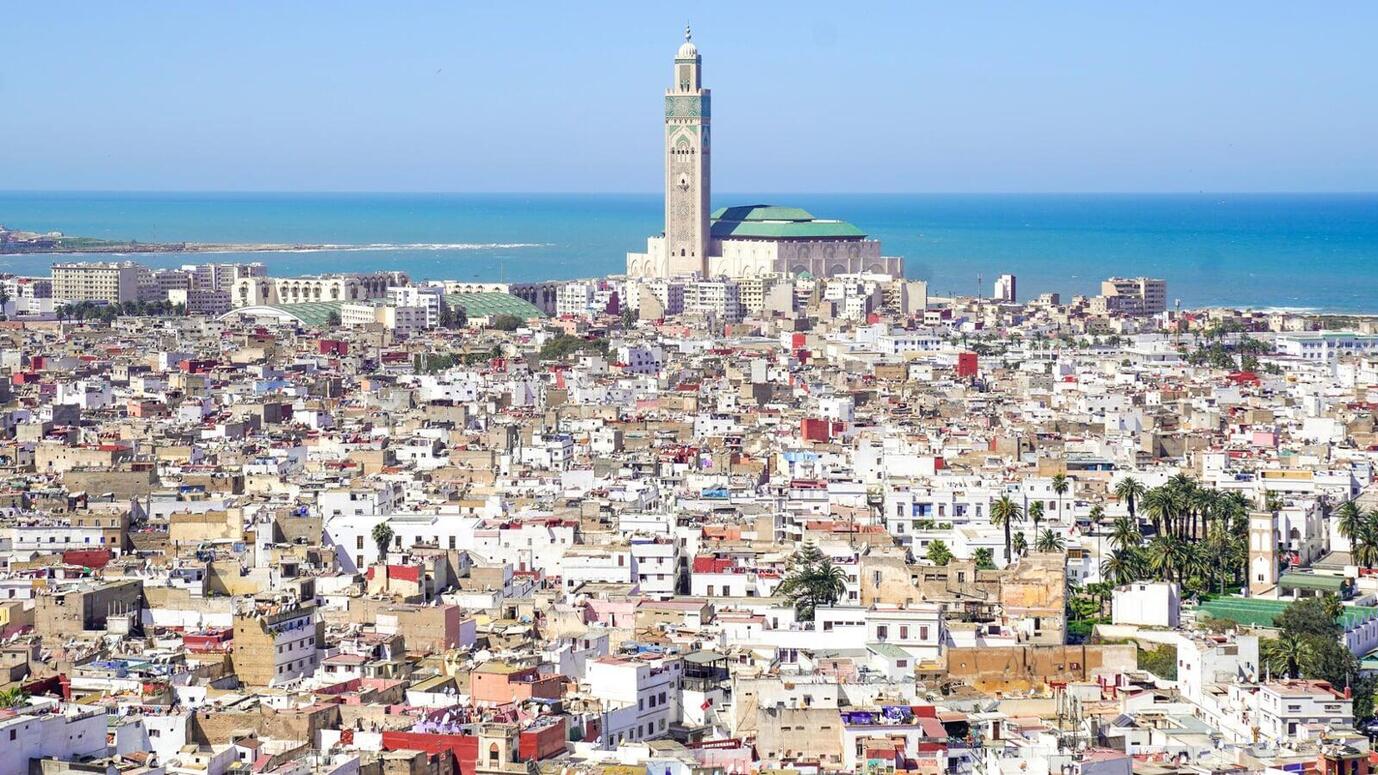
The Hassan II Mosque is one of the most extraordinary buildings in the world, and saying that is not an exaggeration. Built partly over the Atlantic Ocean, it holds up to 25,000 worshippers inside and another 80,000 in its outer courtyards. One of the very few mosques in Morocco open to non-Muslim visitors, guided tours take you inside to see the hand-carved cedarwood ceilings, Italian marble floors, heated floors, and a retractable roof that opens to the sky above the prayer hall. Come at sunrise or late afternoon when the ocean light turns golden behind the minaret.

From the mosque, head to Mohammed V Square — Casablanca's civic heart — where Art Deco buildings, a central fountain, and the Palace of Justice create a square that feels like a quietly elegant European city dropped into North Africa. Nearby, Notre-Dame de Lourdes Cathedral is a 1950s modernist masterpiece with stunning floor-to-ceiling stained glass that most visitors walk past without knowing it is open. Gateway2Morocco organizes private guided city center walks that connect all of these sites with the historical and architectural context that makes them come alive.

Visit Local Markets and Souks

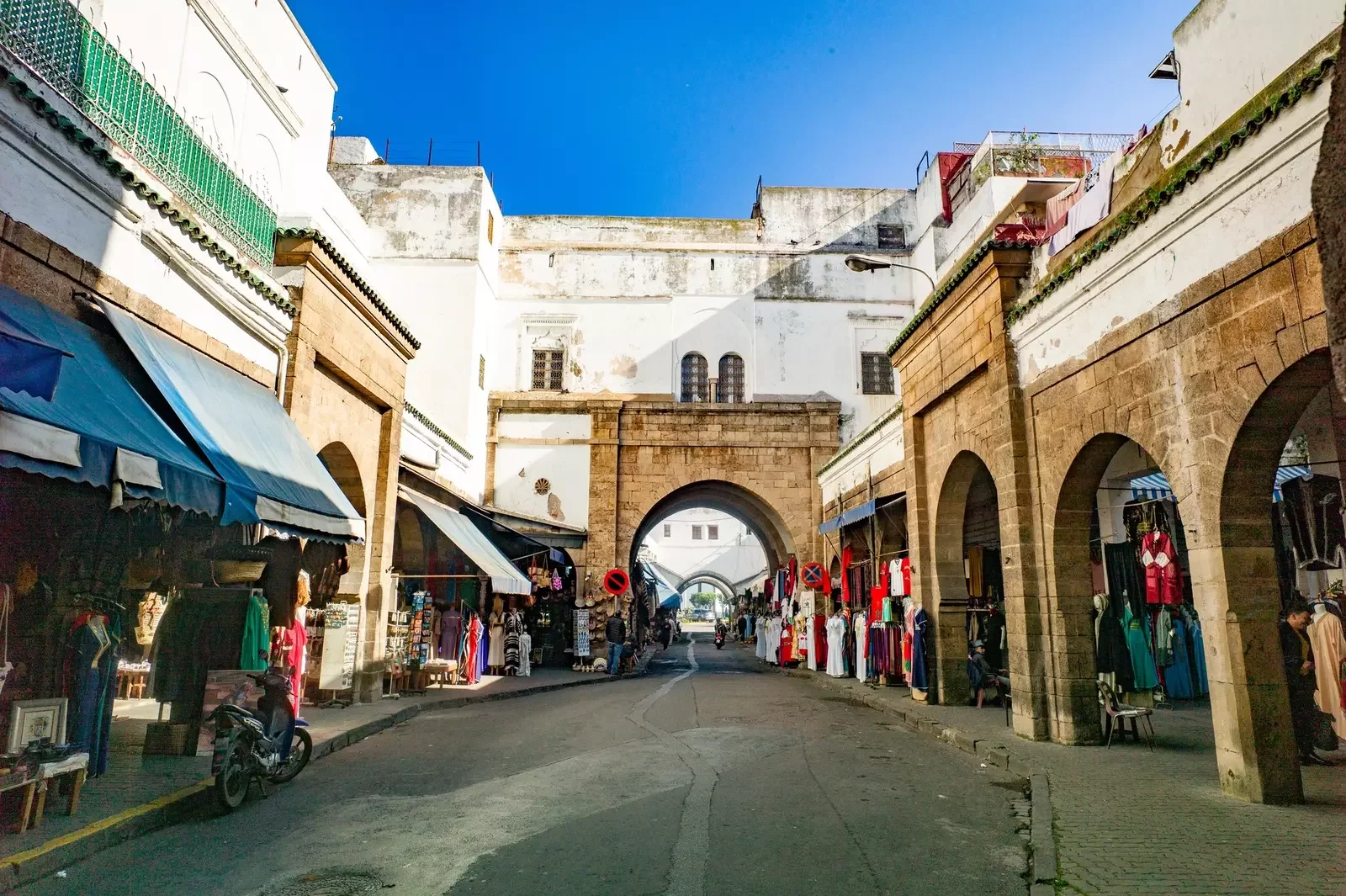
The Habous Quarter is where most visitors to Casablanca should start their market experience. Unlike the high-pressure intensity of souks in Marrakech or Fes, shopping here is relaxed. Streets are organized, vendors are friendly without being aggressive, and the architecture — Moroccan arches and carved plaster set within a French urban grid — makes browsing genuinely pleasurable. Look for argan oil, handmade leather babouches, ceramics, and Moroccan spices, then stop at Pâtisserie Bennis for the best traditional Moroccan pastries in the city. Locals bring boxes of these as gifts when visiting family — that tells you everything you need to know about the quality.

The Old Medina offers a more raw experience: narrow lanes, everyday markets, fabric shops, and street food that serves the neighborhood rather than tourists. The Central Market in the city center is essential for anyone interested in food — fresh fish from the Atlantic, seasonal produce, spices, and flowers fill a beautiful covered hall that is busiest and most impressive in the morning.

Habous Quarter Casablanca

Cultural Experiences

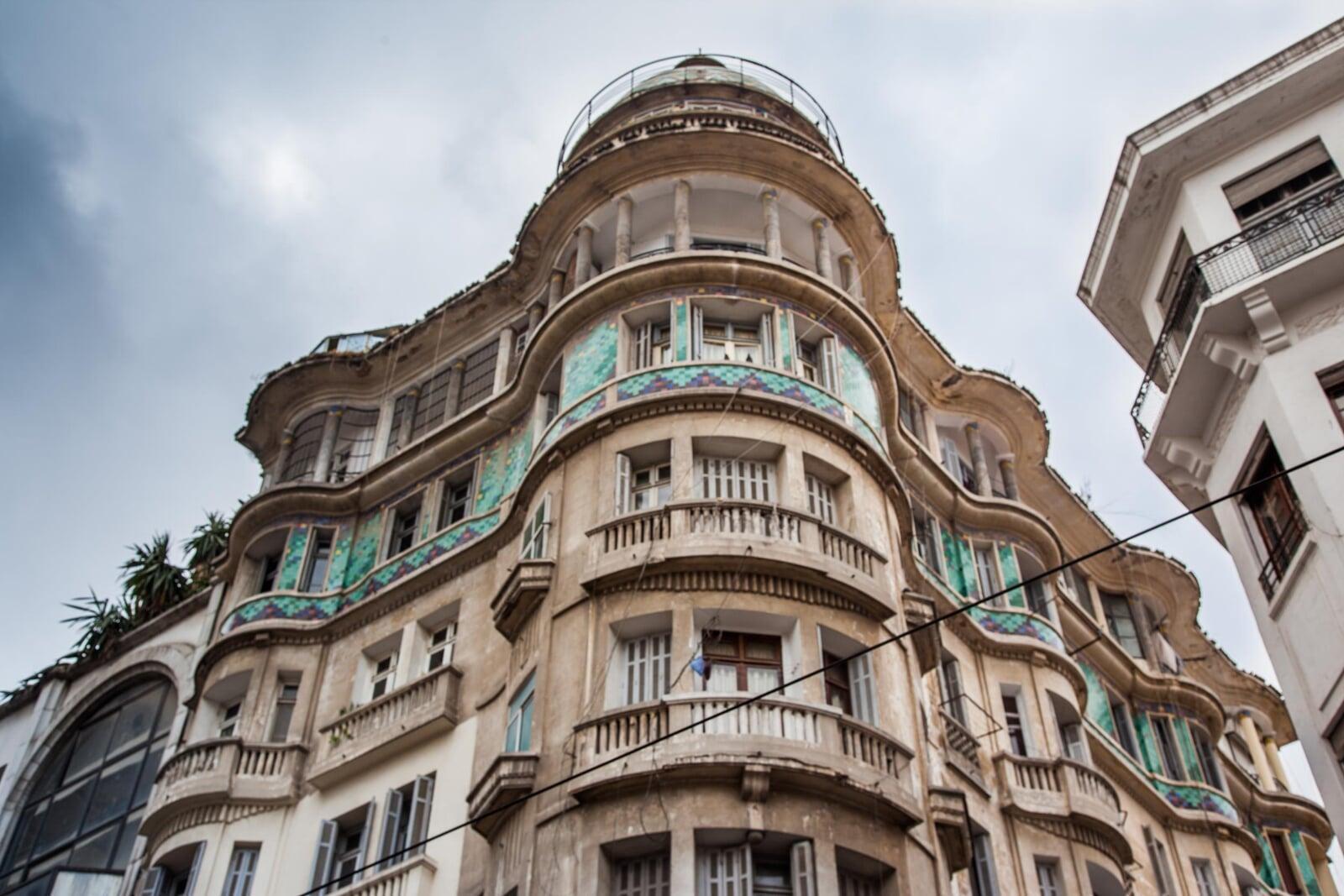
Casablanca's Art Deco district is one of the finest collections of early 20th-century architecture outside of Miami or Napier, and walking it slowly with even a basic understanding of its history transforms what looks like "just old buildings" into a deeply compelling urban story. The Abderrahman Slaoui Foundation Museum, inside a restored Art Deco villa, houses vintage Moroccan travel posters, decorative arts, and objects that trace the colonial and creative history of modern Morocco — one of the most undervisited museums in the country.

Do not miss the Museum of Moroccan Judaism in the Oasis neighborhood — the only Jewish museum in the Arab world, documenting a community whose presence in Morocco stretches back over 2,000 years. It is moving, beautifully curated, and completely off the radar of most visitors. Gateway2Morocco can build a cultural half-day around these sites, including an architectural walk with a local guide who knows the stories behind the façades.

Casablanca's Art Deco

Hidden Gems Off the Beaten Path

The El Hank Lighthouse at the southwestern tip of the city is where locals come to walk along the rocky Atlantic coastline on weekend mornings, with views that stretch endlessly across open ocean. There are no ticket booths, no tour groups, and no souvenir stalls — just the sea, the wind, and a handful of Casablancans enjoying a quiet morning away from the city's noise.

Arab League Park in the heart of the city is another local escape: a large shaded garden where office workers eat lunch on benches, joggers do evening laps, and families spread out on Sunday afternoons. Rick's Café, inspired by the 1942 film, is technically a tourist landmark, but its beautifully restored Moorish courtyard, live piano nightly, and genuinely good cocktails make it worth a visit — especially as local professionals actually use it for business dinners and celebrations. Gateway2Morocco can add day trips to El Jadida, Azemmour, or Rabat, all within easy reach of Casablanca by train or private car.

Arab League Park

Best Restaurants in Casablanca

Traditional Moroccan Cuisine

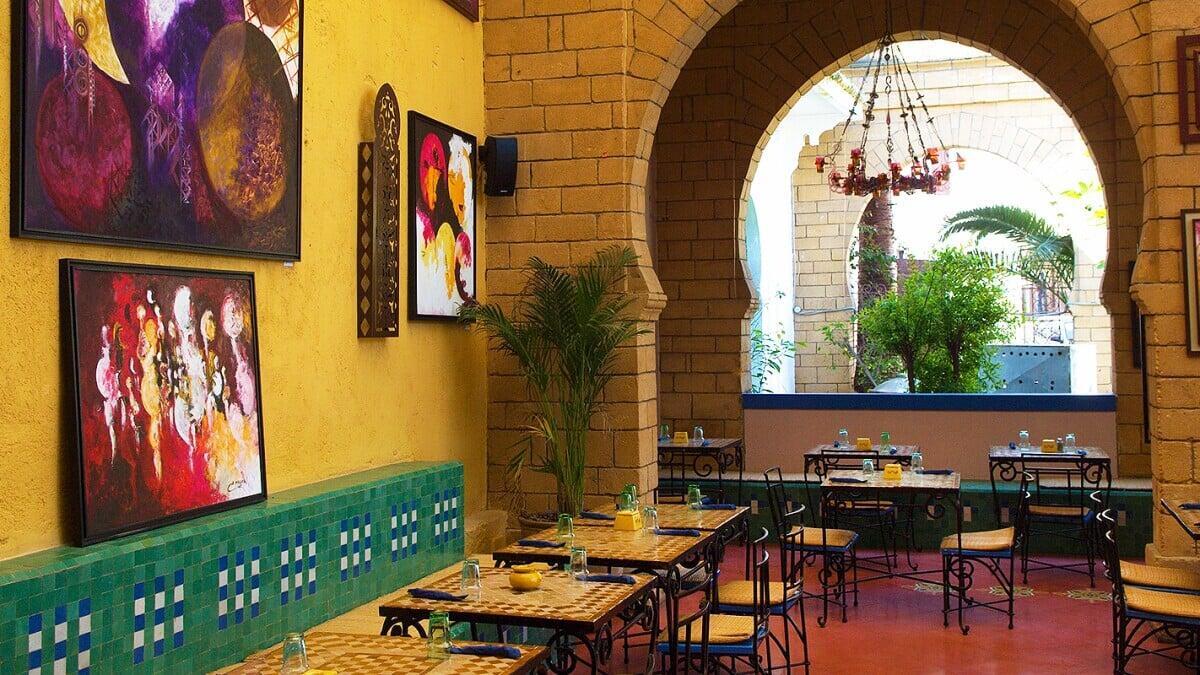
La Sqala is the place in Casablanca for traditional Moroccan cuisine, and it has been for decades. Set inside restored 18th-century ramparts near the port, its garden courtyard is one of the most beautiful dining settings in Morocco. The pastilla — a flaky pastry filled with pigeon or chicken, almonds, and powdered sugar — is exceptional, and the Friday couscous draws locals who treat it as a weekly ritual the way many Moroccans do at home. Come for lunch when the garden fills with natural light and the city quiets around it.

For elevated Moroccan dining in a more modern setting, several restaurants in the Gauthier and Maarif neighborhoods serve refined versions of tagines, briouates, and couscous alongside Moroccan wines and contemporary presentation. These are where Casablancan professionals take clients and out-of-town guests when they want to show the best of what the city's food culture can offer.

La Sqala Casablanca

Local Favorites

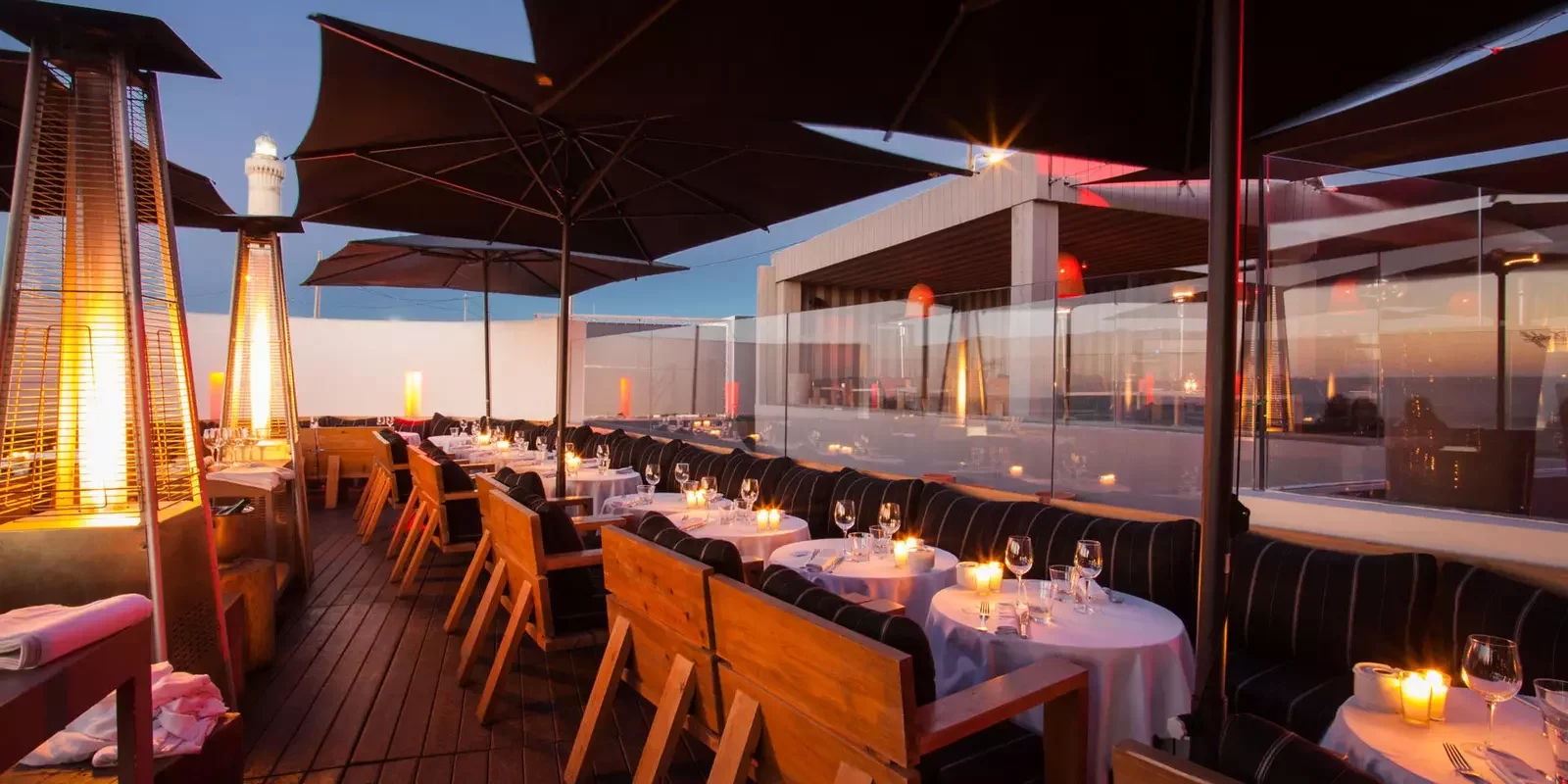
Le Cabestan on the Corniche is a Casablanca institution — a Mediterranean-Moroccan restaurant with a terrace that hangs over the Atlantic, serving fresh oysters from Dakhla, grilled fish, and tapas-style sharing plates to the kind of crowd that clearly comes here regularly. It is stylish without being pretentious, and the combination of ocean views, well-made food, and a genuinely lively atmosphere makes it one of the best restaurant experiences in Morocco, not just Casablanca.

For everyday local eating, Boulevard Zerktouni and the Maarif district are where you should go — grill restaurants, juice bars, sandwich spots, and neighborhood Moroccan eateries where a full lunch costs next to nothing and the food is honest, well-seasoned, and freshly made. Look for handwritten menus and a line of locals waiting at the door. That combination never lies. Gateway2Morocco keeps a running list of trusted addresses across all price points that we share with every traveler who asks.

Le Cabestan on the Corniche Casablanca

Must-Visit Food Markets

The Central Market is Casablanca's culinary anchor, and a morning visit is one of the best free experiences in the city. The fish hall alone — piled high with Atlantic tuna, sea bass, shrimp, clams, and fresh sardines — gives you an immediate sense of how seriously this city takes its seafood. Several small restaurants just outside the market buy their ingredients here daily, which means that a simple grilled fish lunch in the area will often be fresher and better than what you would pay three times as much for at a Corniche restaurant.

Pâtisserie Bennis in the Habous Quarter deserves its legendary status. The almond briouates, gazelle horn cookies, and sesame-coated sweets here are made using family recipes that have not changed in generations. Locals queue for boxes to bring as gifts for Eid, weddings, and family visits — and once you taste one, you will understand immediately why.

Pâtisserie Bennis in the Habous Quarter

Dining Experiences in the City and on the Corniche

Casablanca trades Marrakech's rooftop medina dinners for something equally memorable: sunset dining over the Atlantic. The Corniche strip in Ain Diab lines up restaurants and terraces facing open ocean, and arriving around 6:30 PM to watch the sun drop into the water while the city lights start to glow behind you is one of those travel moments you replay long after the trip is over.

Rick's Café earns its place on the list not because of the film connection but because of the experience itself — a candlelit piano bar in a Moorish courtyard, well-made cocktails, a menu that combines Moroccan and international dishes, and a reliably warm atmosphere that manages to feel local despite its fame. Go for a drink and stay for dinner.

Rick's Café Casablanca

Marrakech Nightlife

Local Bars and Lounges

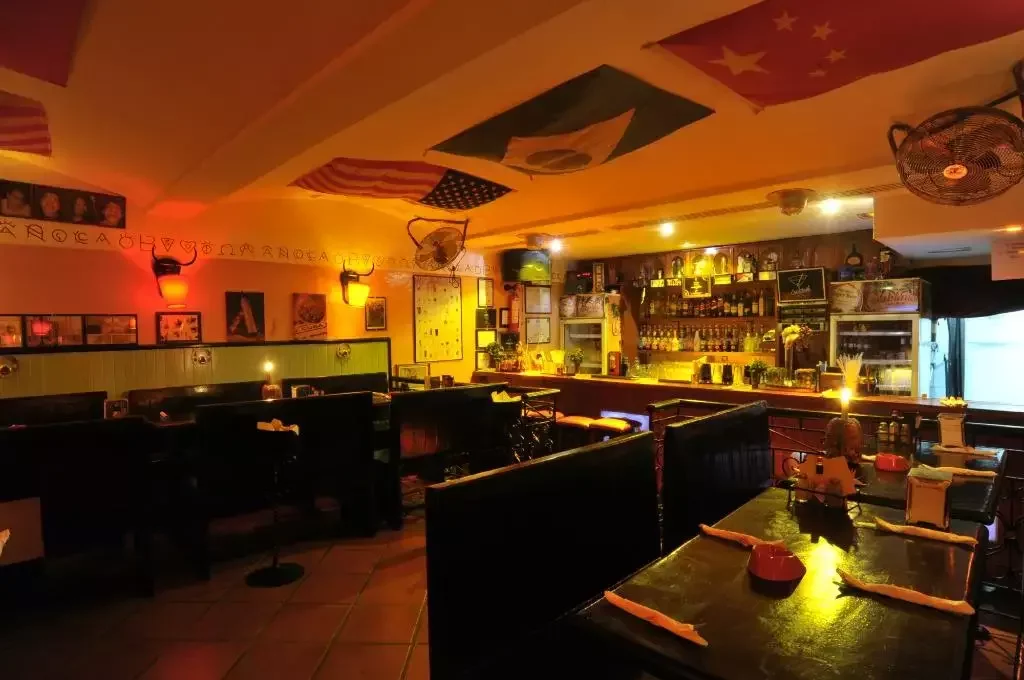
La Bodega on Boulevard Mohammed V is the kind of bar that cities like Casablanca do particularly well — a warm, brick-walled tapas bar and jazz club where Andalusian-inspired food, a serious wine list, and live jazz on Tuesday nights create an evening that feels completely at ease with itself. It draws a local crowd of professionals, musicians, and artists who have been coming for years. For most visitors, it becomes an immediate favorite.

Sky 28 at the top of the Kenzi Tower is the city's most dramatic after-work destination: a 360-degree rooftop bar at one of Africa's highest vantage points, with views stretching across the Atlantic on clear evenings. It attracts Casablanca's business and fashion crowd for cocktails and a scene that is sophisticated without being exclusive. Dress smartly — Casablanca nightlife has standards that reflect how seriously locals take their evenings out.

La Bodega on Boulevard Mohammed V

Cultural Performances and Events

Casablanca has the most active cultural calendar in Morocco. The city's theaters, galleries, and cultural foundations host international concerts, contemporary art exhibitions, fashion events, and film screenings throughout the year. If your dates align with a major event, Gateway2Morocco can help you get access and logistics sorted in advance.

For more intimate live music, bars and restaurants in Gauthier and near the Corniche regularly host jazz nights, acoustic sets, and DJ evenings that attract Casablanca's creative and younger professional crowd. Gnawa and Andalusian music appear at cultural center events and private riad dinners, adding depth to a nightlife scene that is often misunderstood as purely Westernized.

Best Late-Night Spots

Le Petit Rocher on the Corniche is the kind of place that becomes the default answer to "where should we go tonight?" — a waterfront venue combining ocean views, live music, fresh seafood, and a dance floor that fills up properly after 11 PM. It is energetic, well-run, and consistently draws a crowd of locals who genuinely enjoy being there rather than just being seen.

Crystal Beach Club in Ain Diab is the summer late-night destination, with DJ nights, poolside events, and a fashionable crowd that keeps going until the Atlantic starts to turn light. For a quieter end to the evening, Rick's piano bar stays open late and offers one of the city's most atmospheric nightcaps. And if you want to do what many Casablancans do on a Friday night — find a corner table at a neighborhood café in Maarif, order espresso or tea, and let the conversation run until well past midnight — that option is always available, costs almost nothing, and often turns out to be the best part of the night.

Conclusion: Embrace Casablanca's Two Worlds

Casablanca works best when you stop trying to fit it into the version of Morocco you already had in your head. It is not Marrakech. It is not a postcard. It is a real, ambitious, ocean-facing city that takes its food, its architecture, its culture, and its nights out seriously — and it rewards travelers who show up willing to engage with it on those terms. Start your mornings with espresso and msemen at a corner café, spend your afternoons in the Habous Quarter and the Art Deco center, and give your evenings to the Corniche. Gateway2Morocco is here to make sure every day in Casablanca — and every city beyond it — is exactly what it should be.

×