Synagogue and museum · Casablanca old medina
Ettedgui Synagogue and El Mellah Museum, Casablanca
The Ettedgui Synagogue is the main Jewish heritage stop inside Casablanca’s old medina. Built by the Ettedgui family during the French protectorate, wrecked in the Allied bombardment of November 1942 and left derelict for decades, it was rebuilt and rededicated in December 2016 together with the El Mellah Museum in the rooms beside it. A visit is short and quiet: a bare prayer hall, a plaque marking the royal visit, and photographs of the city’s Jewish past.
The story
The Ettedgui family came from the Todgha (Toudgha) region in the south-east and settled in Casablanca in the late 19th century. This was the second synagogue the family built in the medina. Sources disagree on when it went up: one gives 1935, another the 1920s. The architect is recorded as Georges Buan.
At the time many Jewish families were moving from the crowded medina to apartments in the new city. In November 1942, during the Allied landings and the naval battle of Casablanca, Ettedgui was hit in the bombardment. Some sources say it was destroyed, others that it was partly destroyed. Either way it stood in ruins for more than fifty years.
Its revival came with the programme to rehabilitate Casablanca’s old medina. A 2015 tender made it the first of the city’s synagogues slated for work, and the rebuilding ran from about 2010–11 to 2016, in cooperation with the Foundation for Judeo-Moroccan Cultural Heritage. The government grant was reported at about US$844,000. King Mohammed VI attended the rededication on Friday 16 December 2016, the same day he opened other restored sites in the medina.
Inside the synagogue and museum
Do not expect a richly furnished interior. A January 2026 academic study of Jewish heritage in the medina describes the prayer-hall walls as almost completely bare. The Torah scrolls are still kept in the heikhal, the holy ark, but there is no seating for men or women, no prayer books and no kippot for visitors, and the study concludes that services are no longer held. Some older listings still describe Ettedgui as an active synagogue; today it works as a restored heritage building.
A plaque commemorates the king’s 2016 visit. The El Mellah Museum fills the rooms and former offices next to the prayer hall. Its displays are mainly photographs, many lent by the Museum of Moroccan Judaism, tracing Jewish life in Casablanca and in Morocco. One shows an undated visit by King Mohammed V to Jewish youth groups. It is a small exhibition and works best as an introduction before you walk the rest of the medina.
Visiting today
The building is run as a heritage site. The 2026 study reports a ticket of 50 dirhams (about €5) covering the synagogue and the museum; one older listing describes entry as free, so expect to pay. Opening hours are not published. The gate is usually kept closed and security staff patrol the perimeter: an agent lets visitors in and often asks for identification, so carry your passport.
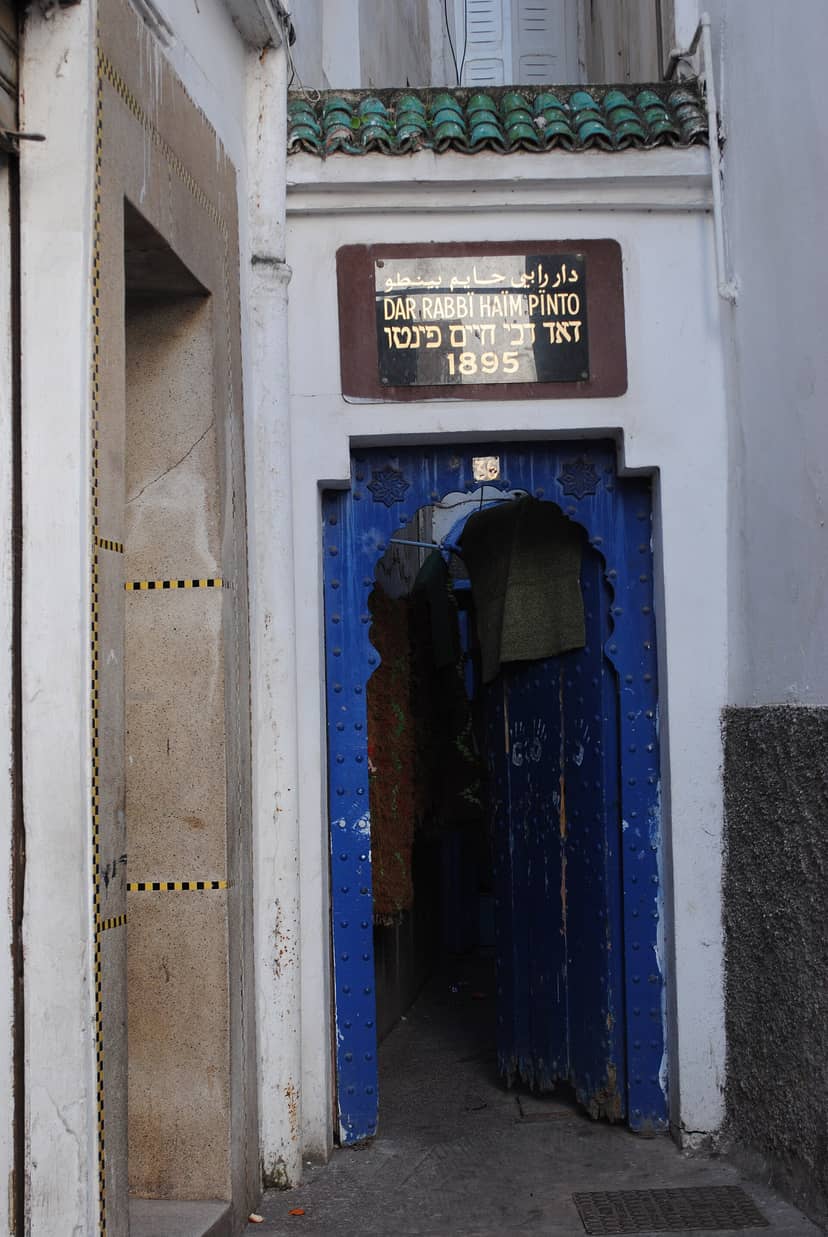
We usually pair Ettedgui with the House of Rabbi Haim Pinto, a few minutes’ walk away, with a guide who can show where the old mellah stood. We confirm current hours locally when we plan your trip.
Etiquette
Although regular services are no longer held, the Torah scrolls remain in the ark. Dress modestly, with shoulders and knees covered. Men may wish to bring their own kippah, since none are provided. Ask before photographing staff or other visitors, and do not photograph the security arrangements at the gate.
Nearby in the medina
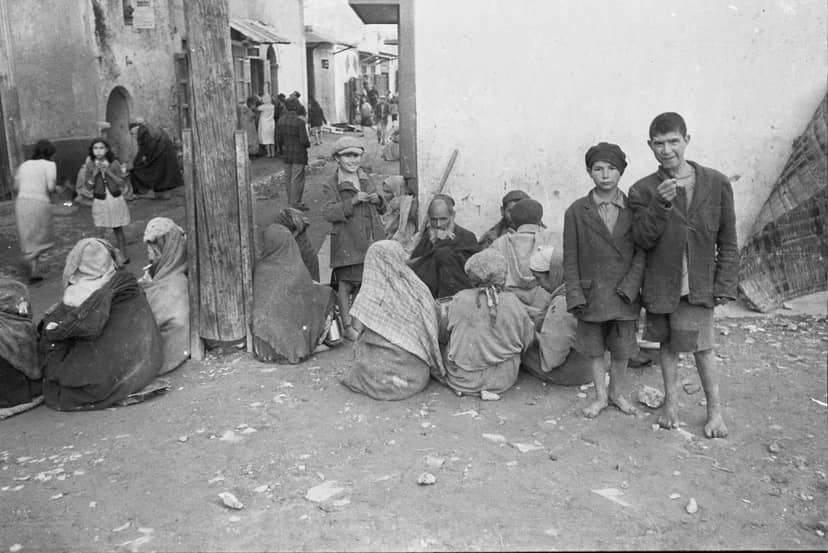
The House of Rabbi Haim Pinto, where pilgrims still light candles, is the medina’s other essential Jewish stop. The Old Jewish Cemetery adjoins the medina, and the Mellah of Casablanca page explains how most of the historic Jewish quarter disappeared. For the full story, continue by taxi to the Museum of Moroccan Judaism in the Oasis district. Our Casablanca Jewish heritage guide puts these sites in order for a one- or two-day visit.
Ettedgui Synagogue & El Mellah Museum: questions travellers ask
Is the Ettedgui Synagogue still used for prayer?
A January 2026 academic study found no seating, prayer books or services and describes it as a heritage site. Some listings still call it active, so if you hope to pray there, we check with the community first.
Can non-Jews visit?
Yes. It is open to visitors of any background with a ticket, after a security check at the gate.
Is it open on Saturday?
Opening days and hours are not published. Since entry involves buying a ticket, Shabbat-observant travellers should plan a weekday visit, and we confirm current hours locally.
How is the El Mellah Museum different from the Museum of Moroccan Judaism?
The El Mellah Museum is a small photographic exhibition beside the synagogue. The Museum of Moroccan Judaism in the Oasis district has a far larger collection of ritual objects, costumes and reconstructed synagogue interiors, and deserves its own visit.
Sources. Religions journal (Chiara Lutteri, January 2026); Times of Israel/JTA (2016); Wikipedia; Mrrakc; Bladi.net (2015). Researched and fact-checked by Gateway2Morocco, October 2026. Access to religious sites changes; we confirm every visit when we plan your trip.