History
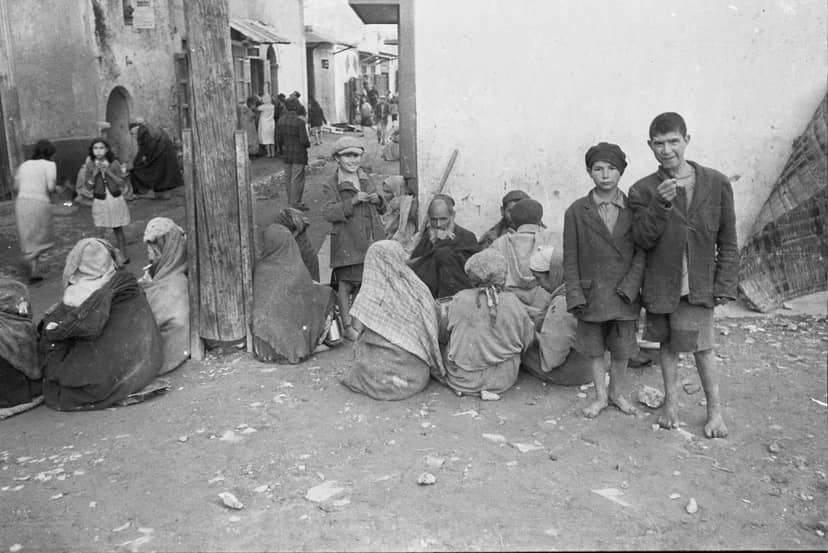
The cemetery adjoins the old medina near the city centre and covers about 2.8 hectares. Its founding date is not documented; one listing suggests the 19th century or earlier, when Casablanca’s Jewish community grew from a few families in the 1830s to about 5,000 people by 1910. Burials stopped in 1947, when concessions for Jewish burials were granted at Ben M’Sik on the city’s eastern side.
Headstones are inscribed in Hebrew, French and Spanish, the languages of the community’s religious, colonial-era and Sephardic worlds.
Condition
Reports over the past two decades have been mixed. In 2002 one visitor found the cemetery quiet, with well-kept white markers, while another described broken stones and barely legible inscriptions. A 2005 academic study described household waste thrown over the walls, marble stolen from tombs and a road project, the Avenue Royale, planned across its land. We have not found a more recent condition report, so we check the current state before including it in a trip.
Finding a family grave
One heritage database reports that preservation work has logged the names of those buried in a Casablanca Jewish cemetery, but its description appears to mix this site with Ben M’Sik, so we ask the community what records exist for this cemetery. Send us names, approximate dates and any family photographs of the stone before you travel, and we pass them to the community before you arrive. Some stones have been damaged or lost over the years, so we cannot promise every grave can be found. Our Jewish roots trip guide explains how we prepare.
Who is buried here
Accounts differ on the notable graves. Some listings place the tomb of Rabbi Eliyahu HaCohen, revered as Casablanca’s “master of the city”, here, but detailed reports of his reburial in the 1960s put his mausoleum at Ben M’Sik. Another listing names a Rabbi Eliahou Elbaz here, possibly a different person. Ask the guardian to show you what is known.
Visiting respectfully
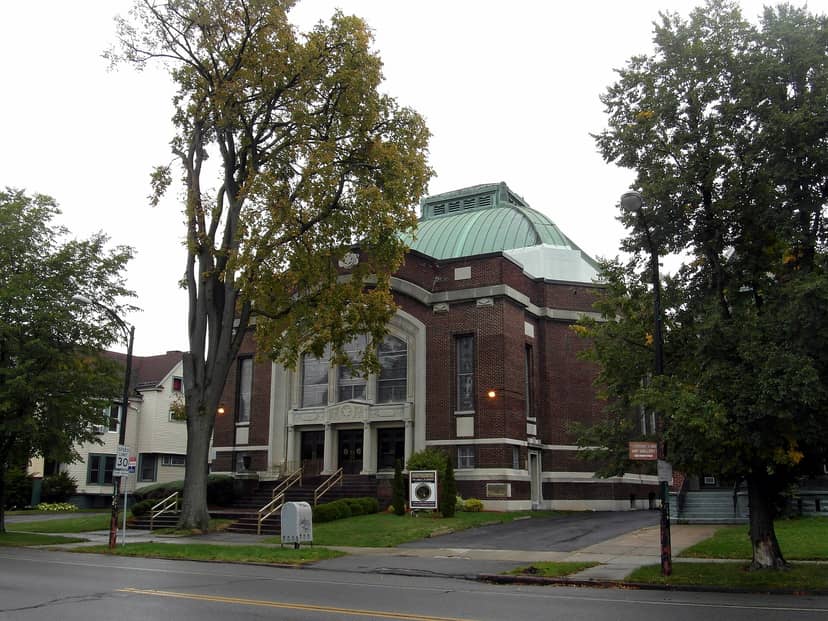
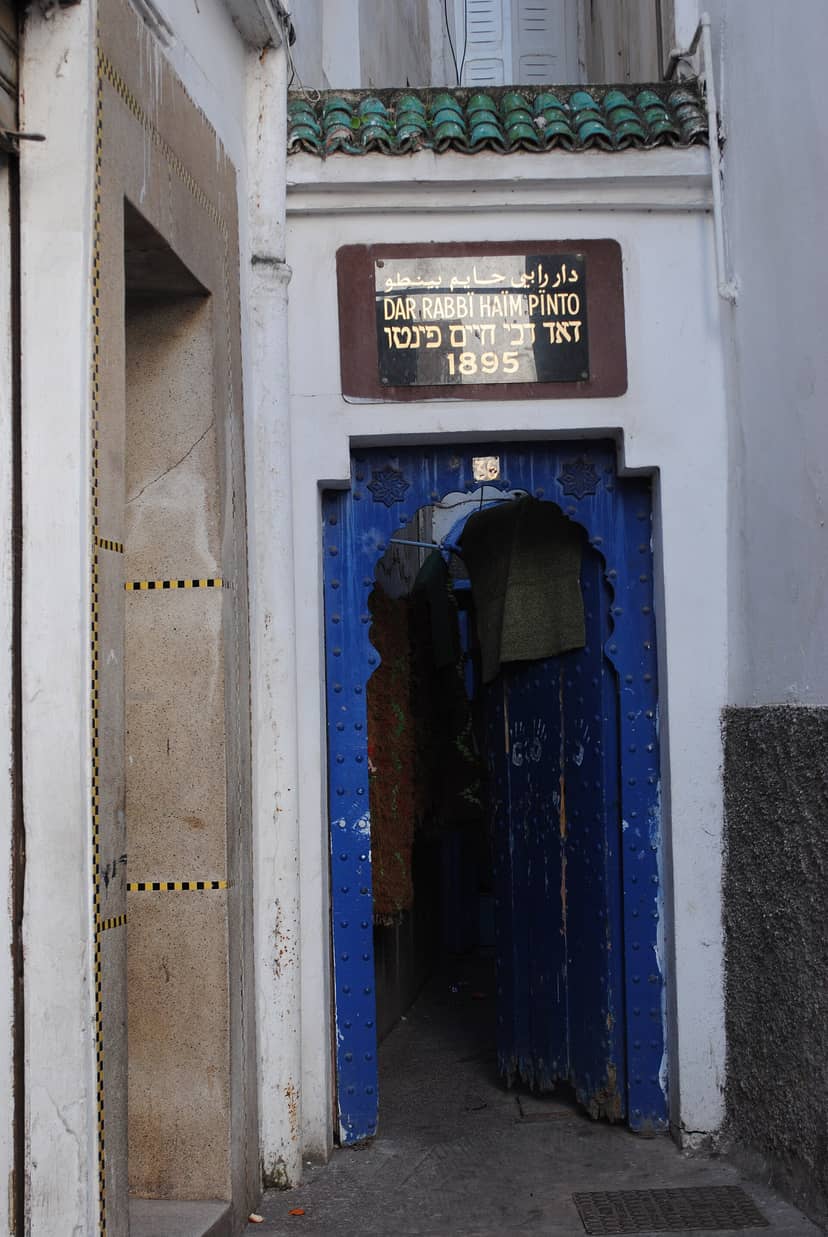
Visits are arranged in advance through community contacts or the guardian; access is in daytime and often supervised. Dress modestly, stay on the paths, never step on graves, and tip the guardian. Kohanim (men of priestly descent) traditionally avoid cemeteries. Plan a weekday, as Jewish custom avoids cemetery visits on Shabbat and festivals. The Ettedgui Synagogue and the House of Rabbi Haim Pinto are both in the medina next door.
Old Jewish Cemetery of Casablanca: questions travellers ask
Are burials still made in the old cemetery?
No. Burials stopped in 1947, and later burials are at Ben M’Sik.
Can I just walk in?
It is best not to. Visits are arranged in advance with the guardian or the community, which we organise for you.
Can you find my ancestor’s grave?
We ask the community to check what burial records exist before you travel. Some stones are damaged or lost, so we cannot guarantee a result.
Sources. EspacesTemps.net (Marie-Pierre Anglade, 2005); Diarna; International Jewish Cemetery Project (JewishGen); Mrrakc; Yabiladi (2019). Researched and fact-checked by Gateway2Morocco, October 2026. Access to religious sites changes; we confirm every visit when we plan your trip.