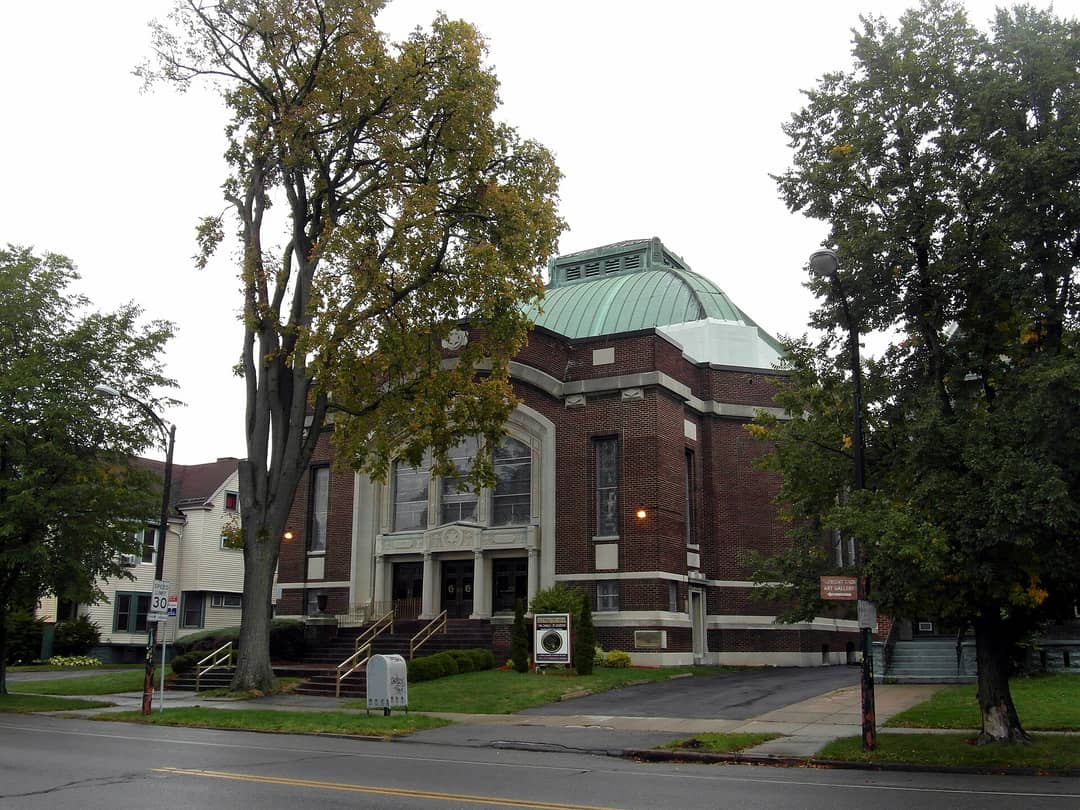
Synagogue · Casablanca city centre
Temple Beth-El Synagogue, Casablanca
Temple Beth-El is often described as the centrepiece of Casablanca’s Jewish community, and it is one of the city’s most active synagogues. Completed in 1949 and still known as the “Algerian Temple”, it seats about 500 and is admired for stained-glass windows inspired by Marc Chagall. It is a working house of prayer, so visits are arranged in advance and pass through a security check.
The story
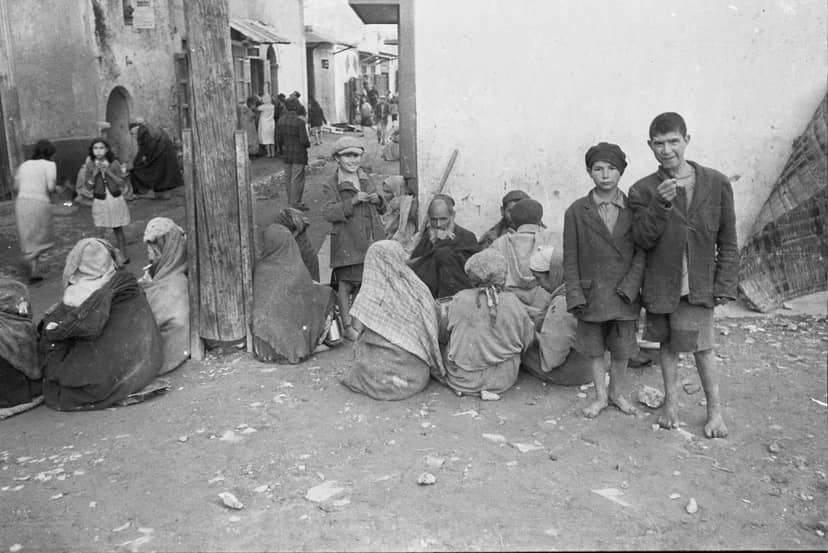
Beth-El means “House of God” in Hebrew. The synagogue was established by Jews of Algerian origin who had settled in Casablanca, which is why it is still called the Algerian Temple, and it was completed in 1949. Its timing tells the story of the city. In 1952 Casablanca counted 74,783 Jewish residents out of roughly 680,000 people, and many families had moved from the old medina into apartments in the new districts, where Beth-El stands.
The congregation follows the Orthodox Nusach Sefard rite. In the 1960s and 1970s a mixed choir led by Maurice Bengio sang here at weddings and on some holidays. The building was completely refurbished in 1997.
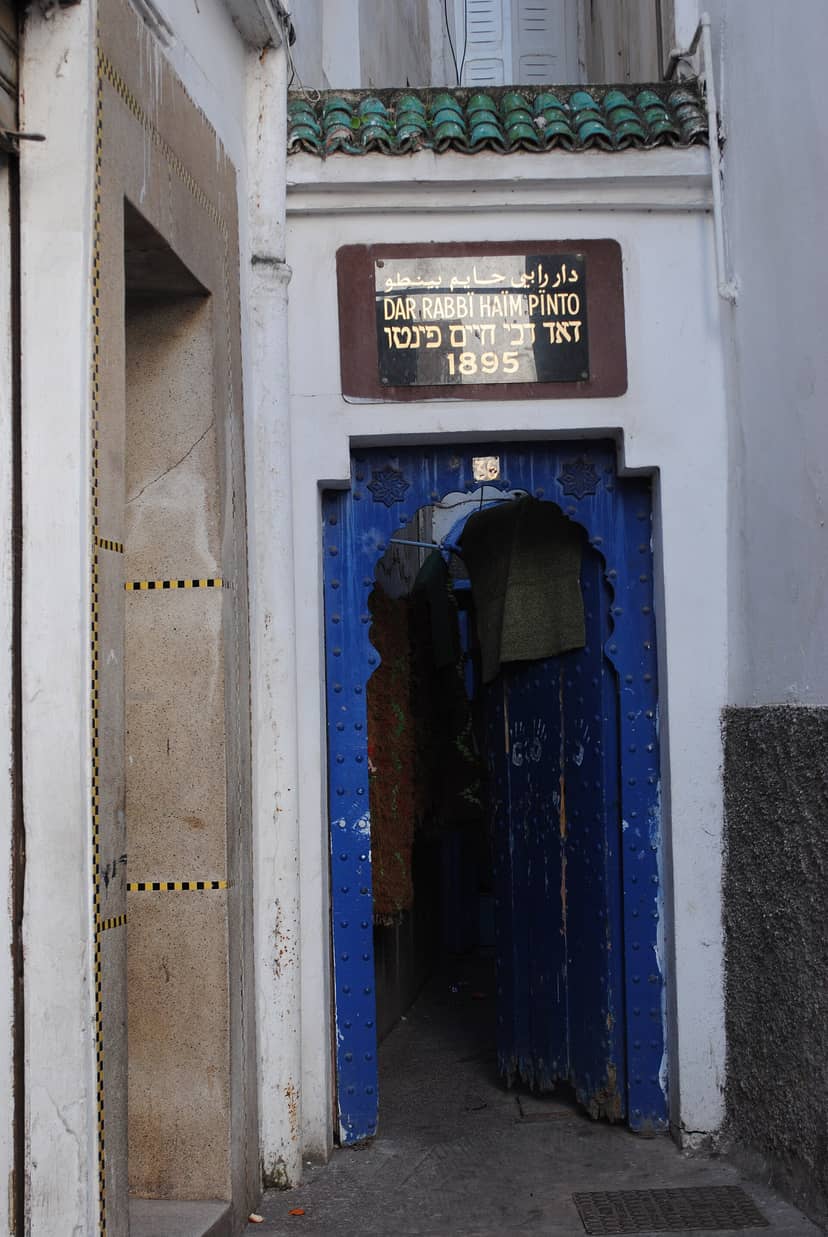
Beth-El remains a centre of community life. A January 2026 study of Casablanca’s Jewish heritage describes it as one of the most active synagogues in the city, and records that money to restore the House of Rabbi Haim Pinto in the medina was collected among its congregants. Casablanca had more than 80 synagogues in the 20th century; many have closed, and Beth-El is among those still in regular use, which is why heritage itineraries planned for 2026 still describe it as an active Jewish centre.
Inside the synagogue
The prayer hall holds about 500 worshippers. The stained glass is what draws most visitors: windows inspired by the work of Marc Chagall, set among other decorative features that have made the building a regular stop for heritage groups.
Your guide will point out the heikhal, the ark where the Torah scrolls are kept, and the tevah, the raised reading desk (called the bimah in many communities) from which the Torah is read. As in other Orthodox synagogues, men and women sit separately during services.
Visiting today
Beth-El is a working synagogue with no published visiting hours. Weekday visits are normally arranged through a guide or through the community, and everyone passes a security check at the door, so bring your passport. It does not open for sightseeing on Shabbat or Jewish holidays.
Praying here is another matter. Visiting groups do join the congregation for Kabbalat Shabbat, the Friday-evening service that welcomes the Sabbath; a US congregation’s December 2025 Morocco itinerary includes it, for example. If you would like to attend a Friday-night or Saturday-morning service, we coordinate with the community in advance, choose a hotel within walking distance and can organise Shabbat meals through a certified kosher caterer. Our kosher travel guide explains how this works across Morocco.
Etiquette
Dress modestly: shoulders and knees covered for everyone, and a kippah for men. Follow the usher’s guidance on seating. Do not take photographs during services or at any time on Shabbat, and keep phones silent.
Nearby
Beth-El is on Rue Jaber Ben Hayane (formerly Rue Verlet-Hanus) in the Sidi Belyout district of central Casablanca, a short taxi ride from the old medina, where the Ettedgui Synagogue and the House of Rabbi Haim Pinto stand. The Museum of Moroccan Judaism in the Oasis district completes a full Jewish heritage day. Our Casablanca Jewish heritage guide suggests an order for the city’s sites.
Temple Beth-El Synagogue: questions travellers ask
Can non-Jews visit Temple Beth-El?
Yes. Beth-El regularly receives visitors of all backgrounds on weekdays by arrangement, with a security check at the entrance.
Is Beth-El open on Saturday?
Not for sightseeing. You can attend Shabbat services as a worshipper if this is arranged with the community in advance, which we handle when we plan your trip.
Do I need a guide to visit?
There are no public opening hours, so visits are normally arranged through a guide or a community contact. We include this in our Casablanca days.
Why is it called the Algerian Temple?
It was established by Jews of Algerian origin who had settled in Casablanca, and the nickname stuck.
Sources. Wikipedia; Religions journal (Chiara Lutteri, January 2026); Temple Beth Elohim Wellesley Morocco itinerary (December 2025); J2 Adventures (2026). Researched and fact-checked by Gateway2Morocco, October 2026. Access to religious sites changes; we confirm every visit when we plan your trip.