The country divides naturally into seven regions, each with its own guide covering the sites, a realistic walking plan, kosher options and how many days to allow.
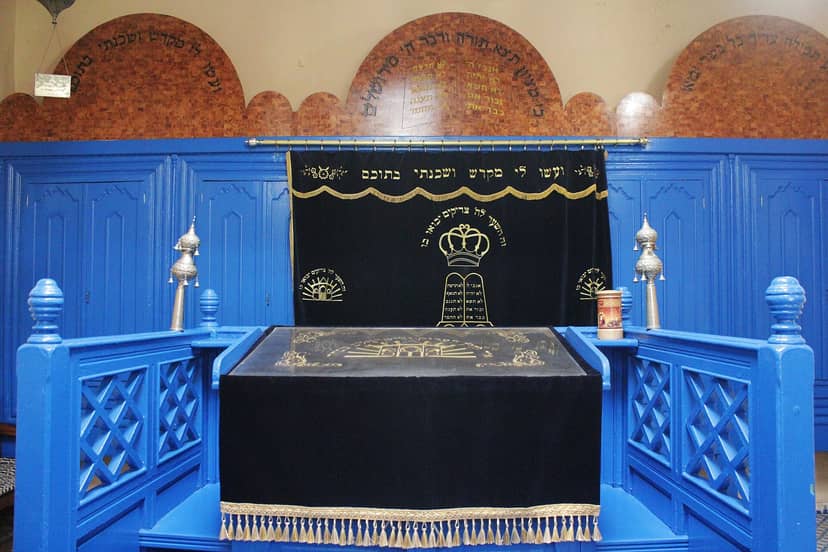
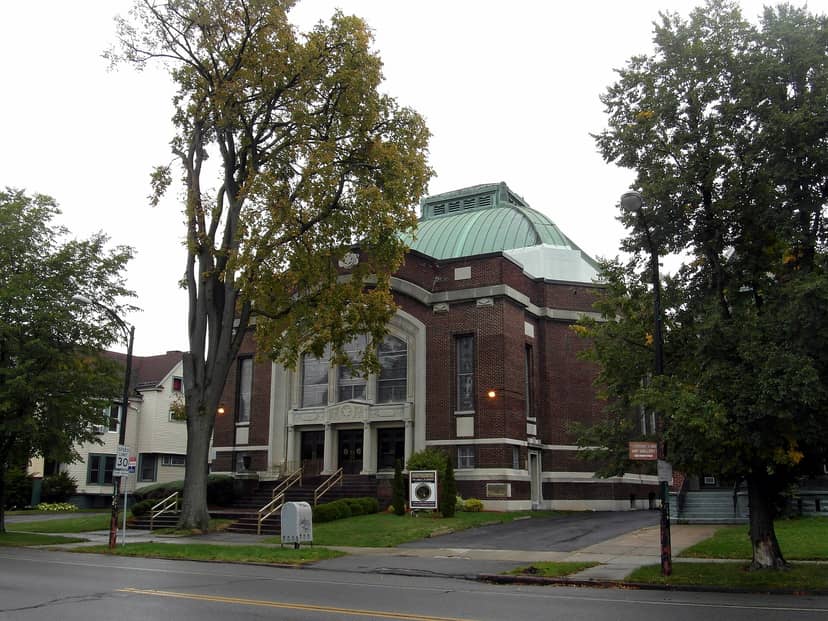
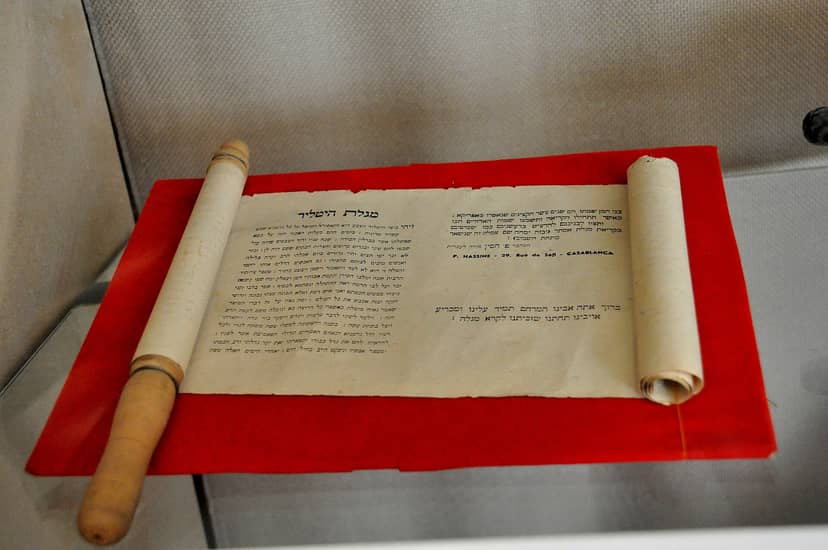
Casablanca is where Moroccan Jewish life continues day to day. Temple Beth-El, completed in 1949, is the best-known working synagogue, admired for its stained glass. The Museum of Moroccan Judaism, opened in the late 1990s in a former children’s home, was long described as the first museum of Judaism in the Arab world. In the old medina, the rebuilt Ettedgui Synagogue stands beside the small El Mellah museum. Casablanca also has the widest kosher choice. Day trips reach the mellahs of Azemmour and El Jadida and the shrines of the Chaouia plain, which come alive at Lag BaOmer.
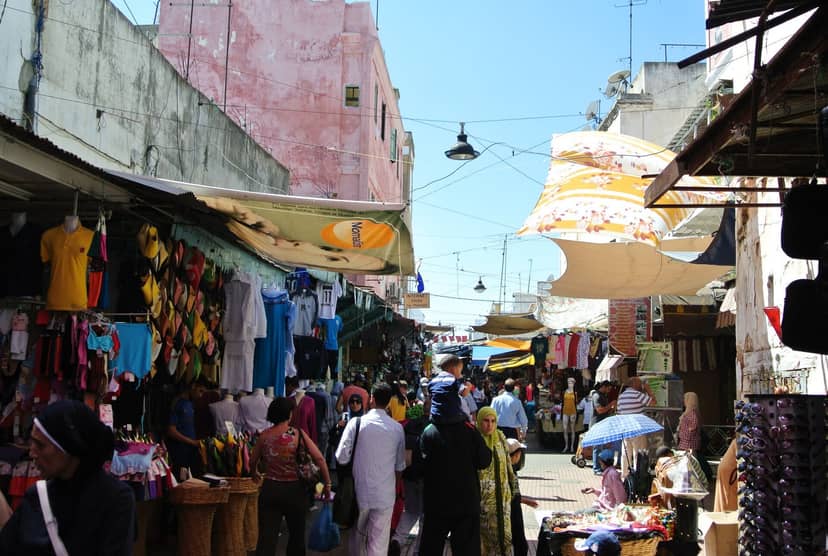
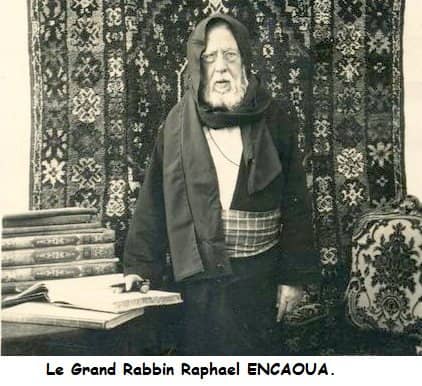
Rabat and Salé face each other across the Bou Regreg river. Rabat’s mellah, laid out in 1806–07, is a busy market quarter where a guide can point out former synagogues and the still-active Rabbi Shalom Zaoui synagogue. Salé was a centre of rabbinic learning, and the tomb of Rabbi Raphael Encaoua draws pilgrims on 4 Av. Rabat is an easy stop between Casablanca and Fes.
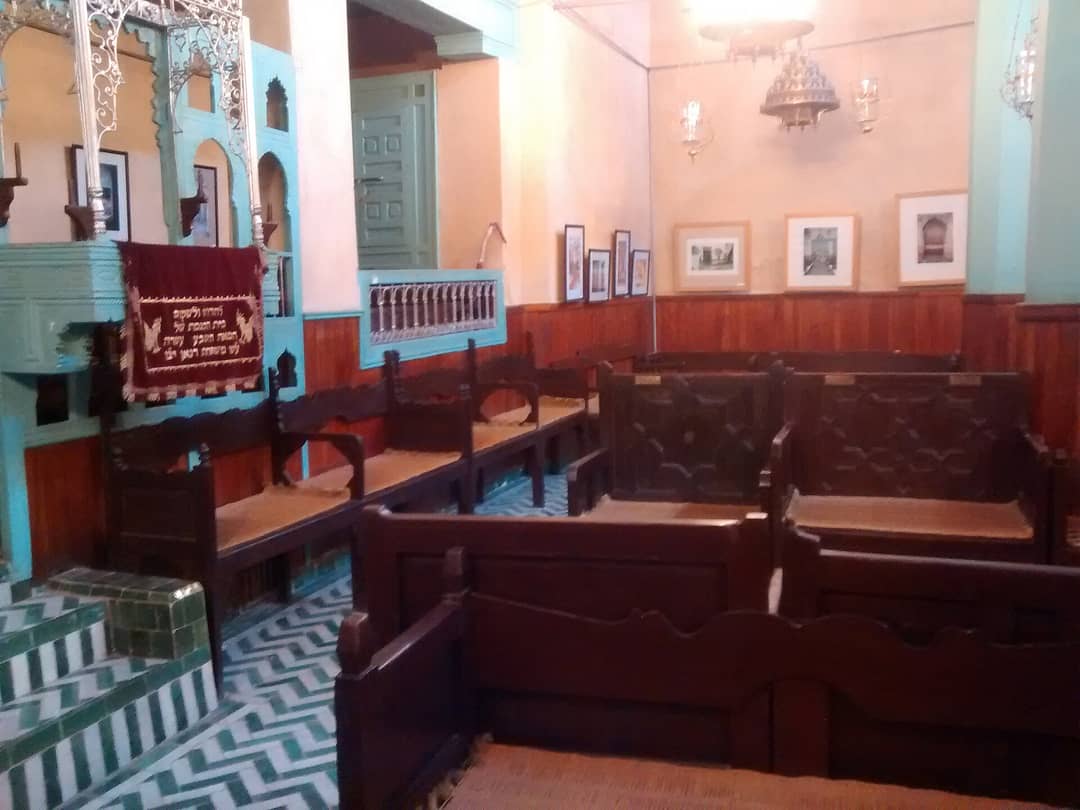
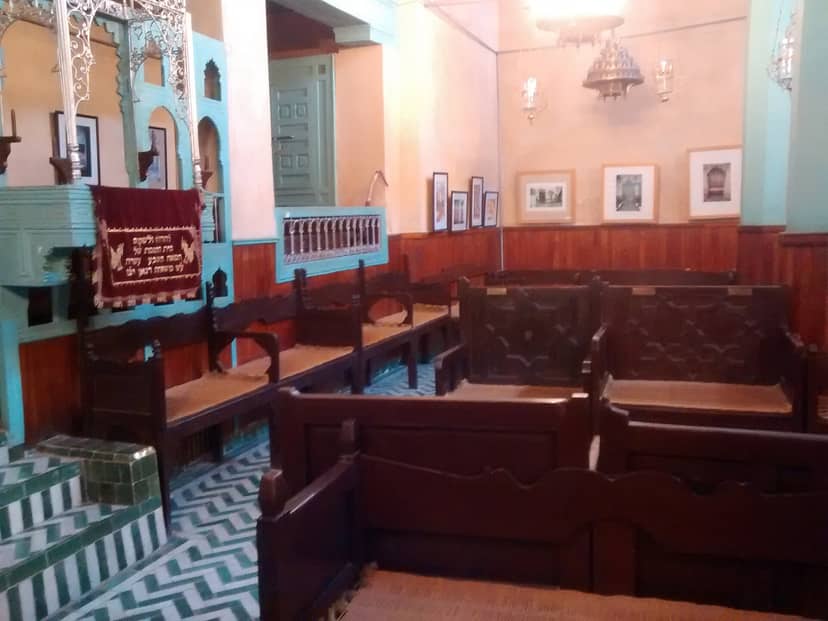
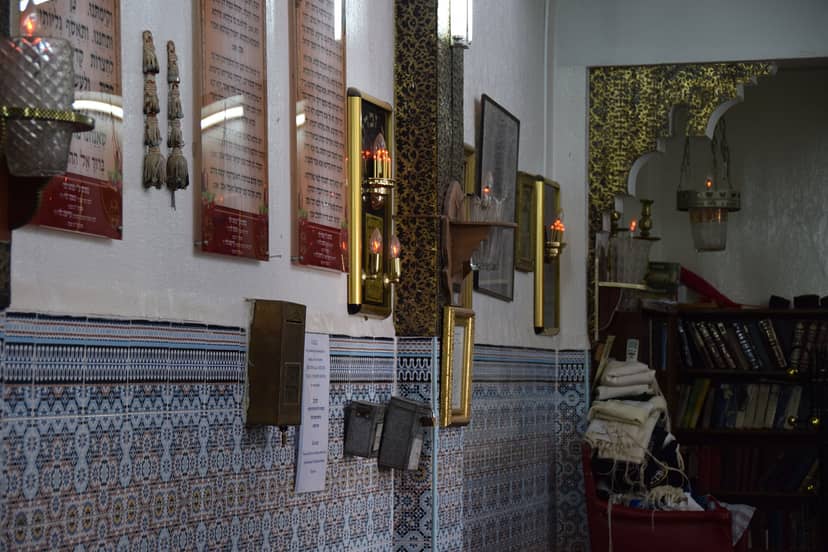
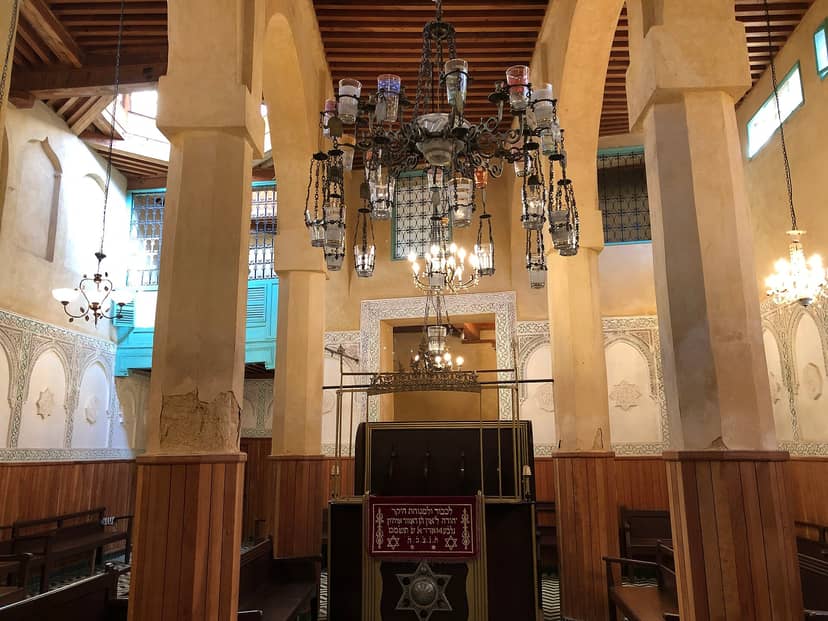
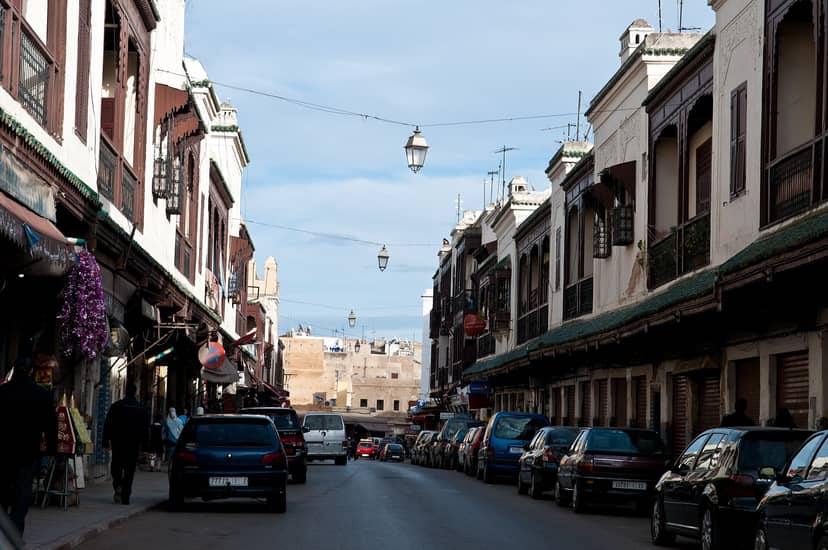
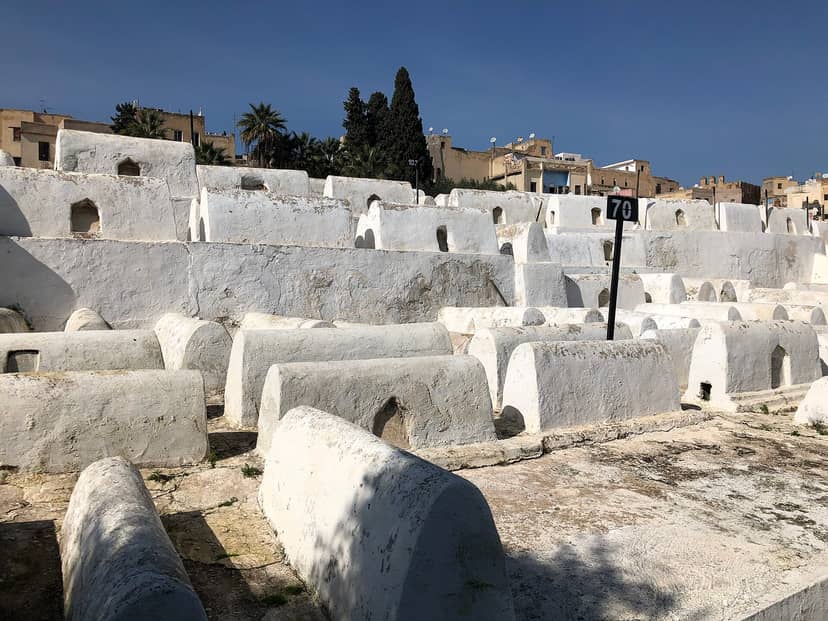
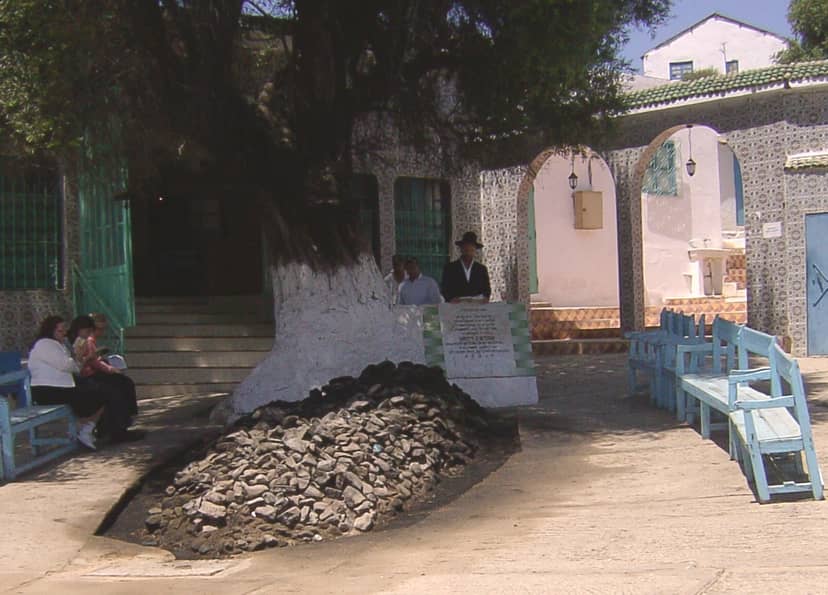
Fes tells the story most completely. Its mellah was the first in Morocco, the Ibn Danan and Slat al-Fassiyin synagogues are restored, and the cemetery holds the shrine of Solica Hachuel, executed in 1834 at the age of 17 and venerated by Jews and Muslims. The new Museum of Moroccan Jewish Culture opened here in October 2026. The same guide covers Meknes, with its 1682 cemetery and the restored Toledano synagogue-museum, Roman Volubilis, Sefrou, the shrine of Rabbi Amram Ben Diwan at Asjen near Ouezzane, and the Sephardic town of Debdou.
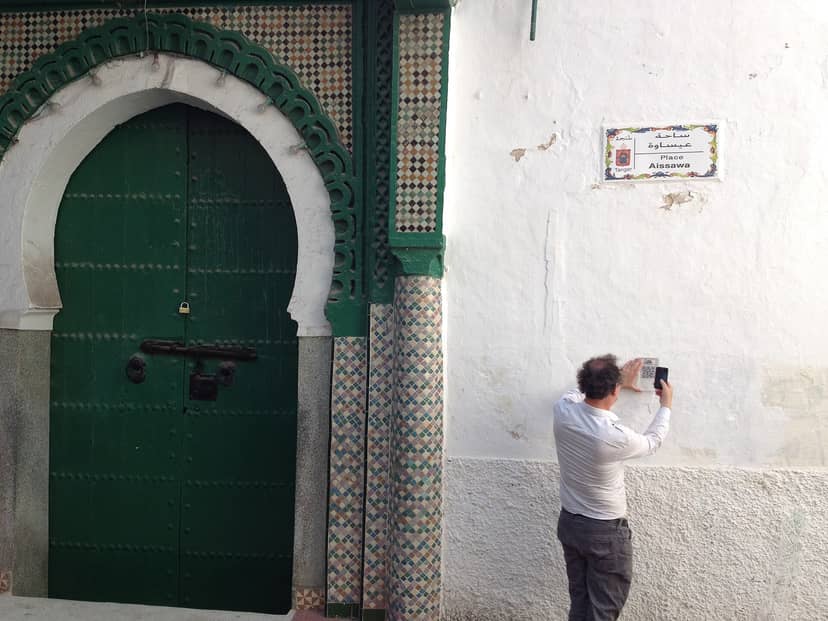
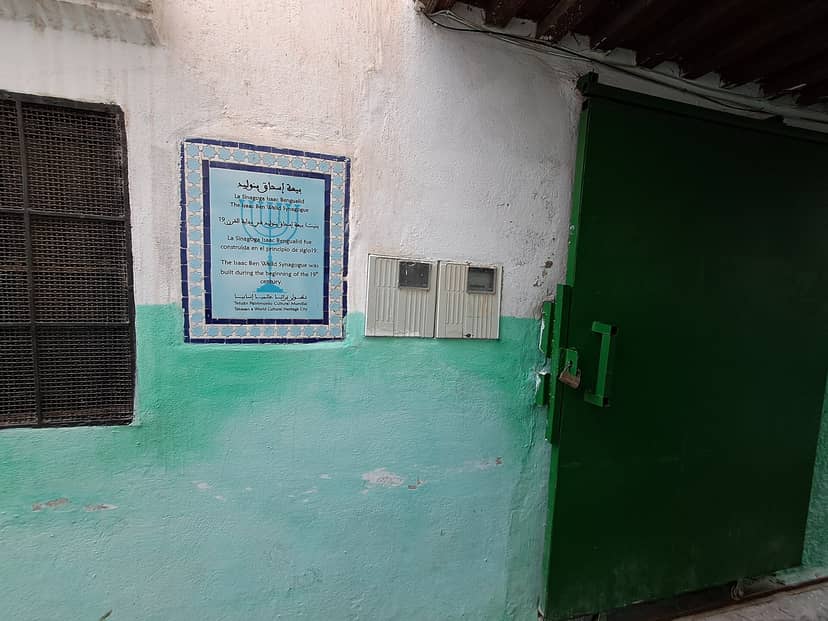
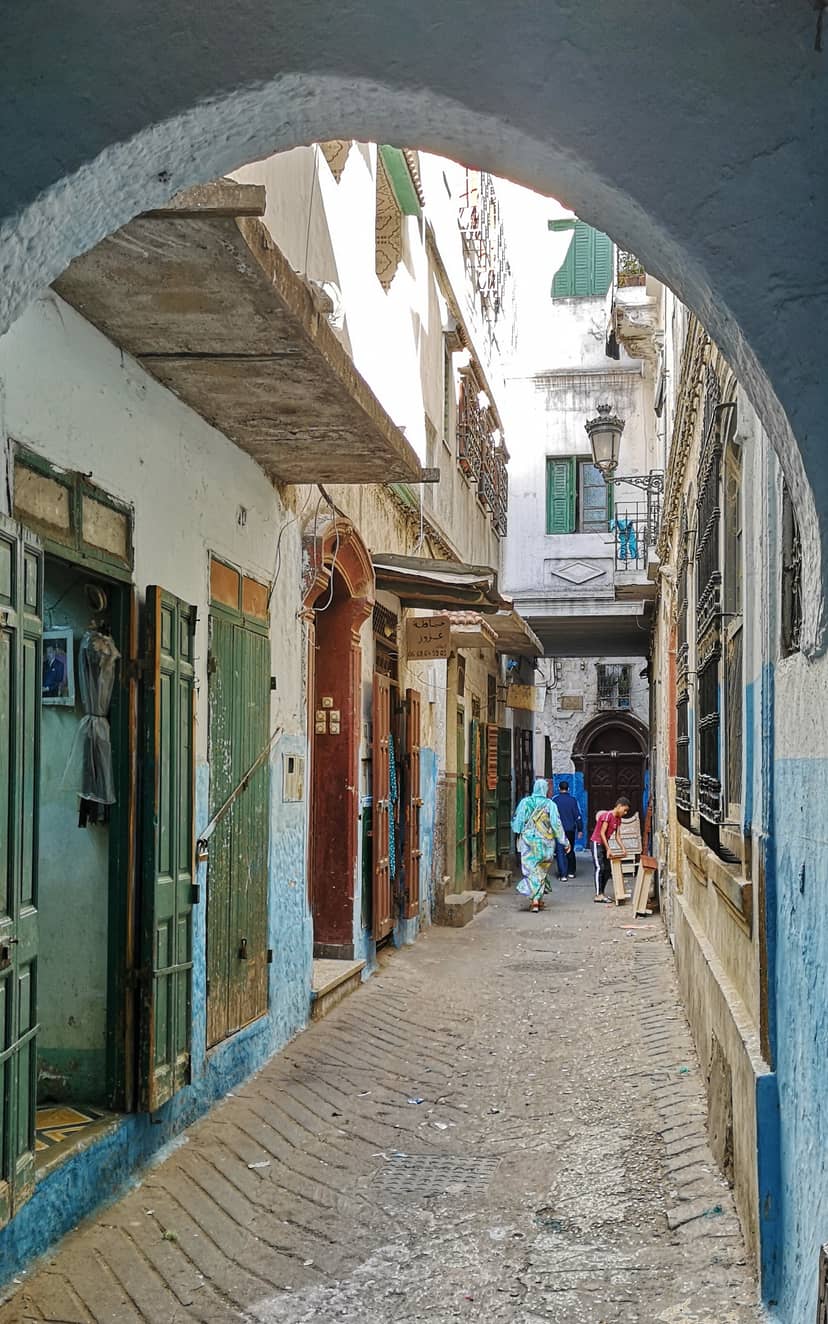
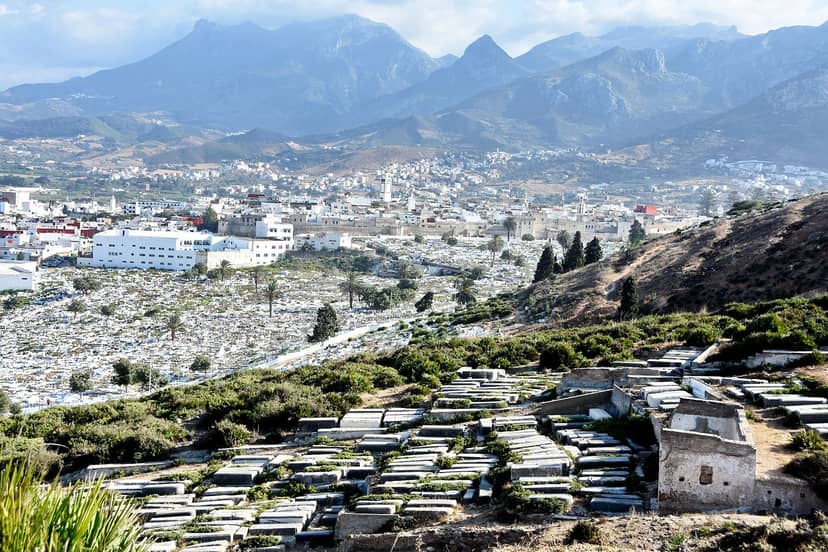
Tangier and Tetouan cover the Haketia-speaking north. Tangier’s Rue des Synagogues keeps several restored synagogues, including the Moshe Nahon and the Beit Yehuda museum, while Shaar Raphael is the city’s working synagogue. Tetouan has a planned 19th-century mellah, the Isaac Ben Walid synagogue and one of the largest Jewish cemeteries in Morocco. Asilah, Chefchaouen, Larache and Ksar el-Kebir complete the region.
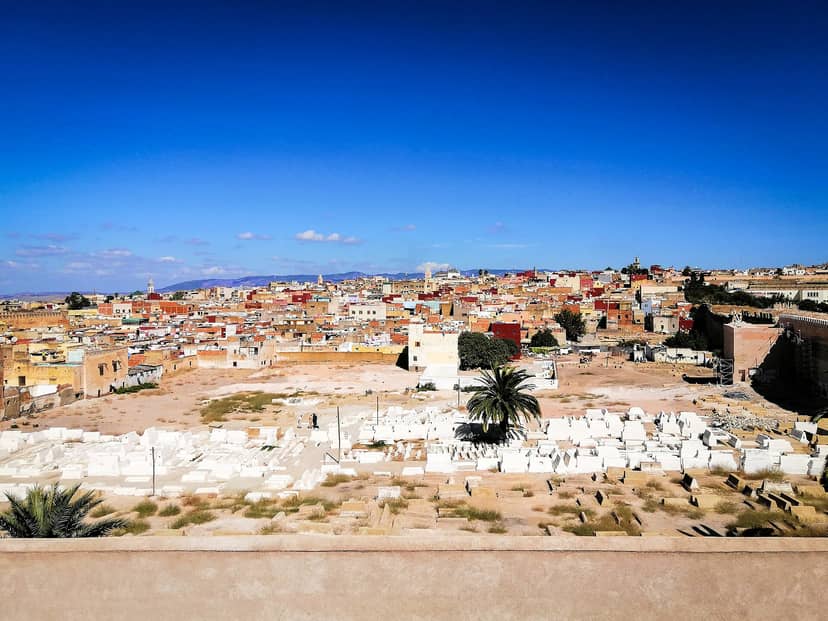
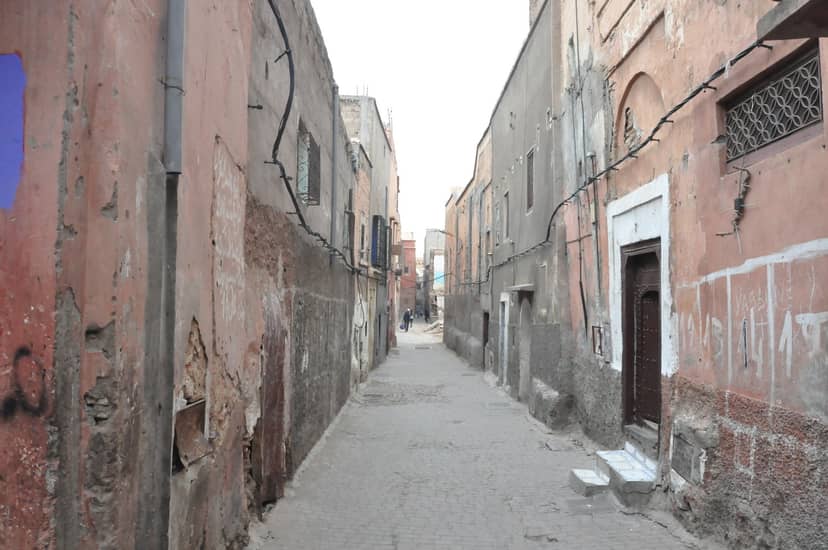
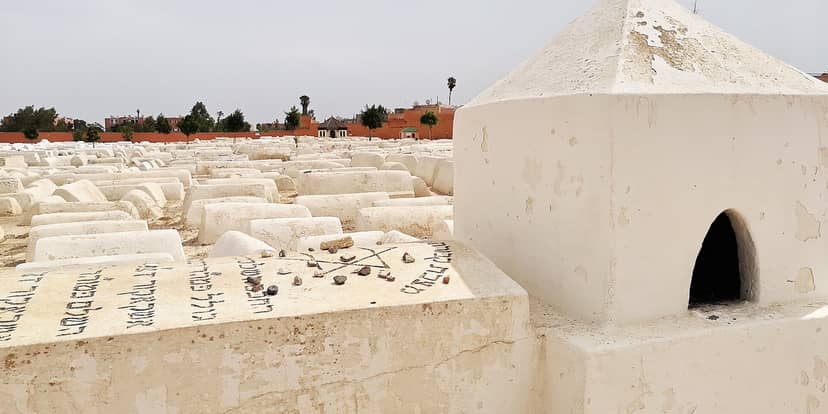
Marrakech has a mellah begun in the 1550s beside the royal kasbah, the working Lazama synagogue and the Miâara cemetery, one of the largest in the country. Day trips climb to the High Atlas shrines and former Jewish villages: Rabbi Shlomo Bel Hench in the Ourika valley, Rabbi Haim Ben Diwan at Anraz, Rabbi David ou Moshe at Agouim and the mellah of Demnate.
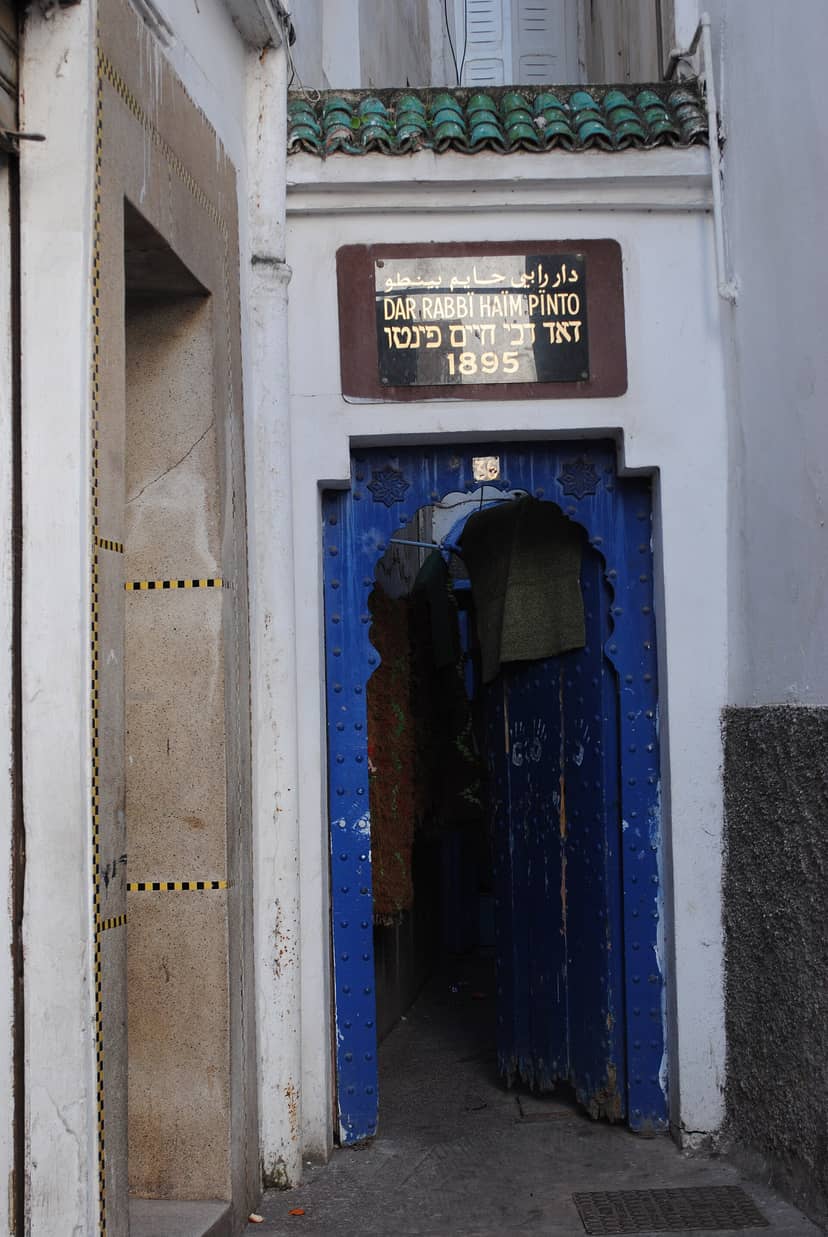
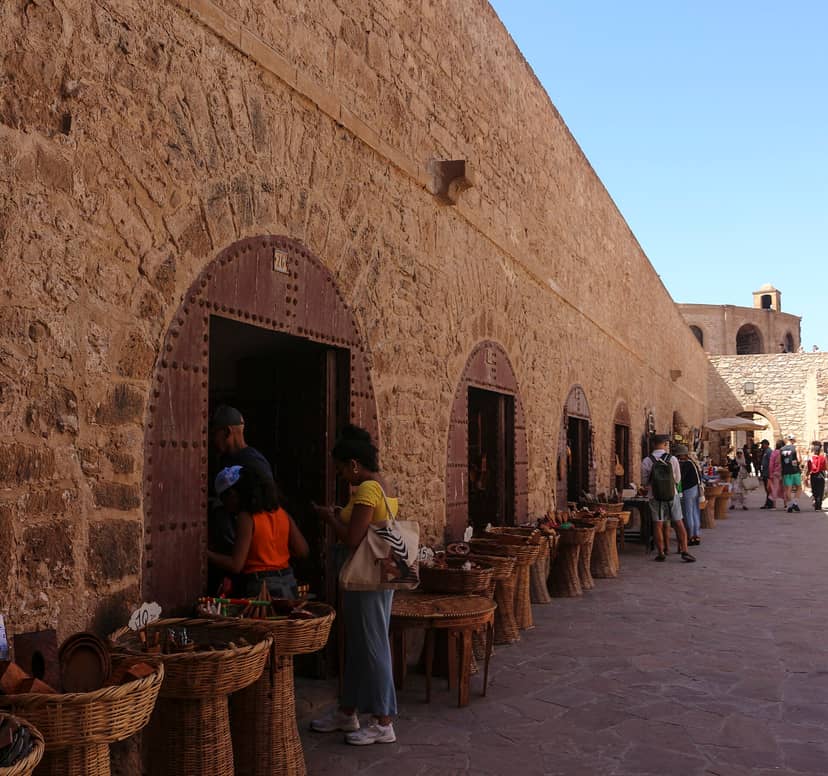
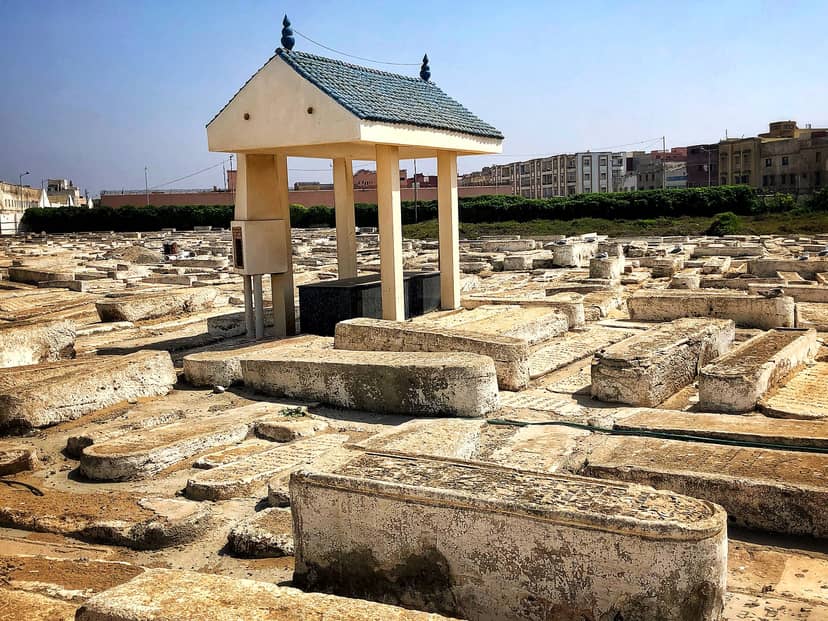
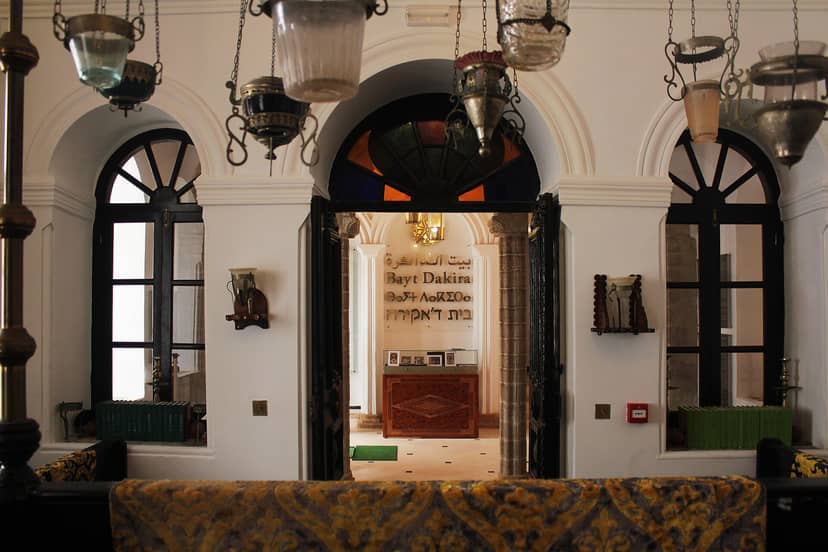
Essaouira, the old port of Mogador, was built in the 1760s around royal merchant families, many of them Jewish. Start at Bayt Dakira, opened in 2020 around the restored Simon Attias synagogue, then visit the Rabbi Haim Pinto synagogue, the mellah and the seaside cemetery, where the Haim Pinto hilloula gathers pilgrims each year on 26 Elul.
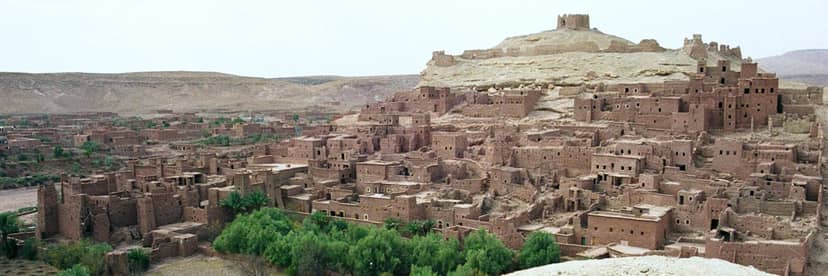
The south is roots country for families from the Souss, the Anti-Atlas, the Draa and the Tafilalet. The sites are former mellahs inside kasbahs, restored village synagogues such as those of Ifrane of the Anti-Atlas and Ighil n’Oghou, the pilgrimage of Rabbi David Ben Baroukh near Taroudant at the end of Hanukkah, and Rissani, seat of the Abuhatzeira rabbinic family, where the Baba Sali was born in 1889. Distances are long and many sites are opened by a caretaker, so this region needs careful planning.