
The story
Construction began in 1850 and the synagogue was inaugurated in 1859. Unlike synagogues founded by a single family, it was paid for by the community at large. Members raised money by collecting alms among the crowds at funerals, and donors from wealthy kasbah families such as the Corcos also contributed. It came to be called the Synagogue of the Poor.
The building stands above an underpass on Rue Moïse, in the heart of the mellah. Its arches once sheltered elderly people in need, and a small school for poor children met in the building, where children learned Hebrew. Rabbi Shlomo Haim Knafo led the congregation.
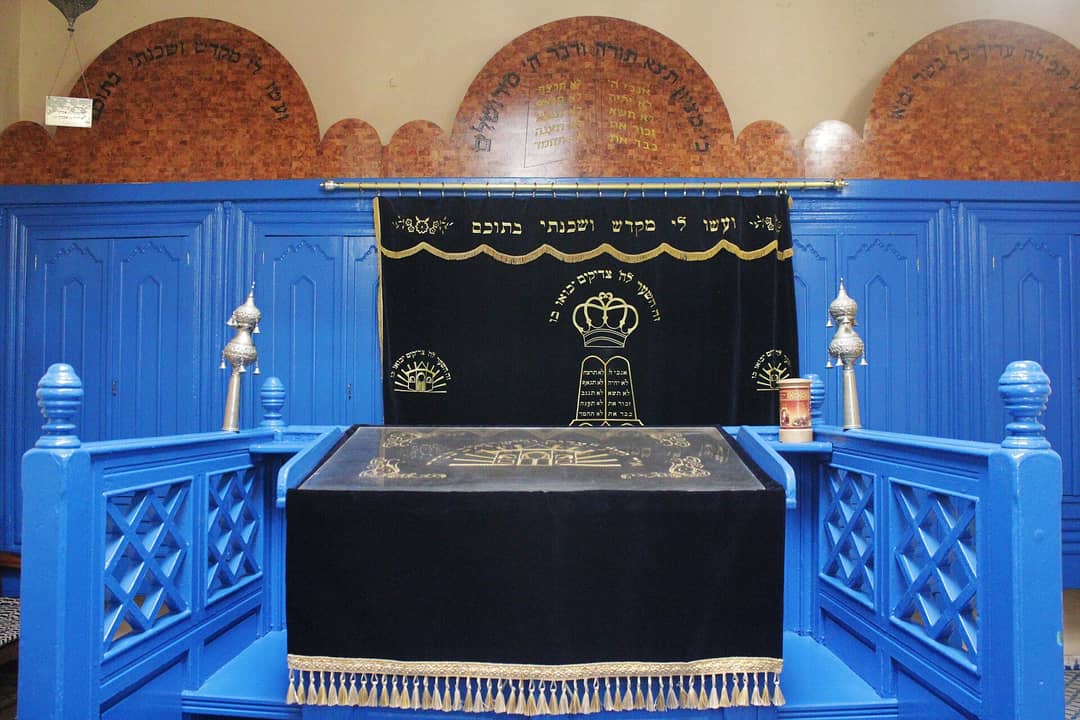
In 1959 the American writer and composer Paul Bowles recorded prayers and piyyutim (liturgical poems) here, sung by the hazan Semtob Knafo and by Amram Castiel. As the community left Essaouira the congregation dwindled, and the last minyan (the prayer quorum of ten men) was held in 1972.
Restoration
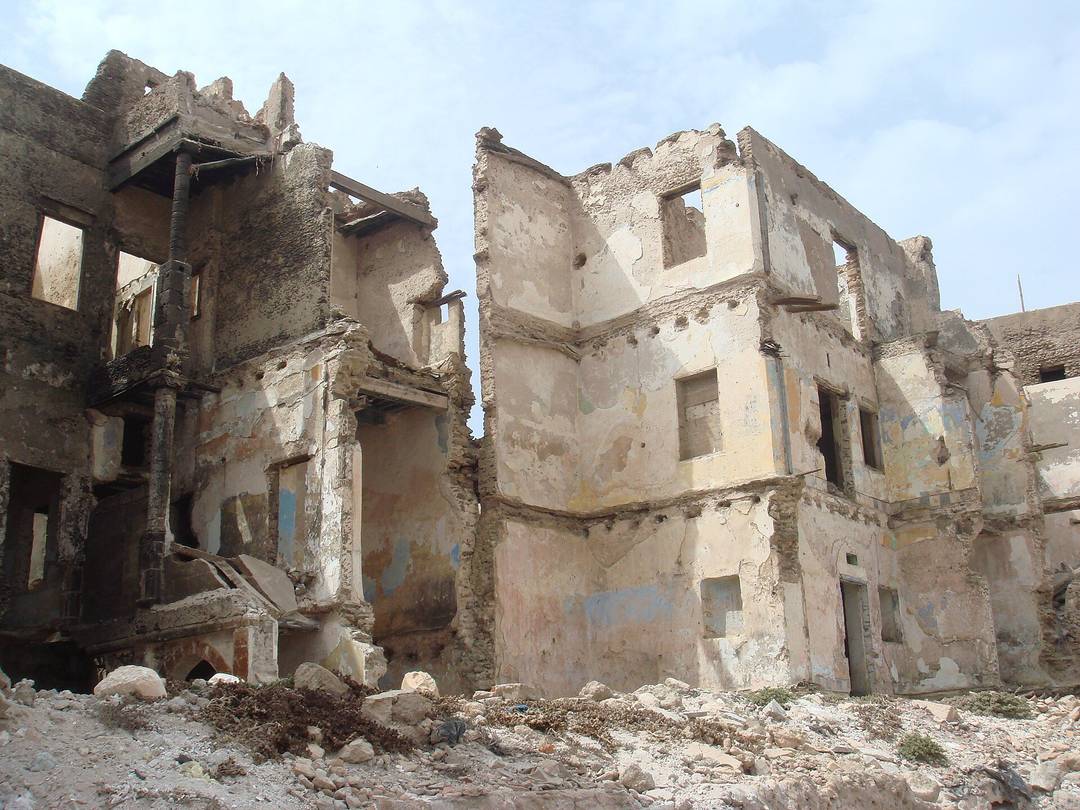
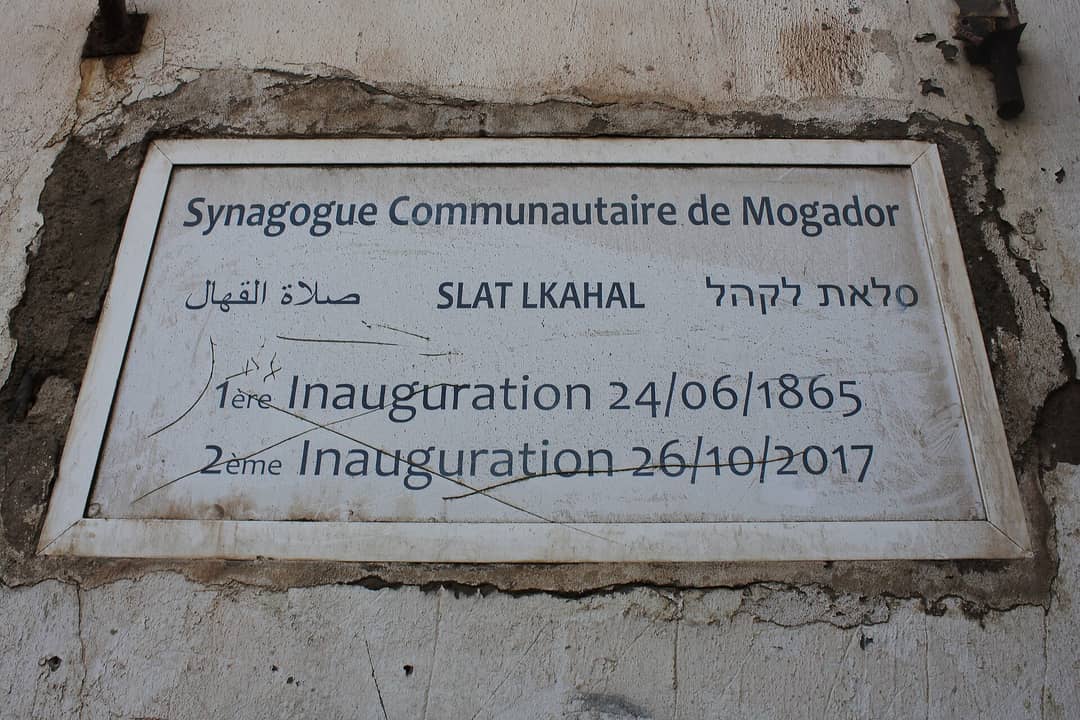
The building then stood empty for years. The Association Slat Lkahal Mogador restored it with donations; it reopened in 2010 and had a second inauguration in 2017. Today it opens mainly for visitors, with a small exhibition of photographs of the mellah and its Jewish families.
Visiting today
Visits were free with a volunteer or guide present in early 2024, and a visitor in January 2026 described viewing the main prayer hall from the upstairs balcony. The door is often closed, with a phone number posted on it, so it is best to arrange the visit in advance. We do this as part of an Essaouira heritage day.
Dress modestly, and men should cover their heads. A donation to the association is a good way to thank the volunteers who keep it open. The building is small, so it suits a short stop between the Haim Pinto synagogue and Bayt Dakira.
Nearby in the mellah
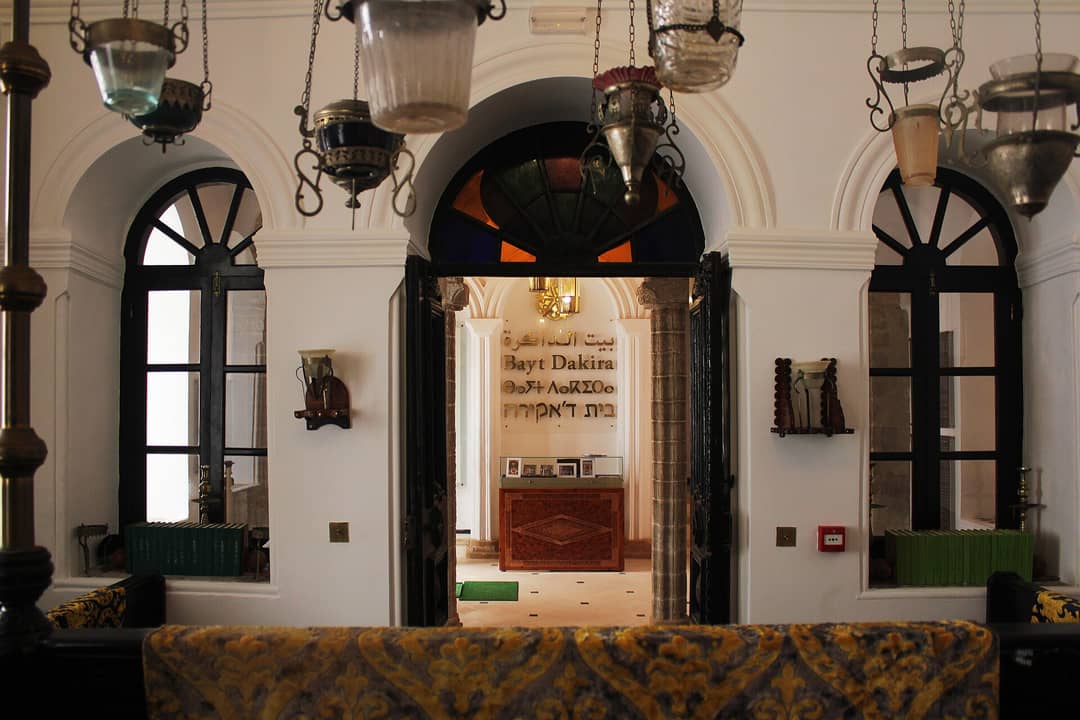
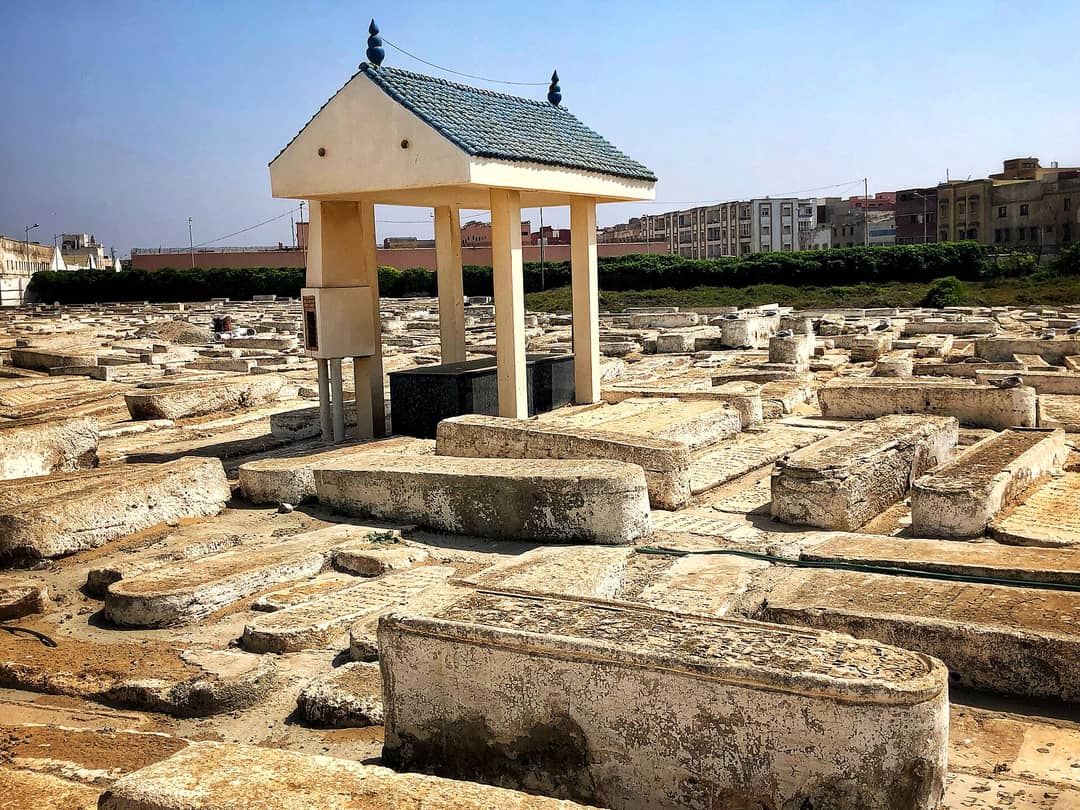
The Rabbi Haim Pinto Synagogue is a short walk away. Combine the two with a walk through the mellah, a visit to Bayt Dakira and the old Jewish cemetery outside Bab Doukkala.