Cemetery · Rabat
Jewish Cemetery of Rabat
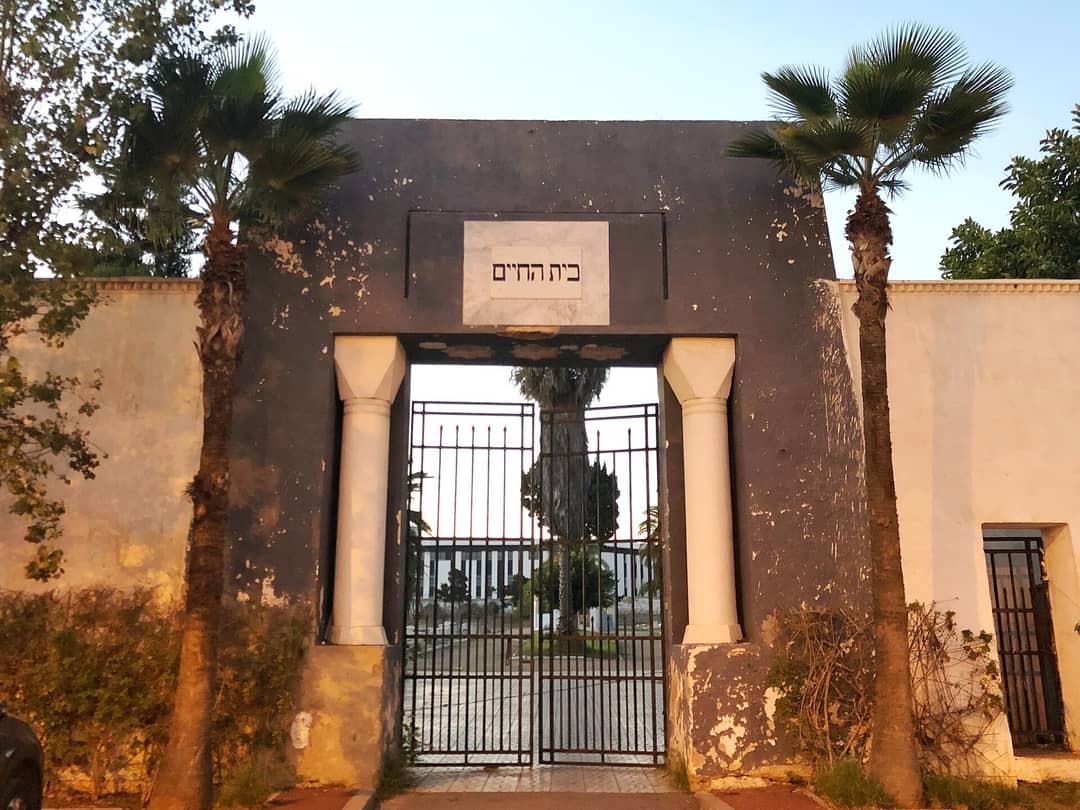
Rabat has two Jewish cemeteries, and the older one, in the Océan district west of the medina, is where the community’s two best-known saints are buried: Rabbi Eliezer Davila (1714–1761) and Rabbi Shalom Zaoui (c. 1839–c. 1918). It is a working community cemetery that comes alive at their annual hilloulot. Visits are arranged with the Rabat-Salé Jewish community.
Two cemeteries, one old and one new
In 2021 David Toledano, president of the Jewish community of Rabat, described two Jewish cemeteries in the city: a very old one in the city centre, and a more modern one on the road to Casablanca, beside the Christian cemetery. This page is about the old one. Its oldest section lies in the Océan district, between the medina and the Atlantic.
The cemetery served a community that grew from about 5,000 Jews in Rabat and Salé together in 1881 to more than 15,000 in Rabat in 1947. Its historic quarter was the mellah laid out in 1806–1807 under Sultan Moulay Slimane, although by the 1940s many families lived outside it. Emigration in the second half of the 20th century left only a small community, which still looks after the site.
What you’ll see
The Cemetery Discovery Project of JewishGen notes tombstones inscribed in Hebrew, French and Spanish. For families, the French and Spanish inscriptions can make names and dates easier to read than on older Hebrew-only stones.
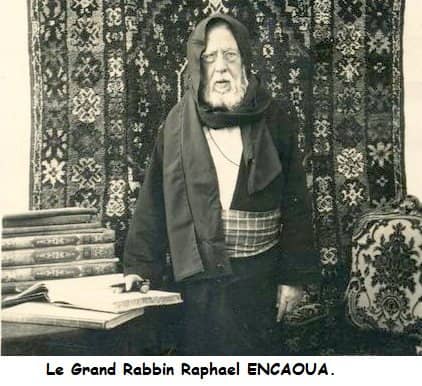
The two saints’ tombs are the focus of most visits. Rabbi Eliezer Davila was born in Salé, served as chief rabbi of Rabat, Marrakech and Salé, and founded a yeshiva (a Torah academy) in Rabat. Rabbi Shalom Zaoui ran the synagogue in the mellah that still carries his name, and accounts collected by Yabiladi describe the sick sleeping beside his grave in hope of healing, Jews and Muslims alike.
Morocco launched a national programme to rehabilitate Jewish cemeteries in 2010. Speaking in 2021, the community president said that no tomb in Rabat had ever been destroyed or violated.
Hilloulot at the cemetery
A hilloula is the annual celebration at a tzaddik’s grave (a tzaddik is a righteous person revered as a saint) on the anniversary of his death, with prayer, candles, song and a shared meal. Rabbi Eliezer Davila’s hilloula falls on 3 Adar. In February 2020 several hundred people, including pilgrims from abroad, gathered here for it, singing liturgical and Judeo-Moroccan songs and praying for rain during a drought year.
Rabbi Shalom Zaoui’s hilloula is given by Yabiladi as 29 Kislev, during Hanukkah. Dates move each year on the Gregorian calendar, so we confirm them with the community before you travel. See our guide to hilloula pilgrimages in Morocco.
Finding a family grave
If your family is from Rabat, bring every name, Hebrew name and approximate date you have. A caretaker or community member may be able to help locate a section or a stone, but we cannot promise that burial records survive for every grave. We ask the community in advance when we plan a roots day in Rabat.
Visiting respectfully
No public opening hours have been published, so access should be confirmed and arranged through the Rabat-Salé Jewish community; we do this as part of planning. Dress modestly, walk on paths rather than over graves, and ask before photographing anyone at prayer. A tip for the caretaker is customary.
Jewish Cemetery of Rabat: questions travellers ask
Which rabbis are buried in Rabat’s Jewish cemetery?
The best known are Rabbi Eliezer Davila (1714–1761) and Rabbi Shalom Zaoui (c. 1839–c. 1918), both venerated as saints. One saints’ list places them in Salé, but Yabiladi and North Africa Post both place their graves in Rabat.
Can I visit without contacting the community?
There are no published opening hours, so we arrange access through the Rabat-Salé Jewish community in advance.
Can you find my family’s grave?
We can ask the community and a caretaker to help, and inscriptions in French and Spanish make some stones easier to identify, but we cannot promise that records exist for every burial.
Can non-Jews visit?
Yes, with respectful dress and behaviour, and with access arranged in advance.
Sources. Hespress (2021); Yabiladi; North Africa Post (2020); JewishGen Cemetery Discovery Project; Diarna. Researched and fact-checked by Gateway2Morocco, October 2026. Access to religious sites changes; we confirm every visit when we plan your trip.