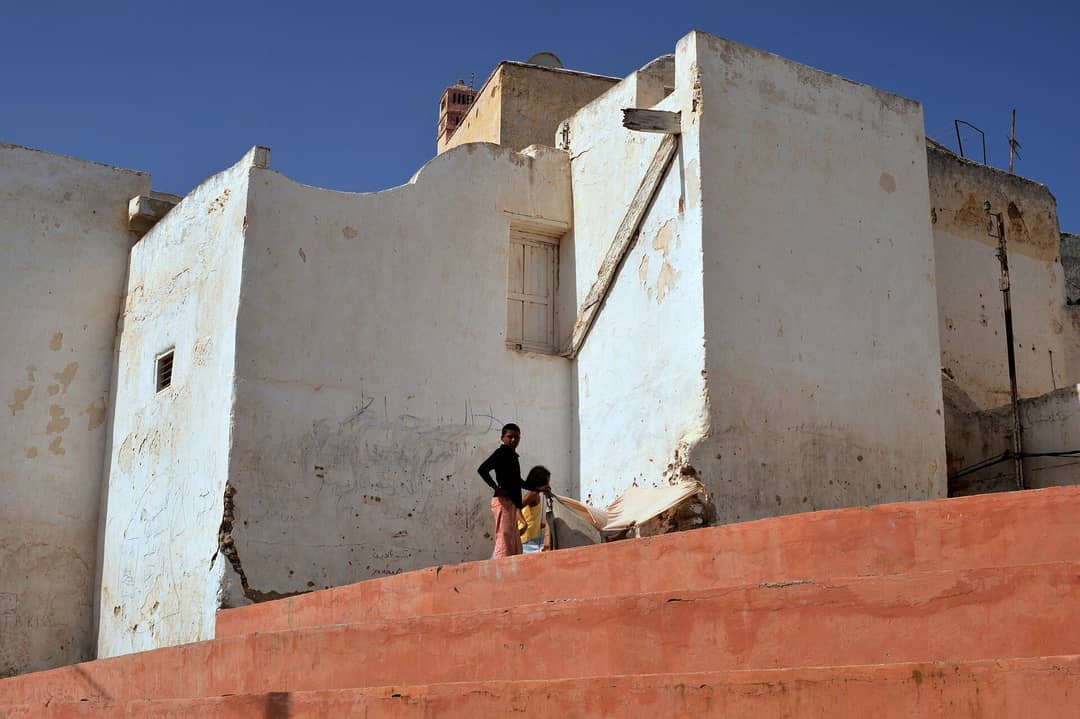
Jewish quarter · Azemmour old medina
The Mellah of Azemmour
Azemmour’s mellah is one of the three quarters of the small walled medina above the Oum Er-Rbia river. The town’s Jewish community goes back at least to the 15th century and lasted until the 1960s. No Jews remained by 1968, but families of Azemmour origin still come back to walk its lanes and visit the shrine of Rabbi Abraham Moul Niss.
How the quarter began
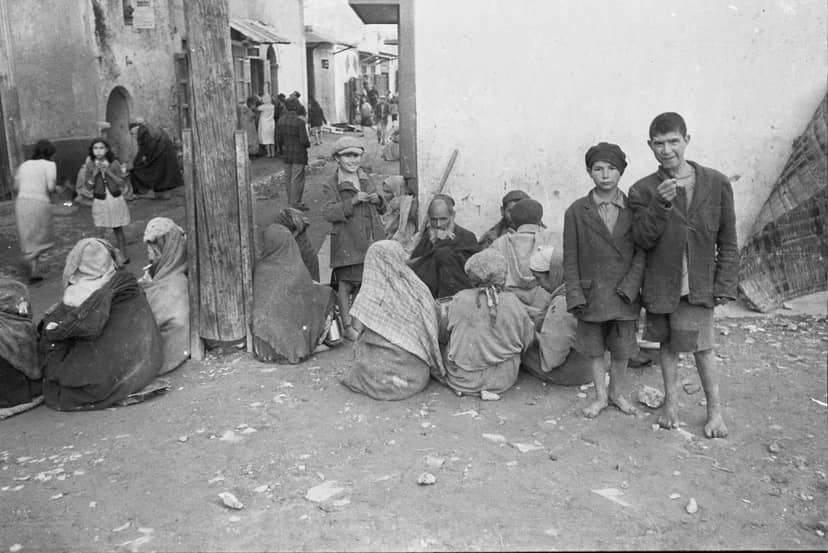
In the 15th century Azemmour was a free town of about 20,000 people, roughly 2,500 of them Jews. Most worked as fishermen and craftsmen, and a few were wealthy merchants. Exiles from Portugal found refuge here in 1496, and members of Iberian trading families joined the community, using their languages and overseas contacts in long-distance trade.
Portugal acquired the port in 1486, according to one account, and occupied the town in 1513. The Jews received a grant of privileges on 14 June 1514, and Rabbi Joseph Adibe, appointed around 1512, was given wide powers. Families named in the records include Adibe, Roti, Valensi, Buros, Rodrigues and Cordilha. Conversos (Marranos), Jews forced to convert in Iberia, could pass through Azemmour and return to Judaism inland.
When Moroccan forces retook the town in 1541, King John III of Portugal ordered Jewish non-combatants evacuated to Asilah (Arzila). A community was re-established in 1780. Around 1820, once the sultan allowed Jews to trade at Mazagan, most of the wealthy families moved there and helped found the Jewish quarter of today’s El Jadida, while the craftsmen stayed. The community lasted until the emigration that followed 1948, and by 1968 no Jews lived in the town.
Walking the mellah today
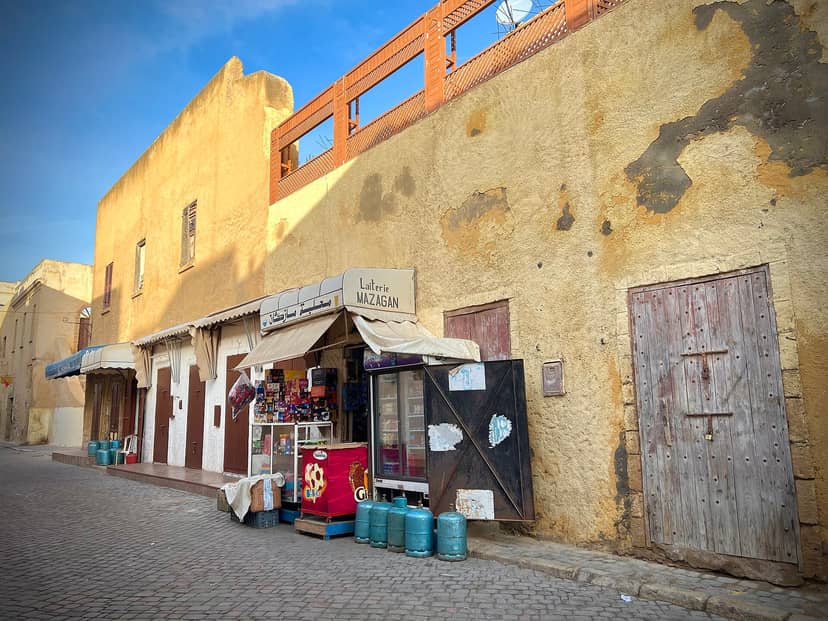
The medina is small and easy to explore on foot. The mellah sits alongside the kasbah and the old medina proper, above the river. Within the quarter are the shrine of Rabbi Abraham Moul Niss and a synagogue building, and there is a Jewish cemetery. We have no recent confirmation that the synagogue’s interior can be visited, so treat it as an exterior stop unless we confirm access.
Murals from a street-art festival, no longer held, still decorate many medina walls, and boatmen on the Oum Er-Rbia offer short rides for a negotiated fare.
The shrine of Rabbi Abraham Moul Niss
Azemmour’s Jews venerated their own saints, Rabbi Abraham Ben Natane and Rabbi Abraham Moul Niss. According to a 2020 report, Moul Niss’s grave was little more than a cave until the early 1940s, when the present mausoleum in the mellah was built, and thousands of Jews and Muslims visit it each year. Families of Azemmour origin return for his hilloula, the annual celebration at a tzaddik’s tomb; sources place it either at Lag BaOmer or in August, so we confirm the date each year. A local guardian looks after the shrine. See the Shrine of Rabbi Abraham Moul Niss for details.
Visiting tips
Azemmour is reachable by train from Casablanca and pairs naturally with El Jadida’s Portuguese City nearby, where many Azemmour families moved in the 19th century. Dress modestly in the medina and at the shrine, ask before photographing residents, and tip the shrine’s guardian. A guide makes it much easier to find the shrine and synagogue in the lanes. Our Casablanca and Atlantic coast guide covers the region.
Mellah of Azemmour: questions travellers ask
Are there still Jews in Azemmour?
No Jewish residents were recorded by 1968. Families of Azemmour origin now return as visitors, especially for the hilloula of Rabbi Abraham Moul Niss.
Can I visit the synagogue?
A synagogue building stands in the mellah, but we have no recent confirmation of interior access. We check before your trip and arrange entry if it is possible.
When is the Moul Niss hilloula?
Sources differ between Lag BaOmer and August. We confirm the date with the community each year.
How do I get to Azemmour?
It is on the train line from Casablanca, and we usually combine it by car with El Jadida in a day.
Sources. Encyclopaedia Judaica (via Encyclopedia.com); Diarna; Wikipedia; MarocMama (2017); Le Matin (2020); Maroc Diplomatique. Researched and fact-checked by Gateway2Morocco, October 2026. Access to religious sites changes; we confirm every visit when we plan your trip.