Who he was
Isaac Bengualid was born in Tetouan in 1777, according to most sources (one gives 1789), into a family from Castile that had left Spain for Morocco in 1492. A biographical account in Yabiladi says his father died when he was young and his mother sold her husband’s Talmudic manuscripts to support the family, which he later hoped to buy back.
The same account says that at about 20 he left for Gibraltar to avoid being named rabbi of Tetouan, and was persuaded to return. He became head of the city’s rabbinical court (av beit din), an appointment the Encyclopaedia of Jews in the Islamic World dates to 1835, and held that role until his death.
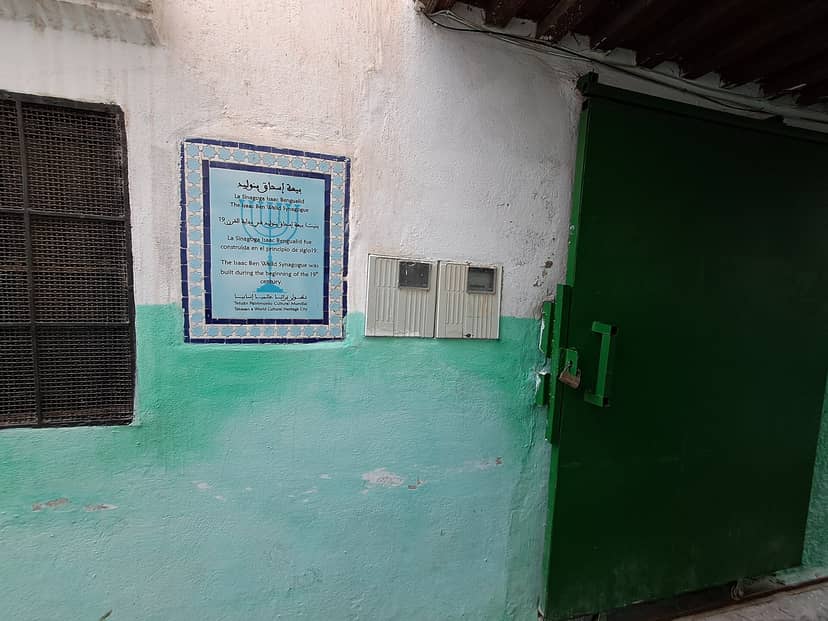
His book Vayomer Yitzhak is a collection of responsa: his written answers to questions of Jewish law, still consulted by rabbinic judges. He was known as “Baba Señor”, to tell him apart from his grandson and namesake, “El Chiquito”. He reportedly encouraged the opening of the Alliance Israélite Universelle’s first school in Morocco, in Tetouan in 1862; the main source for this hedges the claim. The synagogue linked to him still stands in the mellah.
Traditions about him
Much of his popular fame rests on tradition. He used a walking stick handed down through generations, and tradition holds that it healed the sick and helped women in difficult pregnancies or hoping to conceive. One story told about him says that he sent a student, Rabbi Yechaya ben Naim, to pray at the tomb of Rabbi Amram Ben Diwan in Ouazzane, and that the student later had a son. These accounts belong to community memory rather than documented history, and they are part of why families still come to his grave.
The tomb
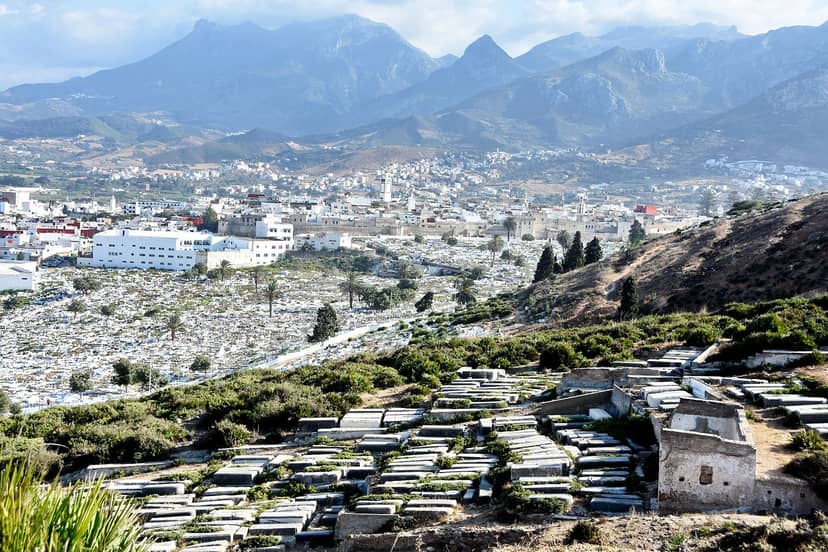
He died on 9 Adar II (Adar Sheni) 5630, in 1870, and was buried in the Jewish Cemetery of Tetouan on the Ceuta road. His tomb is covered in whitewash, with the tombs of his sons Semtob and Vidal on either side. None of the three carries an epitaph, in keeping with the local custom of leaving the graves of people with descendants uninscribed.
The hilloula
The hilloula is held on 9 Adar on the Hebrew calendar, 26 February in 2026. As with all Hebrew dates, it begins at sunset the evening before. In Hebrew leap years, which have two months of Adar, sources differ on whether it is kept in the first or second Adar, so confirm the date with the community.
Pilgrims gather at the tomb at night to pray, and many stay through the night. Moroccan Jews come back for it from France, Israel, Canada, Venezuela, Panama and elsewhere. The commemoration includes chants in Haketia, the Judeo-Spanish of northern Morocco, and baqashot, the poetic supplications Moroccan Jews sing through the night, at community centres or synagogues. Our hilloula guide explains how these pilgrimages work and how we plan around them.
Visiting outside the pilgrimage
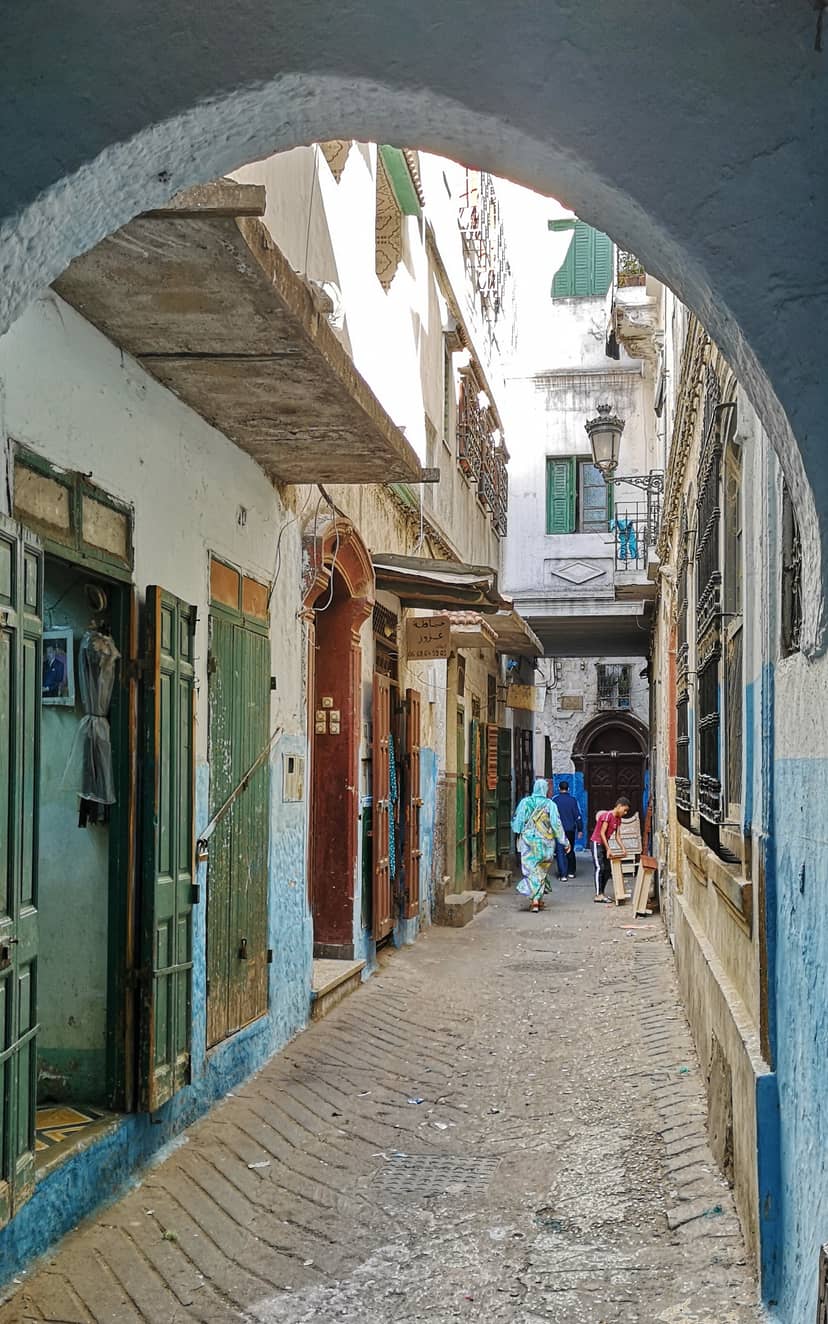
The cemetery gate is kept locked, so a visit at any other time of year goes through the guardian, and we arrange it in advance. Dress modestly, and men usually cover their heads at the tomb. Do not step on graves, and leave a tip for the guardian. The quiet of an ordinary weekday suits families who want time at the grave. Many visitors also see the synagogue associated with him in the mellah on the same day.
Getting there
The cemetery is on the north-east edge of Tetouan: it lies on the Ceuta road, beside the Muslim cemetery. It is a short drive or taxi ride from the medina. The old section is steep and uneven, so wear sturdy shoes.
Tomb of Rabbi Isaac Ben Walid: questions travellers ask
When is the hilloula of Rabbi Isaac Ben Walid?
On 9 Adar, which was 26 February in 2026, beginning at sunset the evening before. In Hebrew leap years, check with the community which Adar is used.
Can I visit the tomb outside the hilloula?
Yes. The cemetery is locked, so visits are arranged through the guardian; we organise this in advance.
Is Ben Walid the same as Bengualid?
Yes. Bengualid is the Spanish-influenced spelling used in Tetouan; Ben Walid, Ben Oualid and Ben Ualid are other spellings of the same name.
Can non-Jews visit the tomb?
Respectful visitors are welcome with the guardian. During the hilloula the atmosphere is one of prayer, so keep a low profile and do not photograph worshippers.
Sources. Yabiladi; Wikipedia (Hiloula of Rabbi Isaac Ben Walid); Maguén-Escudo; New York Jewish Travel Guide (2019). Researched and fact-checked by Gateway2Morocco, October 2026. Access to religious sites changes; we confirm every visit when we plan your trip.