Synagogue · Tetouan mellah
Isaac Ben Walid Synagogue, Tetouan
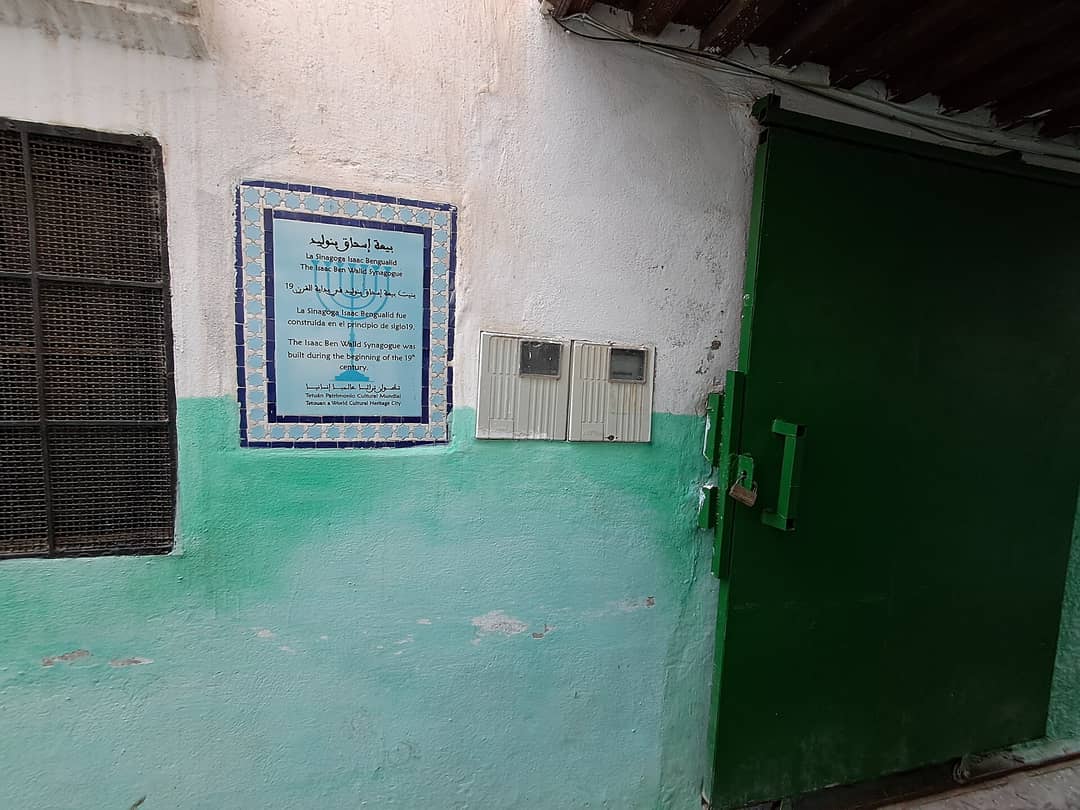
The Isaac Ben Walid Synagogue (Sinagoga Isaac Bengualid) is the only one of the Tetouan mellah’s sixteen synagogues still preserved as a synagogue. Named after Rabbi Isaac Ben Walid, the city’s revered 19th-century rabbi, it keeps his upstairs study room, a matzah oven and a small mikveh. It no longer holds regular services, but it opens for visitors and comes alive each year for his hilloula.
The story
Rabbi Isaac Ben Walid (Bengualid, 1777–1870) led Tetouan’s Jews for half a century; Beit Hatfutsot lists him as chief rabbi from 1820 to 1870. His two-volume work Vayomer Yitzhak (Livorno, 1855) is a major source for the history of the community, then about 4,200 strong and regarded as a centre of Moroccan Sephardic life. He was also a supporter of the Alliance Israélite Universelle school that opened in Tetouan in 1862. He died on 9 Adar II 5630 (1870), aged 93.
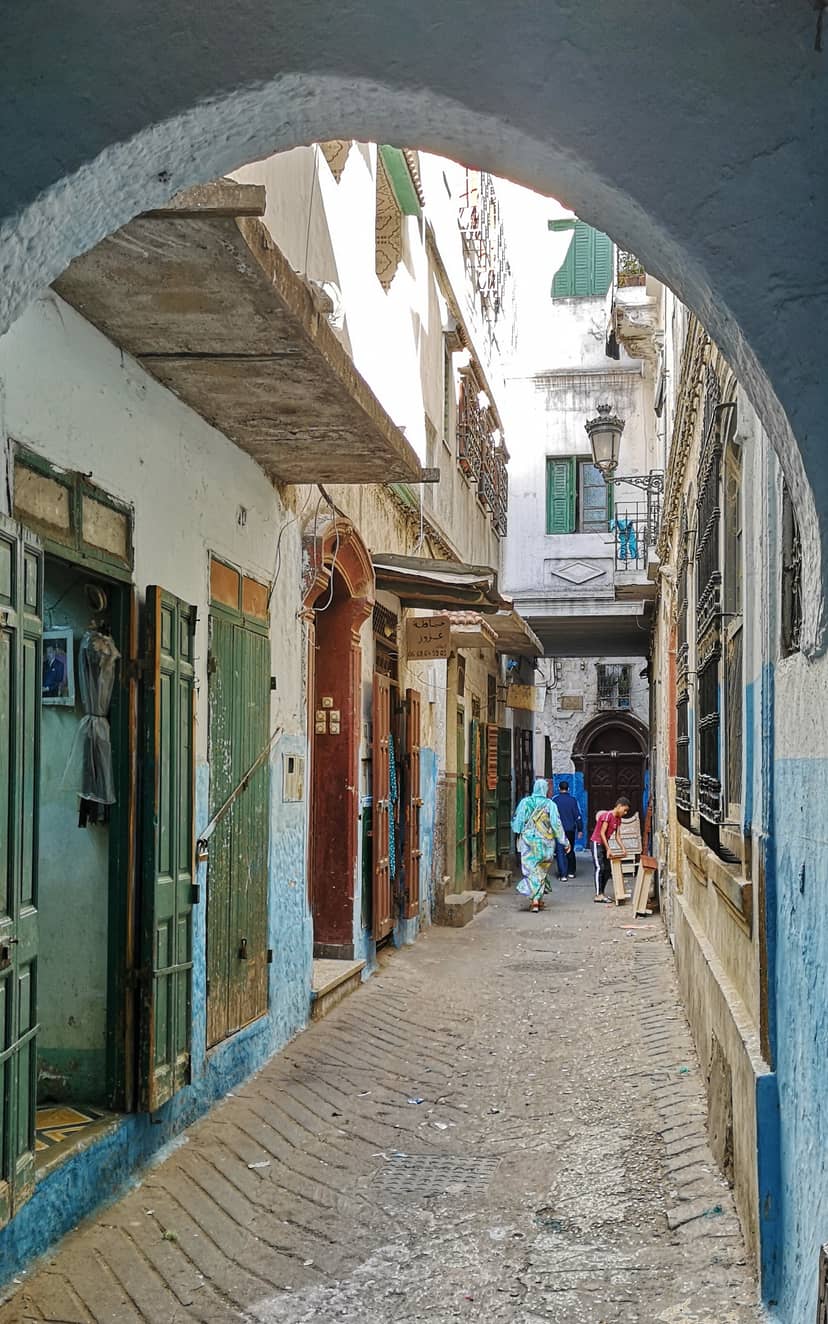
The synagogue stands in the newer mellah south of the medina, created when Sultan Moulay Slimane built a great mosque on the site of the old Jewish quarter. Sources disagree on its date: one says it was built at the beginning of the 19th century, another gives 1889. A street in the mellah still carries the rabbi’s name.
Tetouan, once nicknamed “Little Jerusalem”, still had more than 1,000 Jews before 1968, the year the last regular service was held here. The mellah once had sixteen synagogues; as families left, the others were sold with their buildings. In 2001 this one was restored with funding from AECID (the Spanish development agency) and the Junta de Andalucía, together with the Tetouan municipality, the Foundation for Moroccan Jewish Cultural Heritage and the Bengualid family, who still own the building.
Inside the synagogue
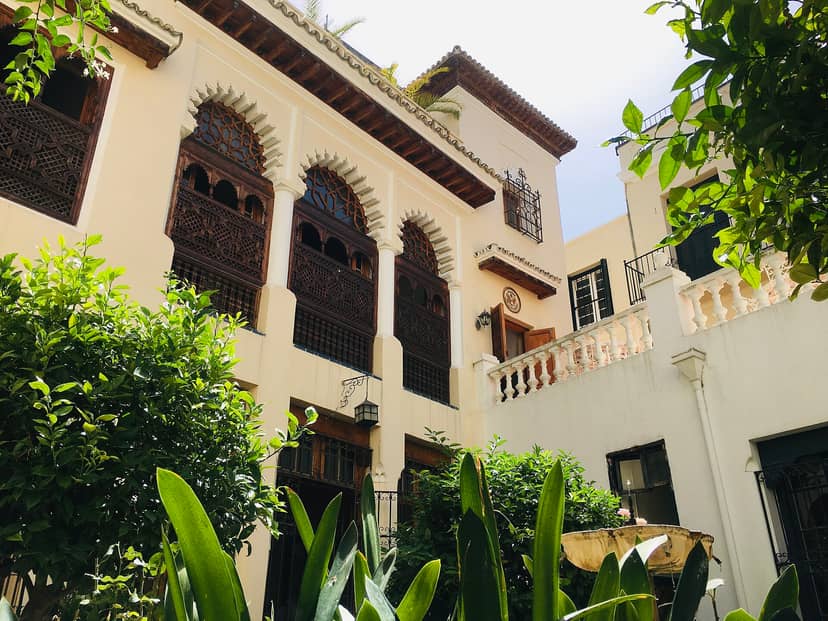
The building was more than a prayer hall. Like many houses of the mellah, it combined several functions under one roof: a rabbinical court, a library, an oven for baking matzah and festival bread, a small mikveh (ritual bath) and a space for making wine. The upper floor held a yeshiva and the rabbi’s study room, which became a place of pilgrimage after his death.
Today the interior is bright and well kept, and largely empty of daily use. An automatic system controls the lights for Shabbat, and the entrance sign is in Arabic, Spanish and English. Tradition holds that the rabbi’s wooden staff has healing powers, especially for women hoping to conceive or facing a difficult pregnancy.
The hilloula
Rabbi Isaac Ben Walid’s hilloula (the annual pilgrimage on the anniversary of a tzaddik’s death) falls on 9 Adar, usually in February or March, and is one of the most popular in North Africa. Families of Tetouan origin come from France, Israel, Canada, Venezuela, Panama and elsewhere. Prayers and chants, some in Haketia, the Judeo-Spanish of northern Morocco, are held at the synagogue and at his tomb in the Jewish cemetery, which many visit at night. A Casablanca-based heritage foundation also holds a Shabbat service here once a year. See our hilloula guide for planning around pilgrimage dates.
Visiting today
The synagogue is kept as a museum and opened for visitors by a community caretaker; in 2019 a community member was showing visitors round, and day tours from Spain still list it as a stop in 2026. There are no published hours. Ask in the mellah or arrange the visit through the community; a tip is expected. We set this up with a guide who knows Jewish Tetouan when we plan your trip.
Dress modestly, and men should cover their heads. Ask before photographing.
Nearby in the mellah
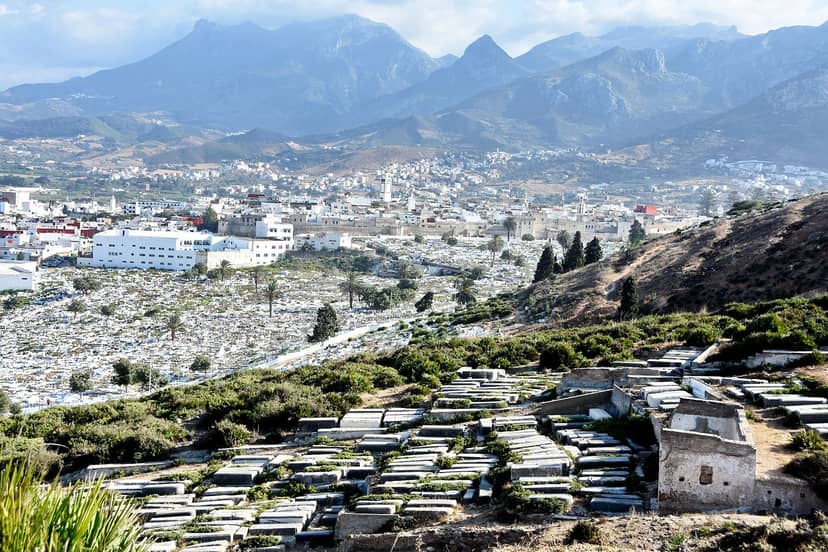
The rest of the Tetouan mellah surrounds the synagogue south of the old medina, and the large Jewish cemetery, with the rabbi’s tomb, is on the northeast side of the city. Tetouan is almost 40 miles from Tangier, so the two combine well in our Tangier and Tetouan guide.
Isaac Ben Walid Synagogue: questions travellers ask
Is the synagogue still used for services?
The last regular service was held in 1968. It is now used for visits and for the hilloula, and a heritage foundation holds a Shabbat service here once a year.
Can non-Jews visit?
Yes. The synagogue is kept as a museum and visitors of all backgrounds are shown round; dress modestly and men should cover their heads.
When is the hilloula of Rabbi Isaac Ben Walid?
On 9 Adar in the Hebrew calendar, usually February or March. Ceremonies take place at the synagogue and at his tomb in the Jewish cemetery.
How far is Tetouan from Tangier?
Almost 40 miles, so Tetouan works as a day trip from Tangier or as an overnight stop on the way to Chefchaouen.
Do I need a guide?
There are no published opening hours, so a guide or community contact makes the visit much easier. We arrange both.
Sources. Wikipedia; Diarna; JTA (2020); New York Jewish Travel Guide (2019); Ceuta Desconocida; GetYourGuide listing (2026). Researched and fact-checked by Gateway2Morocco, October 2026. Access to religious sites changes; we confirm every visit when we plan your trip.