Mellah · Meknes
Meknes Mellah: The Old and New Jewish Quarters
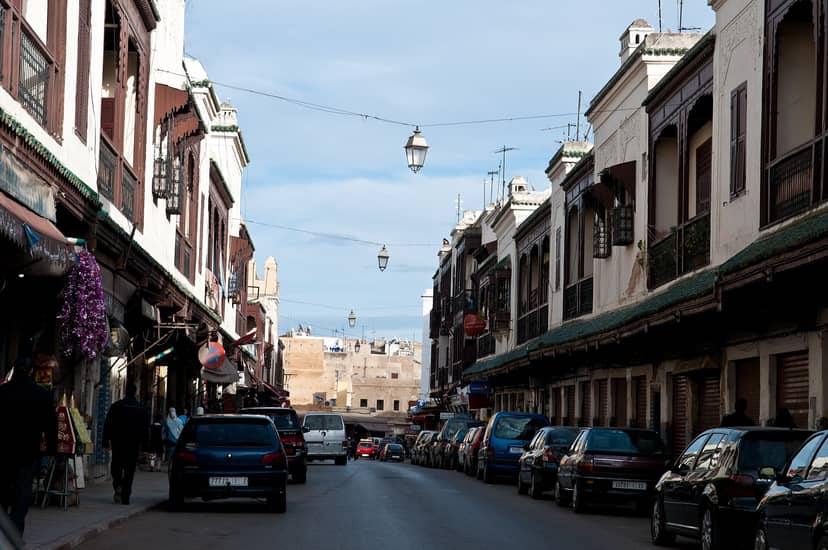
Meknes was home to one of Morocco’s largest and most learned Jewish communities, the city of the Toledano and Berdugo rabbinic families. It has two Jewish quarters: the old mellah, laid out under Sultan Moulay Ismail in the 1680s, and an unwalled New Mellah built after 1912. Today most residents are Muslim, but the cemetery, restored synagogues and a small museum make it a strong stop between Fes and Volubilis.
How the quarter began
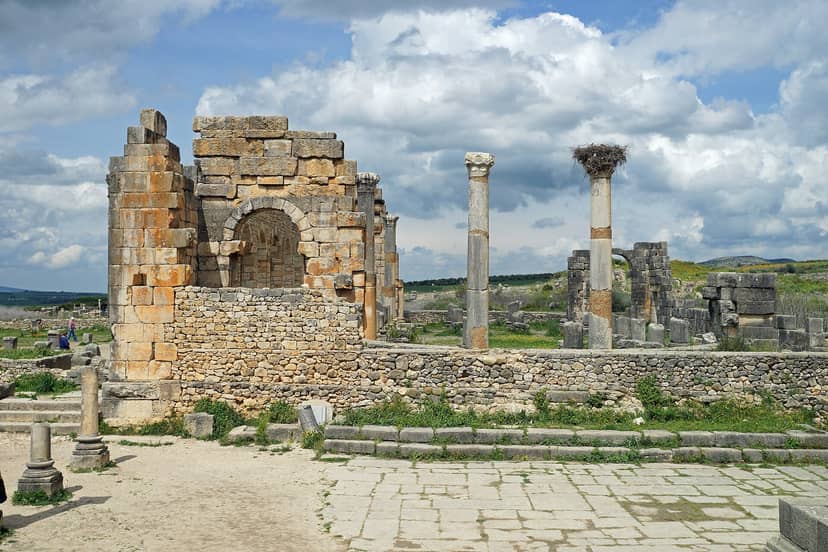
Jews lived in the Meknes region long before the mellah. Encyclopaedia Judaica notes a Hebrew inscription and remains at nearby Volubilis, and records the statement that a synagogue called the Tobi was built in Meknes in 1540, which suggests Jews already lived in the area of the present mellah.
Moulay Ismail (r. 1672–1727) made Meknes his capital. In 1682 he moved the city’s Jewish population to a district south-west of his new royal citadel and granted the community extra land to build on; the nagid (community leader) Abraham Maymeran and other wealthy Jews built fine houses there. The same year he gave the community land for its cemetery. The gate of Bab el-Khemis, completed in 1686–87, served as the main entrance to the mellah. Unusually, according to the heritage site moroccanjews.org, the Meknes mellah does not adjoin the royal palace, as most Moroccan mellahs do.
A community of scholars
Encyclopaedia Judaica calls the Meknes community one of the best developed and organised in Morocco until the 19th century. Leading families included the Maymerans, Toledanos, Ibn Attars, Ben Mimons and Ben Quiquis, and many rabbinic scholars and judges came from the Berdugo and Toledano families. Ze’ev Halperin, who arrived in 1912, founded a kolel, a study institute for married Torah scholars, the first in Meknes and probably in Morocco. By 1947 the Em ha-Banim school had about 1,200 pupils, and in 1950 the Alliance Israélite Universelle ran two large schools with about 1,500.
The New Mellah
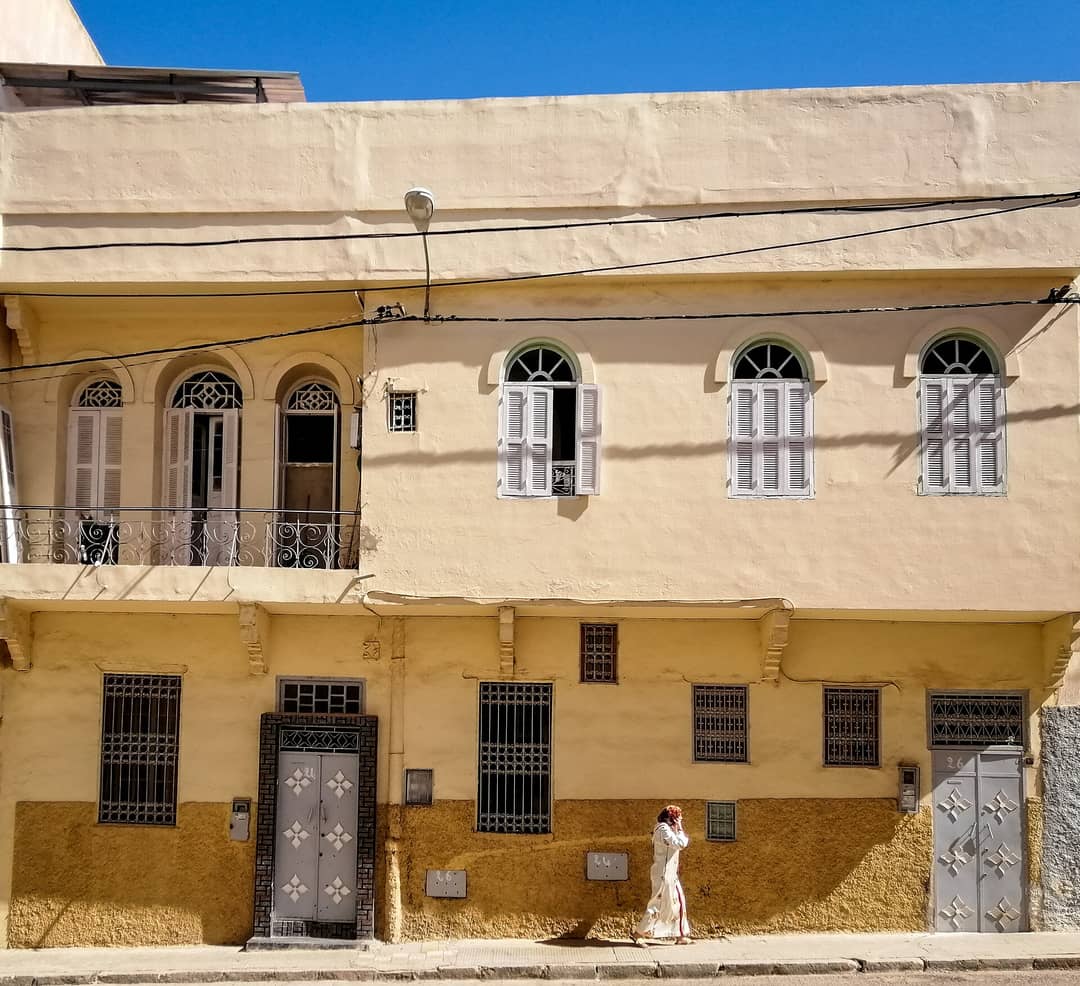
After the French Protectorate began in 1912, the authorities allotted land for a new Jewish district beside the old one. Its houses were modern, spread out and not surrounded by a wall. Moroccanjews.org notes that Meknes is the only Moroccan city where Jews moved into a new mellah in this way.
The city’s Jewish population was 15,482 in the 1947 census, 12,445 in 1951 and 10,894 in 1960. Most families emigrated in the 1950s and 1960s, the majority to Israel, and by 1968 only 2,000 to 3,000 remained. Today about a hundred Jews live in Meknes, some of them in the New Mellah.
Sites in and around the mellah
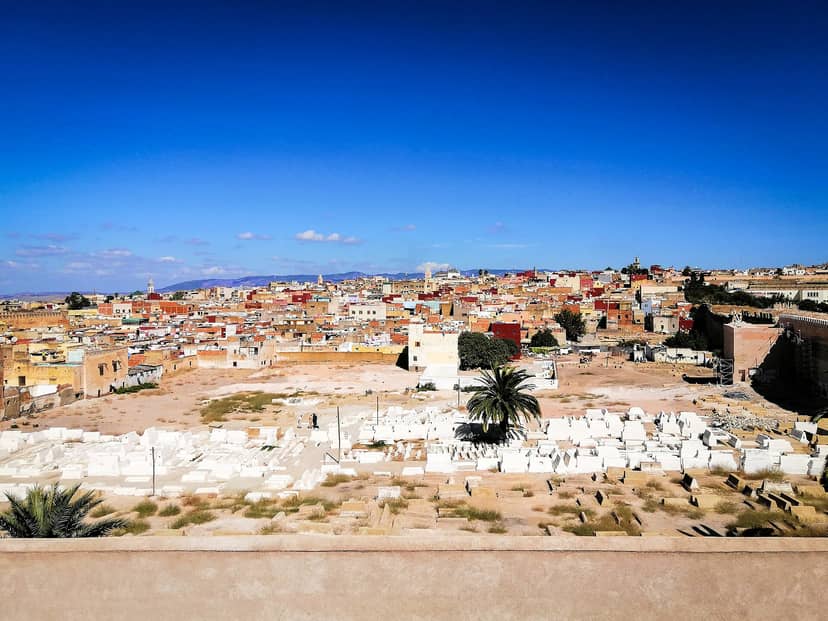
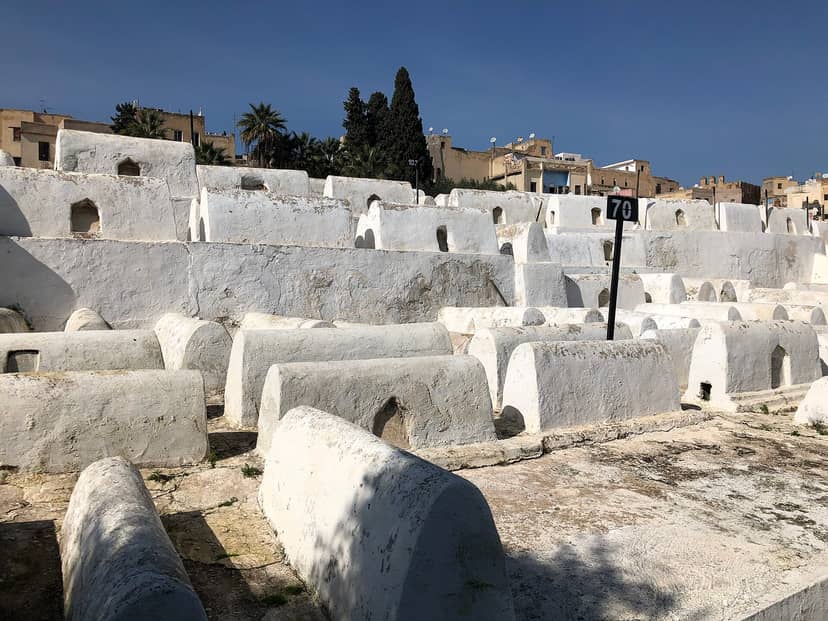
The Jewish cemetery of Meknes, restored in 2022, holds the tombs of the city’s sages and hosts a hilloula on Lag BaOmer.
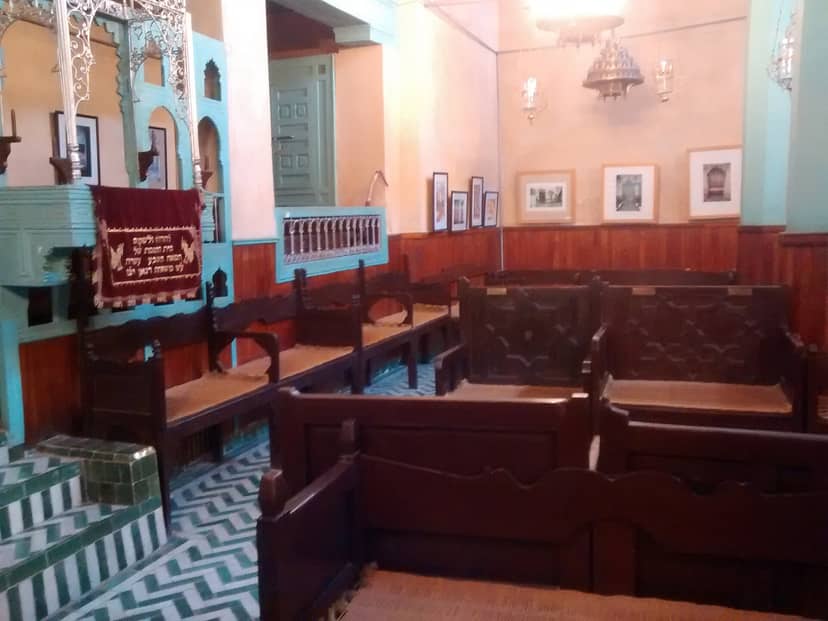
The Toledano Synagogue Museum, known as Slat Rabbi Baroukh, was reopened in May 2023. One floor is for prayer; the other holds early 20th-century documents, including a list of Meknes Jewish families and papers on building the New Mellah.
The Rabbi Meir Toledano Synagogue, or Mahrit, in the old city was rebuilt in 1646; its current opening is unconfirmed.
The El Krief synagogue stands near the newer cemetery. In 2026 community leaders named its renovation, and turning the old Talmud Torah school into a cultural centre, as future projects.
Visiting tips
The mellah streets are public and can be walked at any time, but little is signposted. A local guide makes the difference: they can find the synagogues, arrange entry to the cemetery and point out former Jewish houses. Meknes works well as a day out from Fes, combined with the Roman site of Volubilis. Our Fes and Meknes guide has more.
Meknes Mellah: questions travellers ask
Do Jews still live in Meknes?
A small community of around a hundred remains, some of them in the New Mellah. Both mellahs are now mostly home to Muslim families.
What is the difference between the old and new mellah?
The old mellah dates from Moulay Ismail’s reign in the 1680s. The New Mellah was built after 1912 as an open, unwalled district beside it.
Can I see records of Meknes Jewish families?
The Toledano Synagogue Museum displays early 20th-century documents, including a list of Meknes Jewish families. Access is by arrangement.
How long do I need?
Allow two to three hours for the mellah, cemetery and synagogue museum. Many travellers add Volubilis on the same day from Fes.
Sources. Encyclopaedia Judaica; Wikipedia; moroccanjews.org; Le360 (May 2026); Medias24 (2023). Researched and fact-checked by Gateway2Morocco, October 2026. Access to religious sites changes; we confirm every visit when we plan your trip.