
How the quarter began
A local Amazigh ruler built the Taourirt Kasbah in the seventeenth century, and a mellah grew up just outside it. Jews settled there and many worked as merchants, peddlers and jewellers. Oral history recorded by Diarna says the mellah was moved about 100 yards after one of its walls collapsed, so the exact original position of the synagogue is uncertain.
In 1954 about 170 Jews lived in the mellah. Almost all had left by the 1960s. Diarna records that one elderly peddler of animal skins stayed on, living above the synagogue until old age.
The former synagogue today
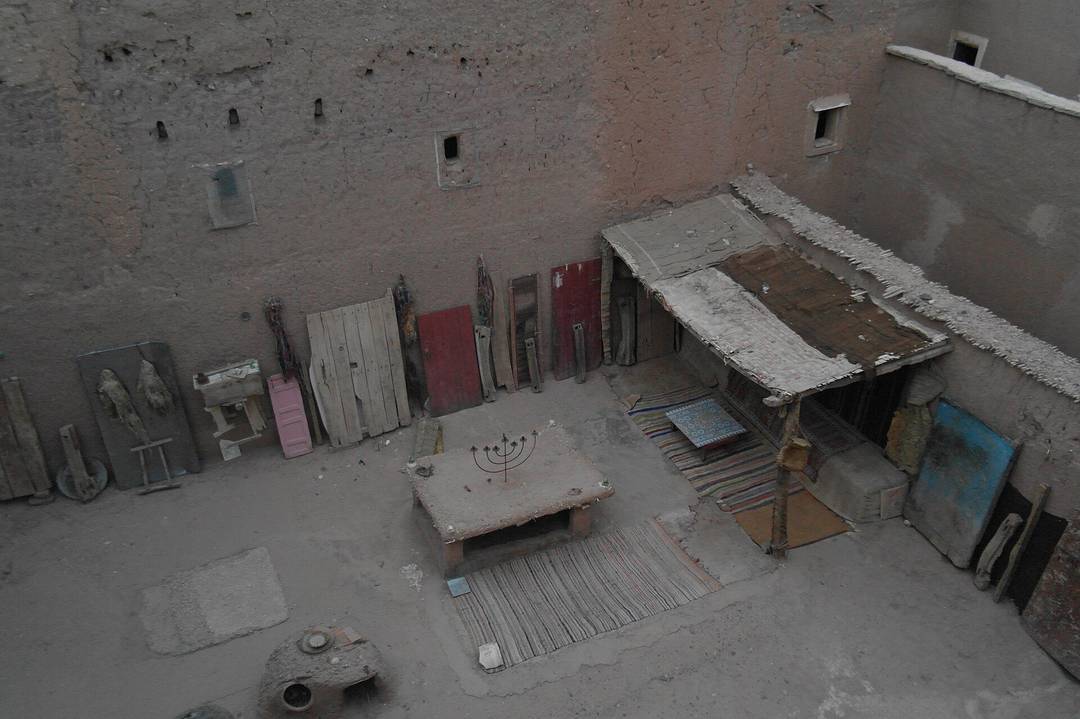
Diarna and Visiting Jewish Morocco both describe the building as a carpet store, where Ouarzazate’s woven carpets are made and sold. A 2023 blog post written after a press trip calls it a well-preserved synagogue museum. It describes a Star of David high on the outer wall, a collection of Berber Jewish objects and Judaica, pictures of rabbis and tzaddikim, and an upper floor with a maze of rooms and stairs, a classroom and a room that was used for prayer.
The same post says the building is more than 400 years old. We could not confirm that; the kasbah itself dates from the seventeenth century, and the quarter may have been rebuilt since. Our honest summary: this is a shop that has kept and displays a real former synagogue. You can see it without buying anything, and we brief our travellers so that the visit stays a heritage stop.
Walking the mellah today
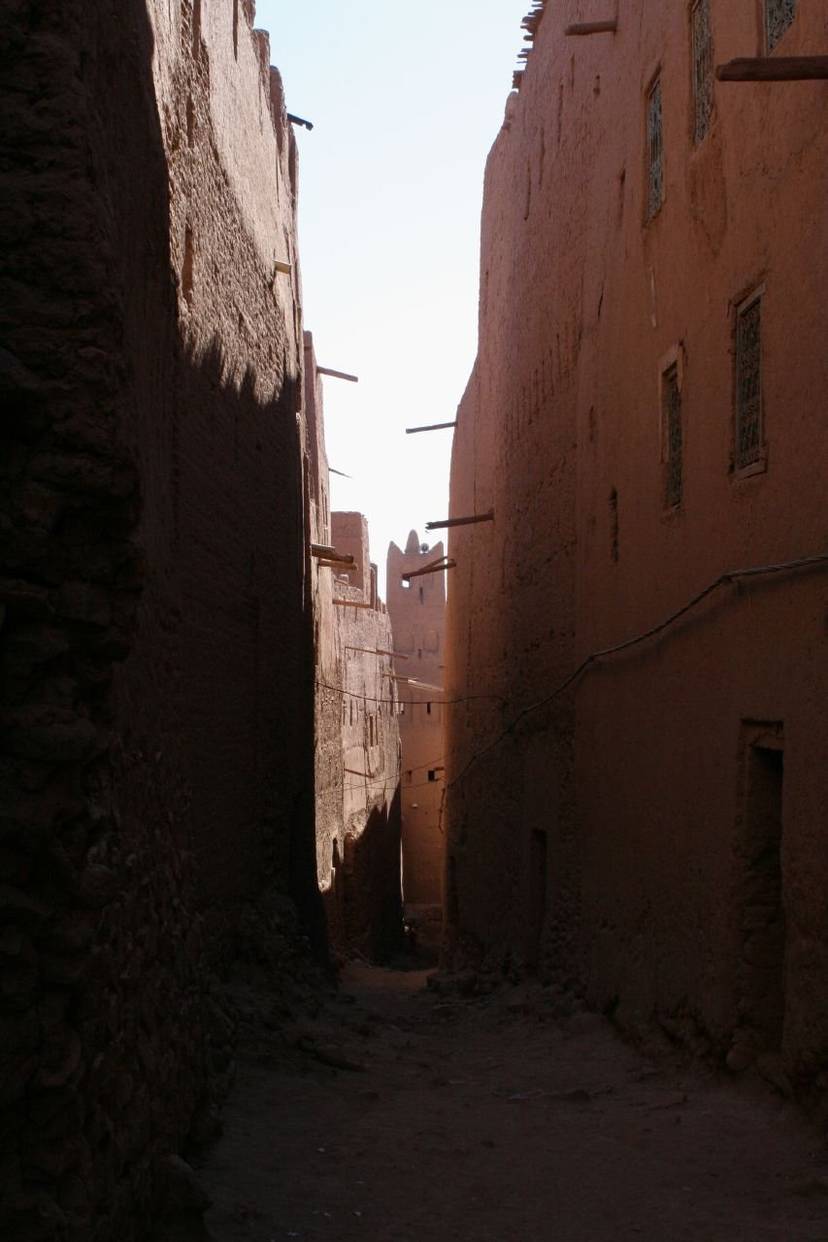
The lanes of the old quarter lie beside the kasbah walls. Little is labelled as Jewish, and a guide who knows the area is the best way to make sense of it. The kasbah next door is a worthwhile visit in its own right.
Beyond the mellah
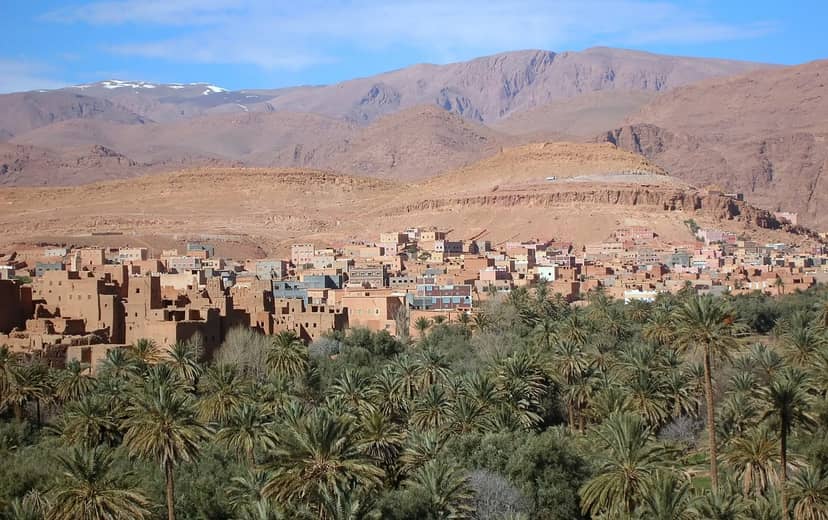
Ouarzazate is the hub for the south. North of town, near Agouim on the Tizi n’Tichka road, is the shrine of Rabbi David ou Moshe. To the south, the restored Jewish cemetery of Tazenakht and the mellah of Amezrou near Zagora make a strong pairing. See our guide to Jewish heritage in southern Morocco.