Who he was
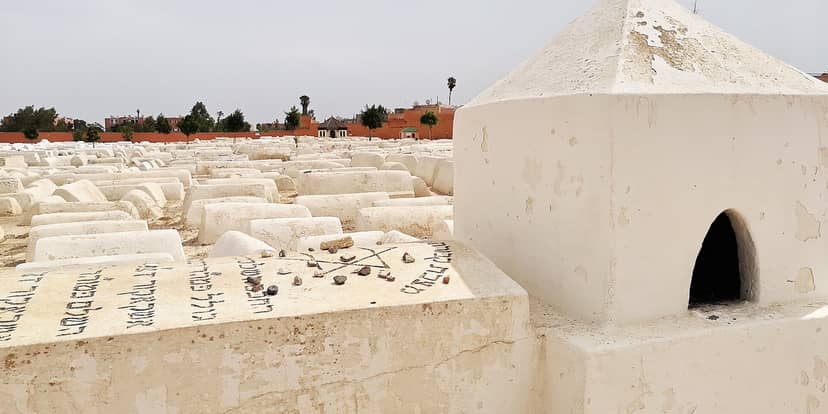
Tradition holds that Rabbi Shlomo was an emissary from the Land of Israel who came to Morocco to raise funds and died, or settled, in the valley. The tomb is said to be about 500 years old, and one account places his death around the 15th century. Stories of his travels, his death and his burial outside a Jewish cemetery vary, and the ethnographer Issachar Ben-Ami recorded many of them in his study of saint veneration among Moroccan Jews. Spellings of his name vary too: Bel-Hench, Ben Lhench, Salomon Bel-Hench.
His nickname means “son of the snake”. One tradition says a snake encircled his head before he died; another, that he turned into a snake to protect the village’s horses from thieves. A further legend tells that, riding home from Marrakech on his mule after settling a dispute, he waved at the setting sun and it stood still until he reached his village. The caretakers credit him with many miracles, and pilgrims still come seeking healing.
The Jews of the Ourika Valley
In the 1950s the valley had about 300 Jewish families, two synagogues and several Jewish schools, spread across many small settlements; one source counts 18. Most families left for Israel in the 1950s and 1960s.
Lalla Saada Alfassi guarded the tomb until her death in 1978, and her grave lies outside the entrance to the tomb. Her son Hananiya Alfassi, remembered as the last Amazigh Jew of the valley, lived at the shrine for more than 30 years, receiving visitors. Sources give his death as either 2013 or 2016, and his photograph hangs beside the tomb. Since then the shrine has been looked after by Fadma (also written Fatima), who lived with Hananiya for decades, cares for the shrine and says everyone is welcome.
The shrine today
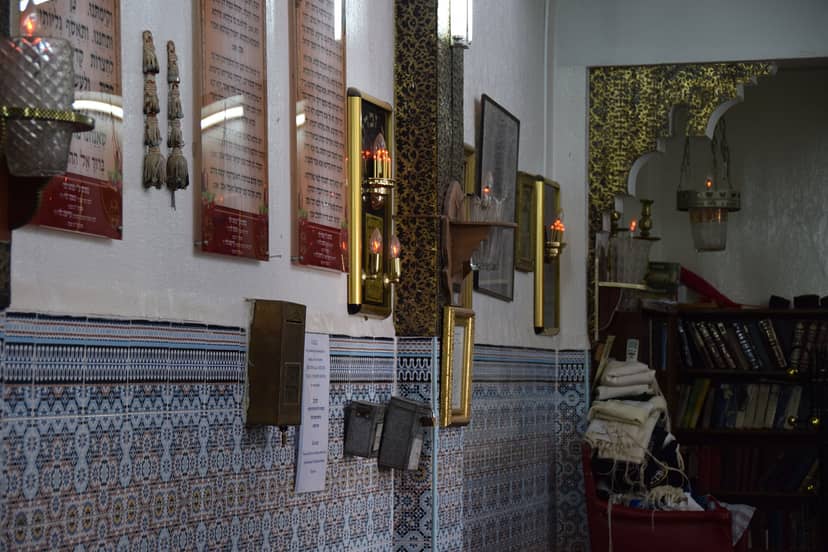
Until a paved road was built, the tomb was reached by an 8-kilometre ride by donkey. Donors from around the world built a marble tombstone over the grave in 1976. The complex was later renovated by Zohra Georgette Elkaim Moyal in memory of her family, and the synagogue was restored around 2019 with funding from Greg Caplan of London. In 2023 there were several guest rooms and a kosher kitchen, and many visitors spend Shabbat at the shrine. Pilgrims come each year from Israel, France and Morocco, Muslim Moroccans among them.
The September 2023 Al Haouz earthquake struck this province hard. We have not found a published report on the shrine’s condition since then, so we check with the caretakers before including it in a trip.
The hilloula
Like other tzaddik shrines in Morocco, Rabbi Shlomo’s tomb has an annual hilloula, the celebration held at a holy man’s grave with prayer, candles and shared meals. We have not found a reliable published date for it. If you would like to time a trip around the pilgrimage, we confirm the date with the caretakers and the Marrakech community; our hilloula guide explains how these gatherings work.
Visiting outside the pilgrimage
On ordinary days the shrine is quiet. The caretaker opens the tomb room, and a small offering is customary. Cover your head and dress modestly, speak quietly, and ask before taking photographs, especially if others are praying. A visit takes about an hour, more if you stop for tea or spend time in the synagogue.
Overnight and Shabbat stays are possible in the guest rooms, but they must be arranged in advance; we can organise this, and kosher meals, as part of a private itinerary. See our kosher travel guide for how we handle food on the road.
Getting there
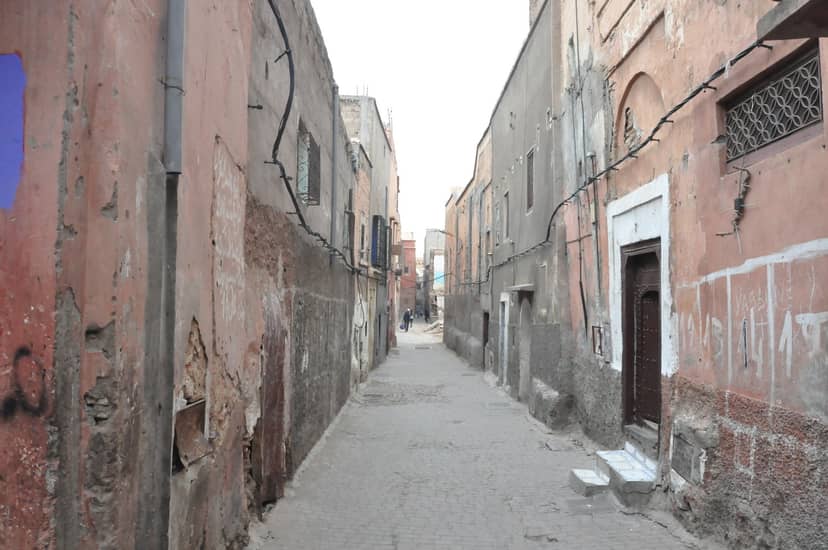
The shrine stands just off the main Ourika Valley road and is marked by a Hebrew sign; Visiting Jewish Morocco places it at Aghbalou. It makes an easy half-day or day trip from Marrakech by car, and pairs well with a walk in the valley. Many local guides know the site, but arriving with someone who has called ahead makes the visit smoother.
Shrine of Rabbi Shlomo Bel Hench: questions travellers ask
Can non-Jews visit the shrine?
Yes. Muslims also honour Rabbi Shlomo as Moul Asguine, and the caretaker says everyone is welcome.
Can we stay overnight or spend Shabbat there?
In 2023 the shrine had guest rooms and a kosher kitchen, and many visitors stayed for Shabbat. Stays must be arranged ahead, and we can set this up.
When is the hilloula?
There is an annual hilloula, but we have not found a reliable published date. We confirm it with the caretakers when planning.
Was the shrine damaged in the 2023 earthquake?
We have not found a report either way. We check its condition with the caretakers before any visit.
How far is it from Marrakech?
It lies off the main Ourika Valley road south of Marrakech, an easy half-day or day trip by car.
Sources. Diarna; The Times of Israel blog (2023); Yabiladi (2019); Visiting Jewish Morocco. Researched and fact-checked by Gateway2Morocco, October 2026. Access to religious sites changes; we confirm every visit when we plan your trip.