
A new museum
King Mohammed VI launched the project in April 2019, during a visit to Fes, as part of the programme to rehabilitate the old medina; the same programme restored the Batha palace, now the Museum of Islamic Arts. The Jewish community of Fes donated the site. The medina rehabilitation agency, ADER-Fès, managed the works with the Fondation Nationale des Musées, and Serge Berdugo, president of the Foundation for Judeo-Moroccan Cultural Heritage, took part in shaping the project. Construction and fit-out were finished in March 2023; a 2023 report put the cost at about US$835,000.
The inauguration on 12 October 2026 was attended by Ahmed Toufiq, Minister of Habous and Islamic Affairs, Serge Berdugo, Mehdi Qotbi, president of the Fondation Nationale des Musées, the wali of the Fès-Meknès region and a number of ambassadors. Hespress describes the public funding of a museum wholly devoted to Jewish culture as a historic first in an Arab-Muslim country.
The building
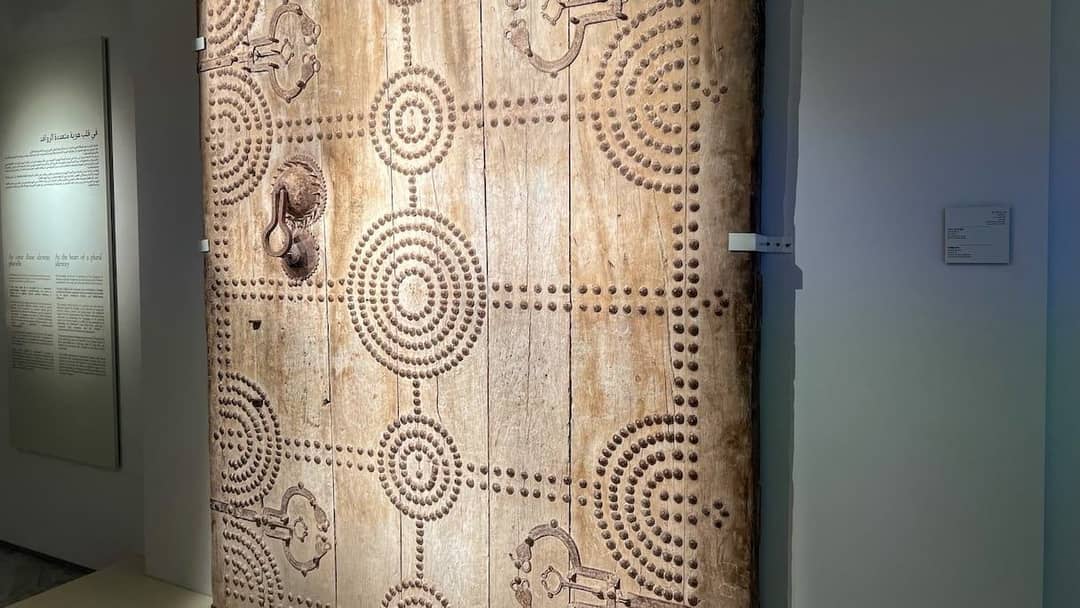
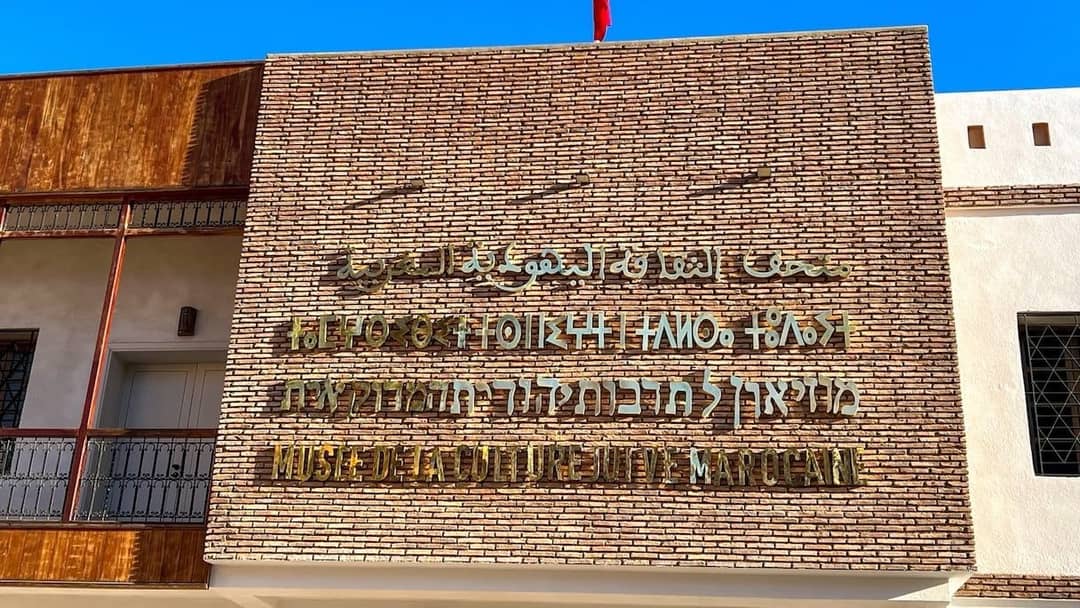
The museum covers more than 1,700 square metres over two levels, about 1,200 of them galleries. Its entrance courtyard follows traditional Fassi design, with zellij tilework, carved plaster, painted wood and a marble fountain. The name on the facade is set in brass in four languages: Arabic, Amazigh (in Tifinagh script), Hebrew and French.
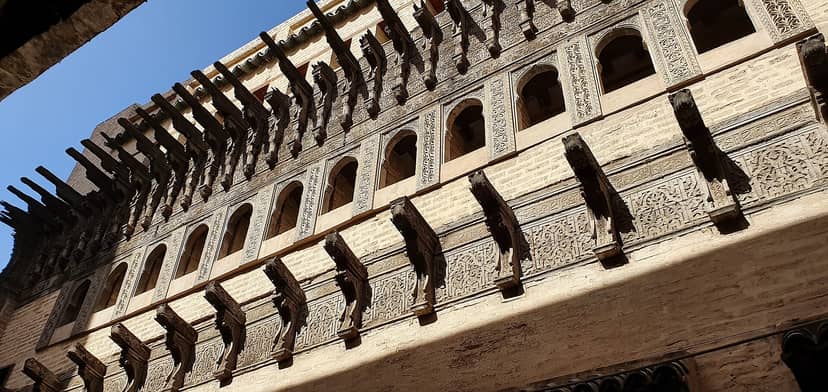
Reports differ on the building’s origins. In 2023, i24NEWS described a former dispensary and kindergarten of the mellah, with balconies over the street, adapted for the museum; 2026 reports speak of construction and fit-out on the donated site without mentioning an earlier building.
What you’ll see
On the ground floor a long chronological frieze traces Jewish presence in Morocco from the earliest evidence to today, through the founding of the Fes mellah in 1438 and the arrival of Jews expelled from Spain in 1492. The museum frames the story as more than 2,500 years; that framing is its own.
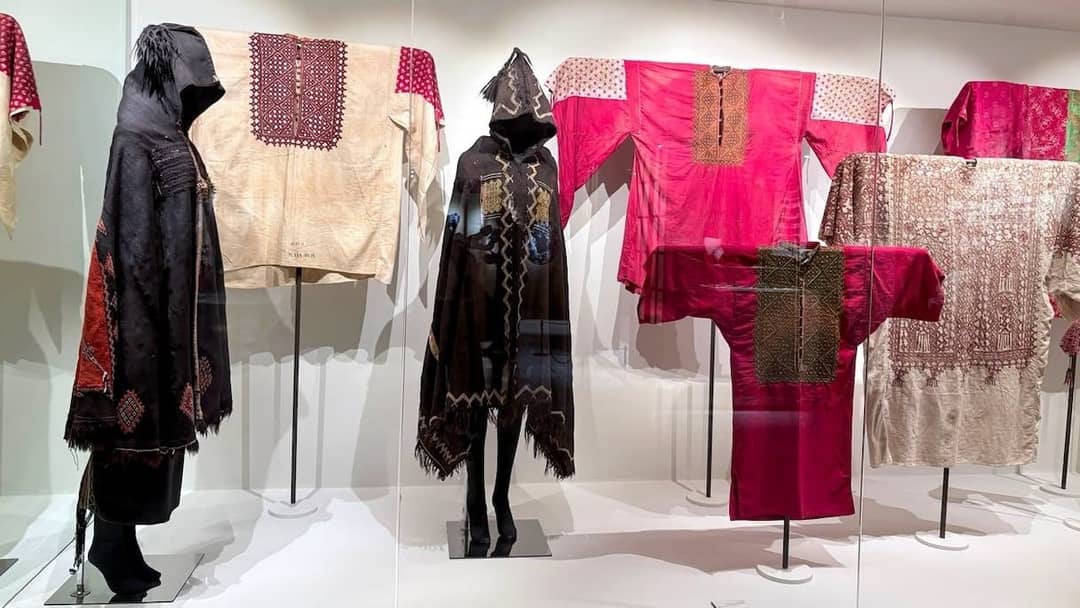
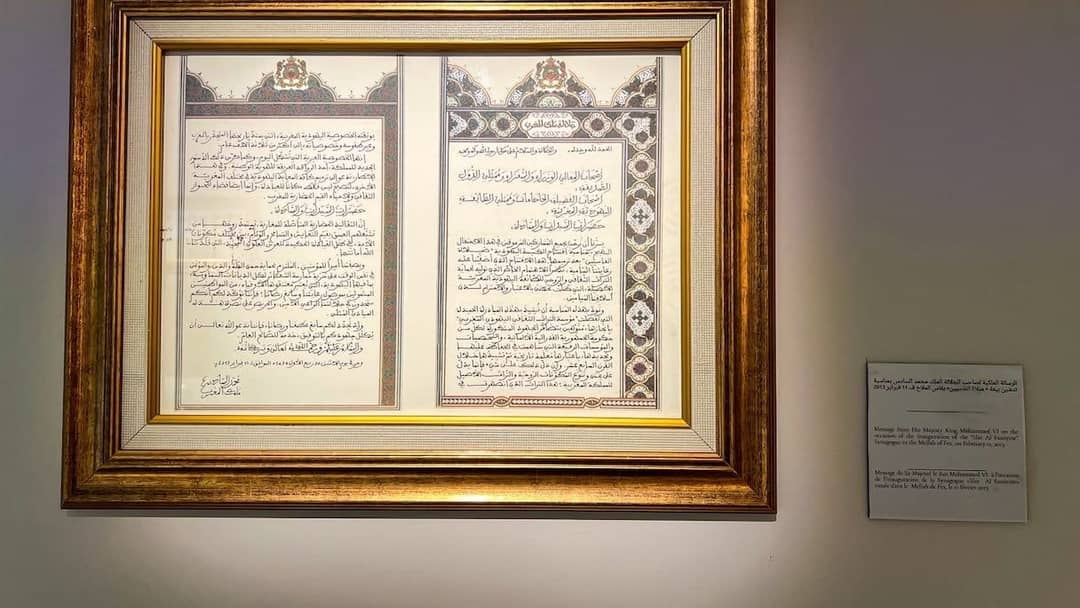
The galleries then follow community institutions (synagogues, Hebrew schools and rabbinical courts) and the cycle of life: birth and circumcision, bar mitzvah, weddings, funerals and the festivals of the Jewish year. Objects on display include Torah scrolls, prayer shawls, ketubbot (marriage contracts), circumcision chairs, bridal costume including the keswa el-kbira, and jewellery. A reconstructed jeweller’s workshop with its tools recalls the goldsmiths and silversmiths for which the Fes mellah was known, alongside silver ornaments, textiles, regional clothing and musical instruments. Archives, rare books and manuscripts include the framed message King Mohammed VI sent for the reinauguration of the Slat al-Fassiyin synagogue in February 2013.
Audiovisual installations complement the collections, and there are dedicated spaces for children and school groups. The curators named are Zhor Rehihil and Abdelaziz El Idrissi, with scenography by Isabelle Timsit. Our article on the museum’s opening has more photos and a suggested day.
Visiting today
Serge Berdugo, president of the Foundation for Judeo-Moroccan Cultural Heritage, has said the museum is open to the public every day except Tuesday. As of 21 October 2026, opening hours, ticket prices and an official street address had not been published. Reports place the museum in the mellah, and a visitor at the opening wrote that the Jewish cemetery adjoins it; others measure it from the Batha palace, which is in a different part of Fes. We confirm the entrance, hours and fee before sending travellers, and will check them for your dates when we plan your trip.
Morocco has another Jewish museum, the Museum of Moroccan Judaism in Casablanca, which is a separate institution.
Nearby in the mellah
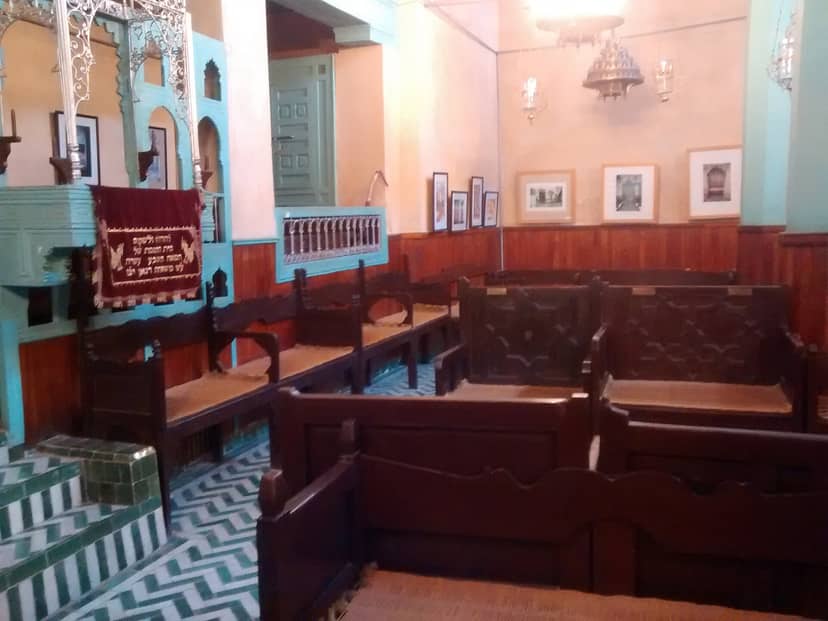
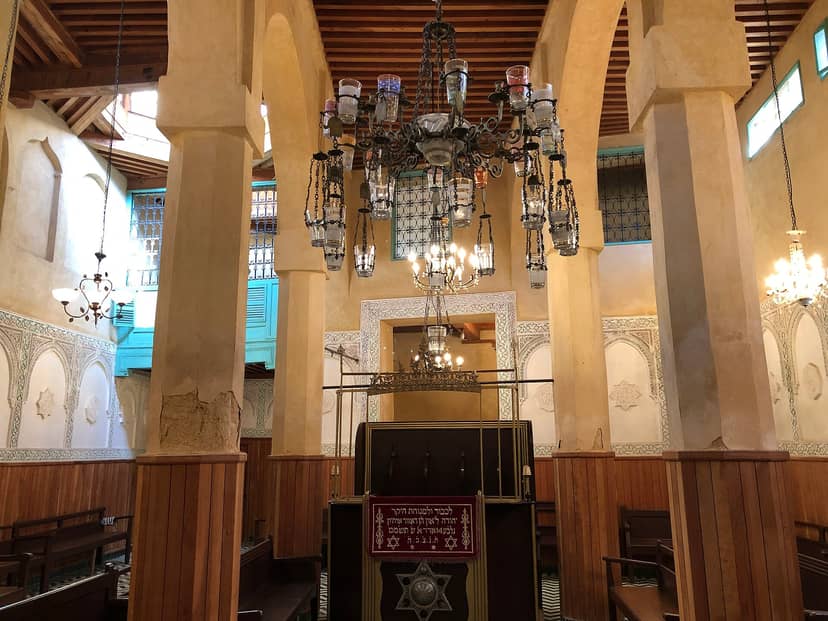
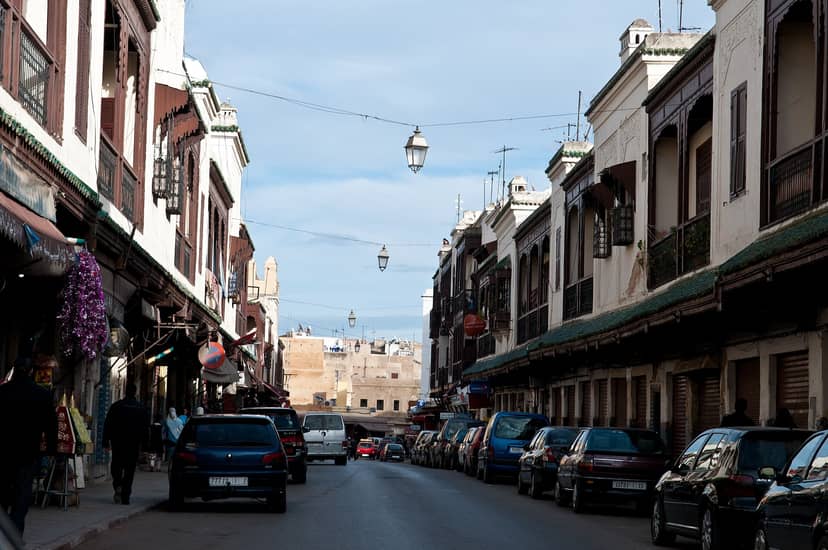
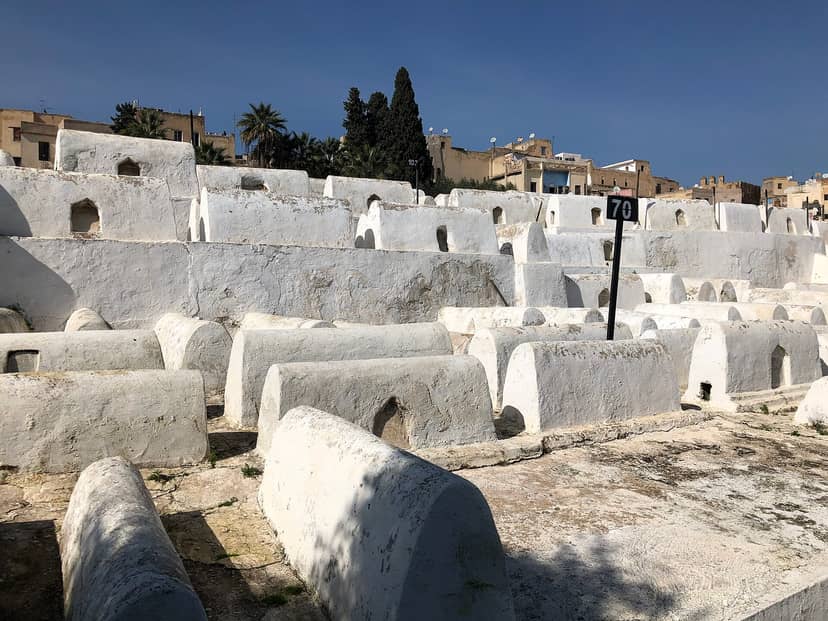
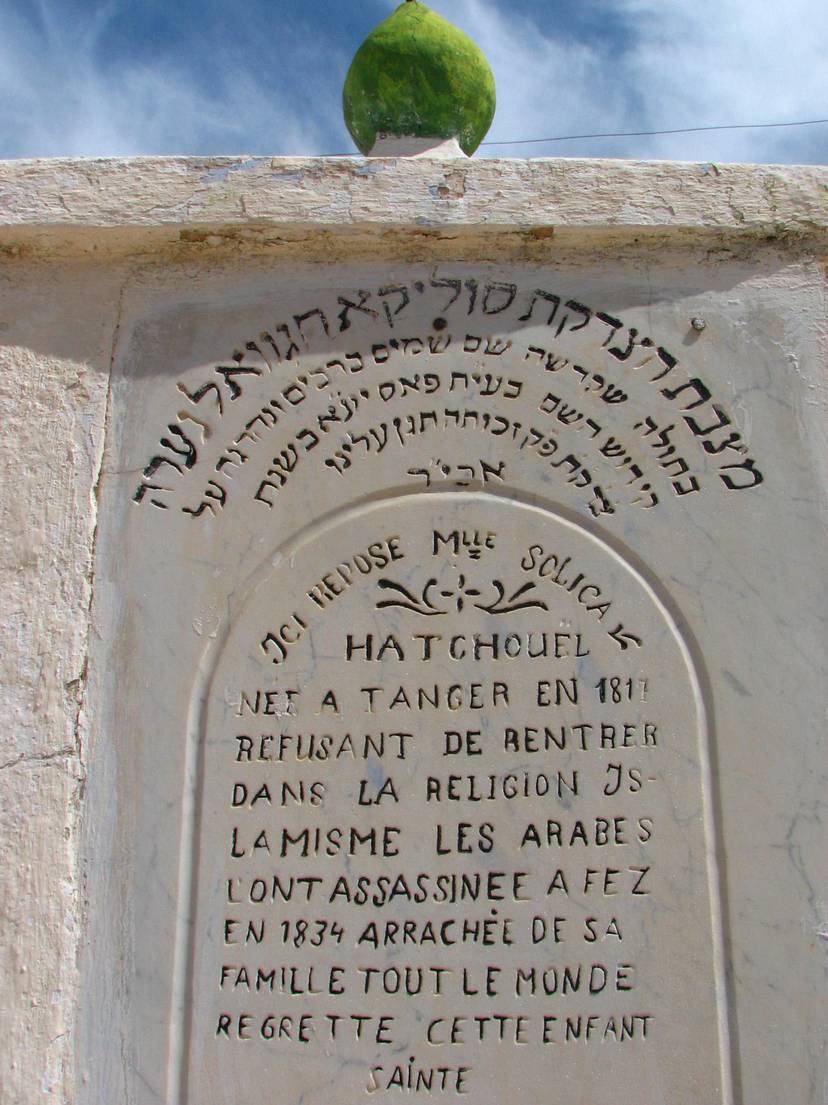
The museum gives context to what you see on a walk through the Fes mellah: the restored Ibn Danan and al-Fassiyin synagogues, the balconied houses of Rue des Mérinides and the Jewish cemetery. Our Fes Jewish heritage guide sets out a full day.