
Eight regions, one country
Places to visit in Morocco
From the medinas of Marrakech and Fes to the Erg Chebbi dunes, the kasbah road, the High Atlas villages, the Atlantic coast and the blue north — what each region is like, when it’s at its best, and where to stay.
- Region-by-region weather from 30 years of data
- Where to stay and what to do in each
- Routes that link them together
The red city
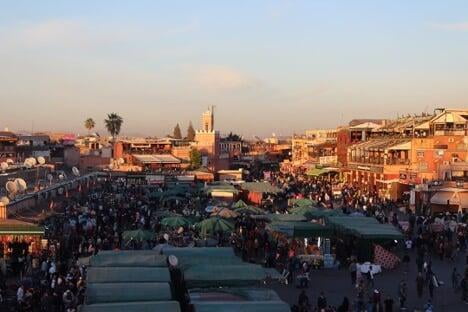
Marrakech
The medina, the souks and Jemaa el-Fna at dusk, with gardens and palaces a short walk apart. Most private journeys start or end here.
Marrakech: The Red City: palaces, gardens and the souks of the medina around Jemaa el-Fna, with the Atlas Mountains on the horizon. Days here move between busy lanes and quiet riad courtyards — plan a slow afternoon for every busy morning.
When to go
- JanGood
- FebBest
- MarBest
- AprBest
- MayGood
- JunHot
- JulHot
- AugHot
- SepGood
- OctBest
- NovBest
- DecBest
Where to stay
- Hotel la Maison Arabe · Marrakech
- Mövenpick Hotel Mansour Eddahbi · Marrakech
- Les Jardins de la Medina · Marrakech
- La Mamounia · Marrakech
The imperial north-centre
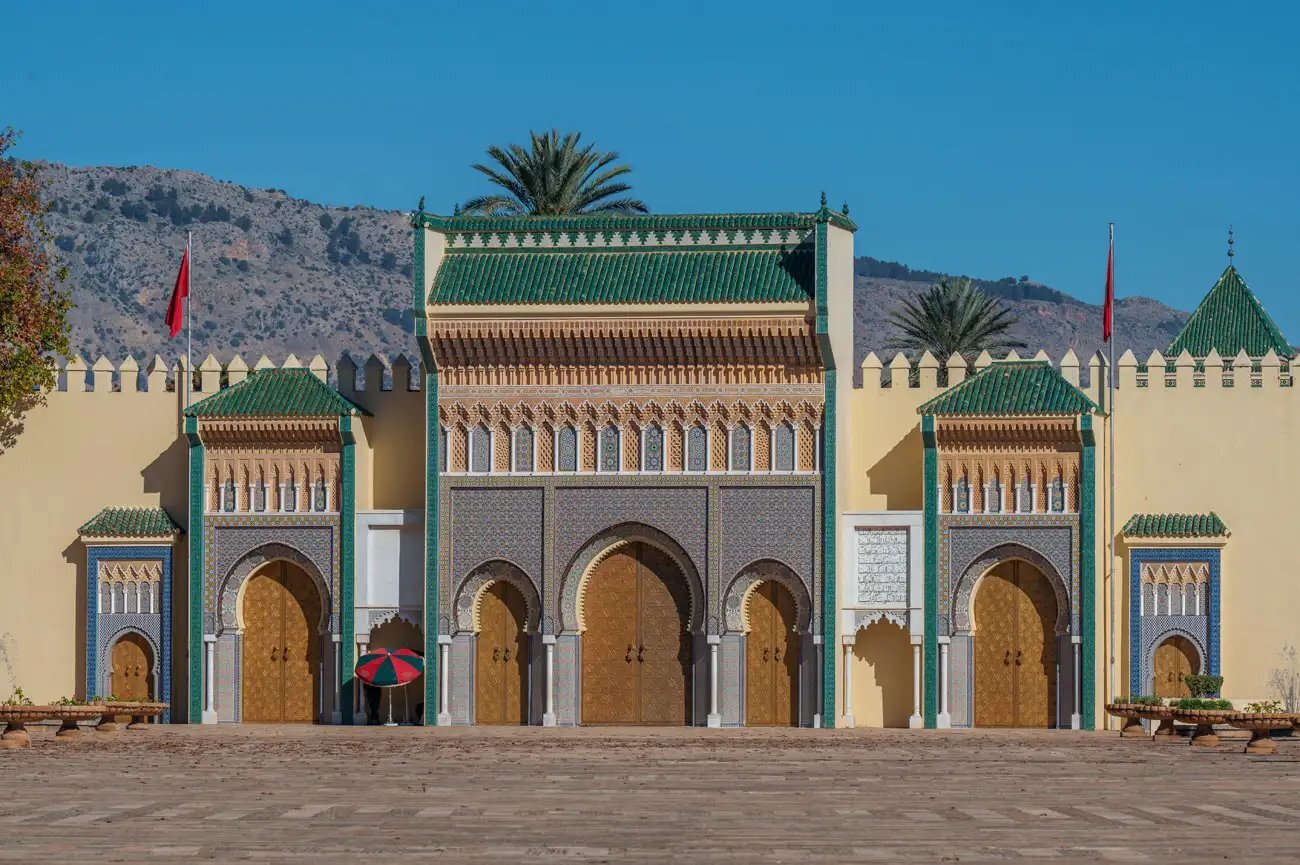
Fes & Meknes
Fes el-Bali, the largest car-free medina in the world, with Meknes, Roman Volubilis and the hill town of Moulay Idriss an easy day away.
Fes: The oldest of the imperial cities and the spiritual heart of Morocco. Fes el-Bali is one of the largest car-free medinas in the world — tanneries, madrasas and craftsmen working as they have for centuries.
Meknes: The imperial city of Sultan Moulay Ismail — monumental gates such as Bab Mansour, royal granaries and stables — close to the Roman ruins of Volubilis and the holy town of Moulay Idriss.
When to go
- JanGood
- FebGood
- MarGood
- AprBest
- MayBest
- JunGood
- JulHot
- AugHot
- SepGood
- OctBest
- NovGood
- DecGood
Where to stay
- Palais Faraj Suites & Spa · Fes
- Fes Marriott Hotel Jnan Palace · Fes
- Riad Fès – Relais & Châteaux · Fes
- Riad Mazar Fes · Fes
Erg Chebbi & Erg Chigaga
The Sahara
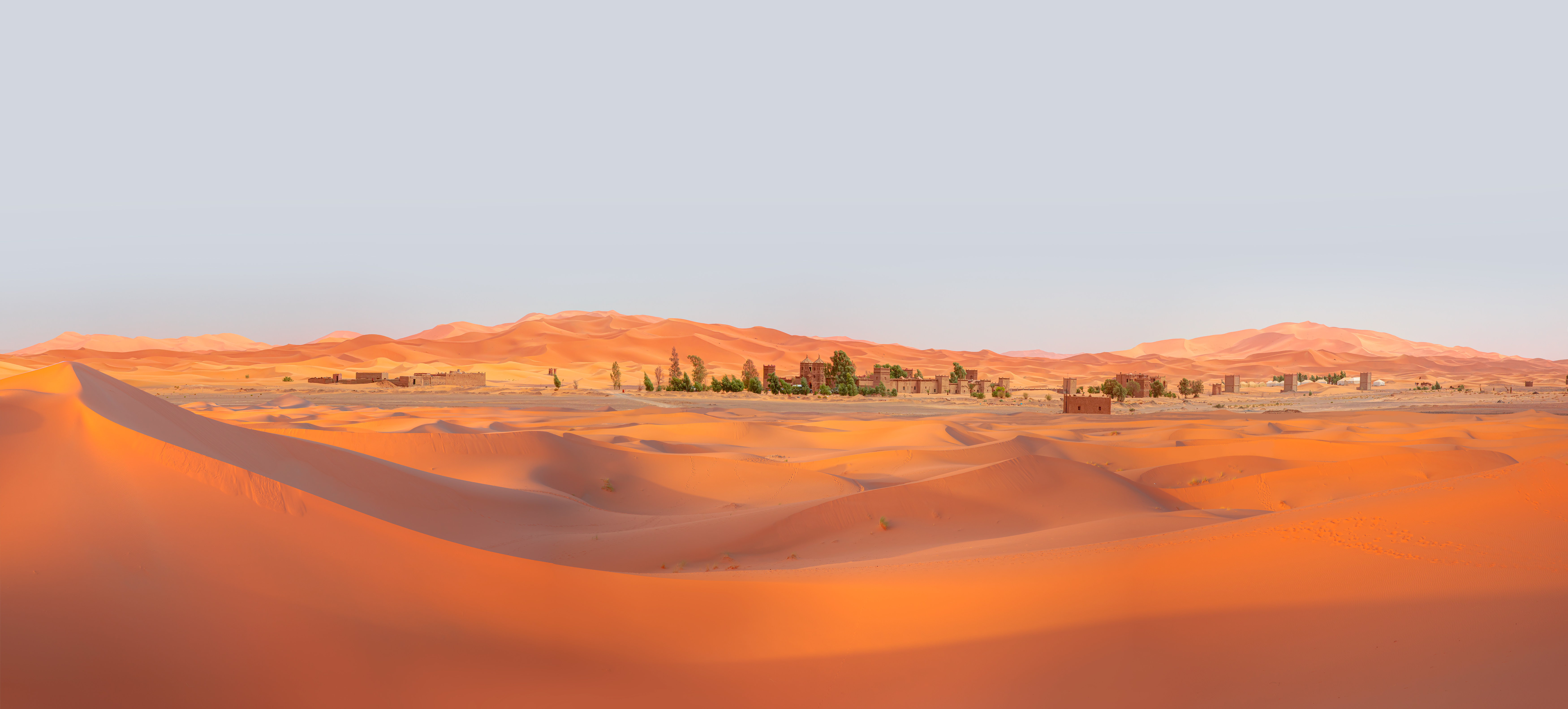
The high dunes of Erg Chebbi at Merzouga, or the remoter Erg Chigaga beyond M’Hamid. A night in a desert camp is the moment most travellers remember.
Merzouga: The edge of the Sahara and the dunes of Erg Chebbi, some rising over 150 metres. Camel rides at sunset, a night under the stars in a desert camp, and the silence of the sand at sunrise.
When to go
- JanGood
- FebGood
- MarBest
- AprBest
- MayGood
- JunHot
- JulHot
- AugHot
- SepHot
- OctBest
- NovBest
- DecGood
Where to stay
- Madu Premium Camp · Merzouga
- Kasbah Xaluca Erfoud · Erfoud
- Riad Madu · Merzouga
- Sahara Stars Camp · Merzouga
What to do & see
Ouarzazate, Dades & Todgha
Kasbahs & gorges
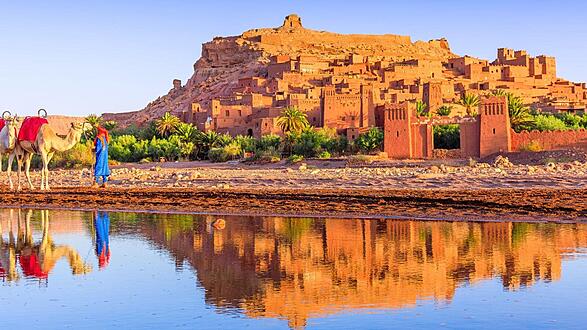
The road of a thousand kasbahs: Ait Ben Haddou, the Skoura palm grove, the Dades and Todgha gorges and the Draa valley.
Ouarzazate: The gateway to the south, the 'Hollywood of Morocco' with its film studios, and the base for Aït Benhaddou, the fortified village of earthen kasbahs that is a UNESCO World Heritage site.
When to go
- JanGood
- FebGood
- MarBest
- AprBest
- MayGood
- JunHot
- JulHot
- AugHot
- SepHot
- OctBest
- NovBest
- DecGood
Where to stay
- Berbere Palace · Ouarzazate
- Kasbah Tamsna · Ouarzazate
- Dar Blues · Dades Gorge
- Dades Xaluca Hotel · Dades Gorge
Mountains & Amazigh villages
The High Atlas
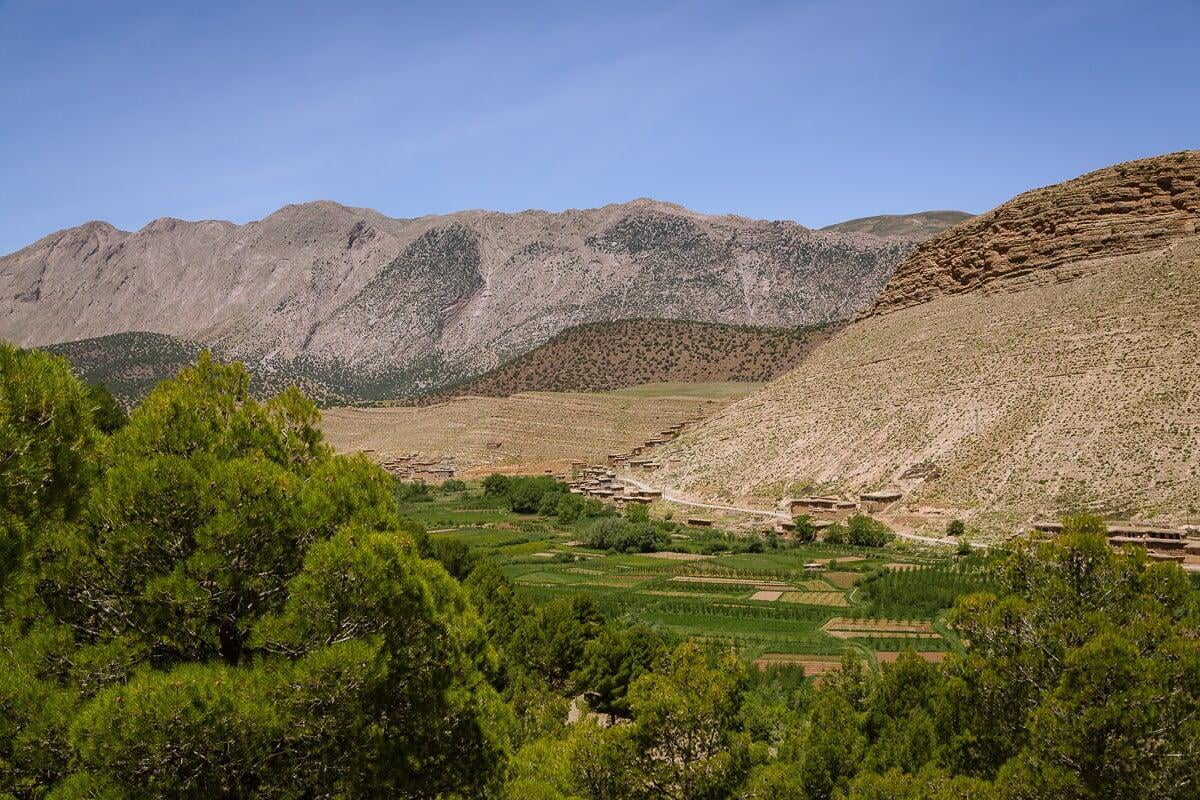
Imlil beneath Toubkal, the Ourika valley, the Tizi n’Tichka pass and, further east, the Imilchil plateau and Agoudal, the village where Brahim was born.
When to go
- JanCool
- FebCool
- MarGood
- AprGood
- MayBest
- JunBest
- JulGood
- AugGood
- SepBest
- OctBest
- NovGood
- DecCool
Where to stay
- Widiane Resort · Bin el Ouidane
- Auberge Camping Baddou · Tamtetoucht
- Kasbah Tamadot · Asni
What to do & see
Wind, ramparts & seafood
Essaouira & the coast
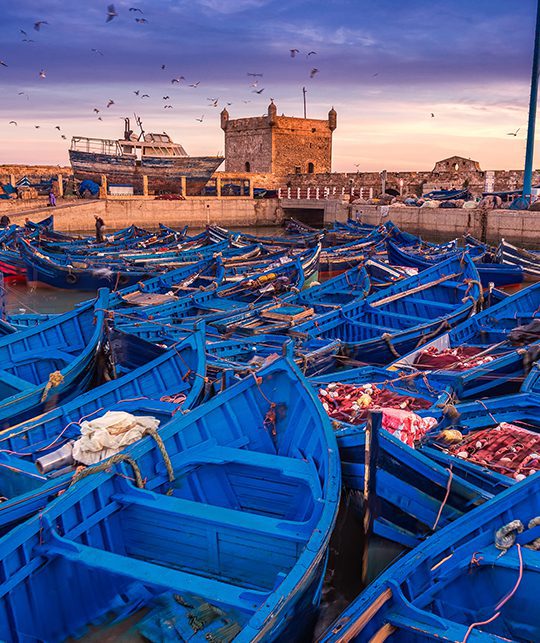
A walled port town on the Atlantic with a slower rhythm, fresh fish at the harbour and argan country inland.
Essaouira: A white-and-blue fortified port on the Atlantic, with ramparts, a working fishing harbour and a relaxed, artistic medina. The wind (the alizé) keeps it cool even in summer.
When to go
- JanGood
- FebGood
- MarGood
- AprGood
- MayBest
- JunBest
- JulBest
- AugBest
- SepBest
- OctBest
- NovBest
- DecGood
Where to stay
- Le Médina Essaouira Thalassa Sea & Spa (MGallery) · Essaouira
- Dar L'Oussia · Essaouira
- Heure Bleue Palais · Essaouira
- Hyatt Regency Taghazout · Taghazout
The Atlantic capitals
Casablanca & Rabat
The Hassan II Mosque on the ocean, Art Deco Casablanca and Rabat’s Kasbah of the Udayas — often your first and last nights.
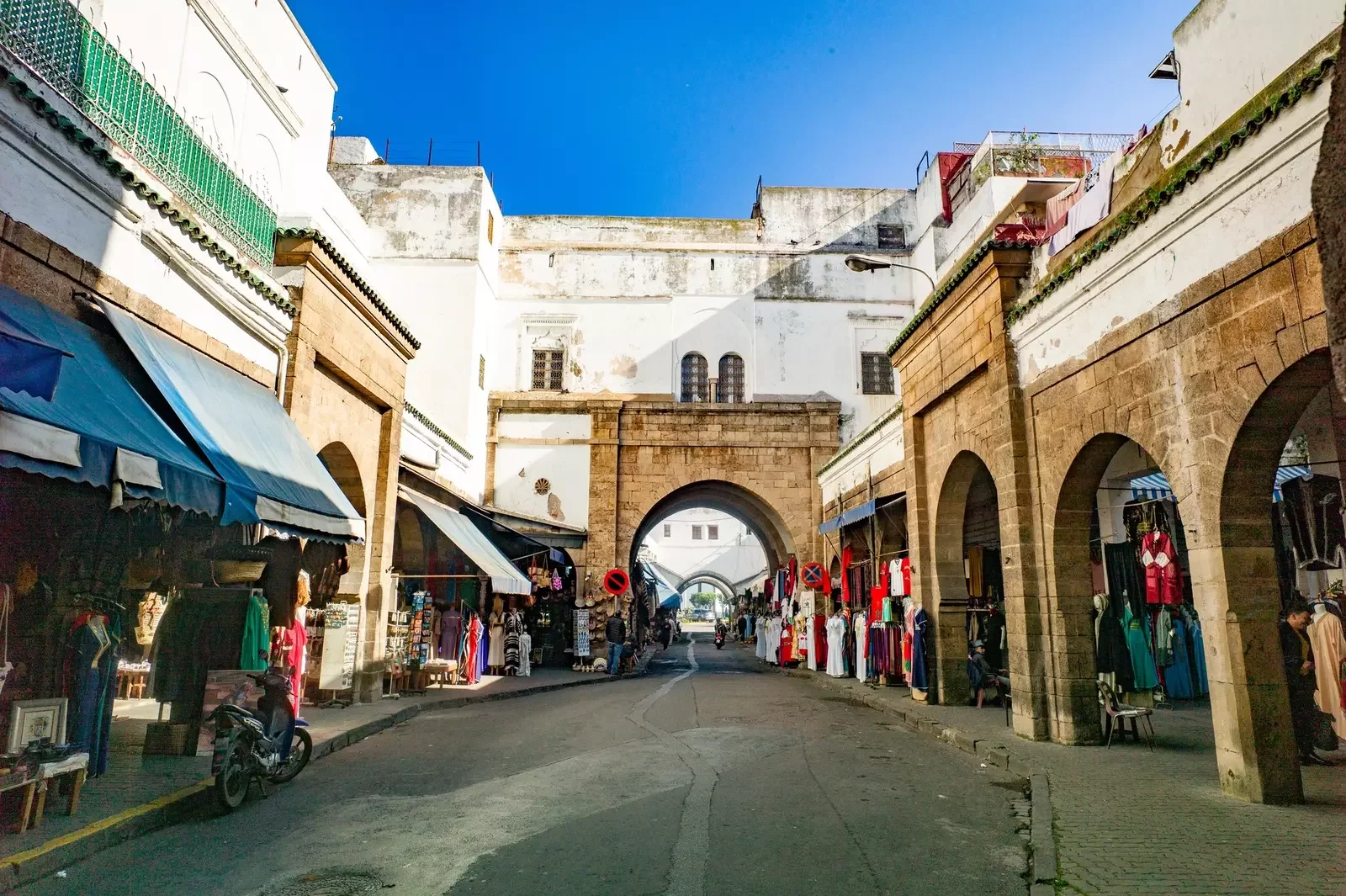
Casablanca: Morocco's modern economic capital and usually your first and last stop. The Hassan II Mosque, standing over the ocean, is one of the few mosques in Morocco that non-Muslims can visit.
Rabat: Morocco's calm, elegant capital on the Atlantic: the Kasbah of the Oudayas above the ocean, the Hassan Tower and the Mausoleum of Mohammed V, and a relaxed medina.
When to go
- JanGood
- FebGood
- MarGood
- AprBest
- MayBest
- JunBest
- JulBest
- AugBest
- SepBest
- OctBest
- NovWetter
- DecGood
Where to stay
- Barceló Anfa Casablanca · Casablanca
- Fairmont Residences la Marina Rabat-Sale · Rabat
- Riad Kalaa · Rabat
- Sofitel Rabat Jardin des Roses · Rabat
The blue city & Tangier
Chefchaouen & the north
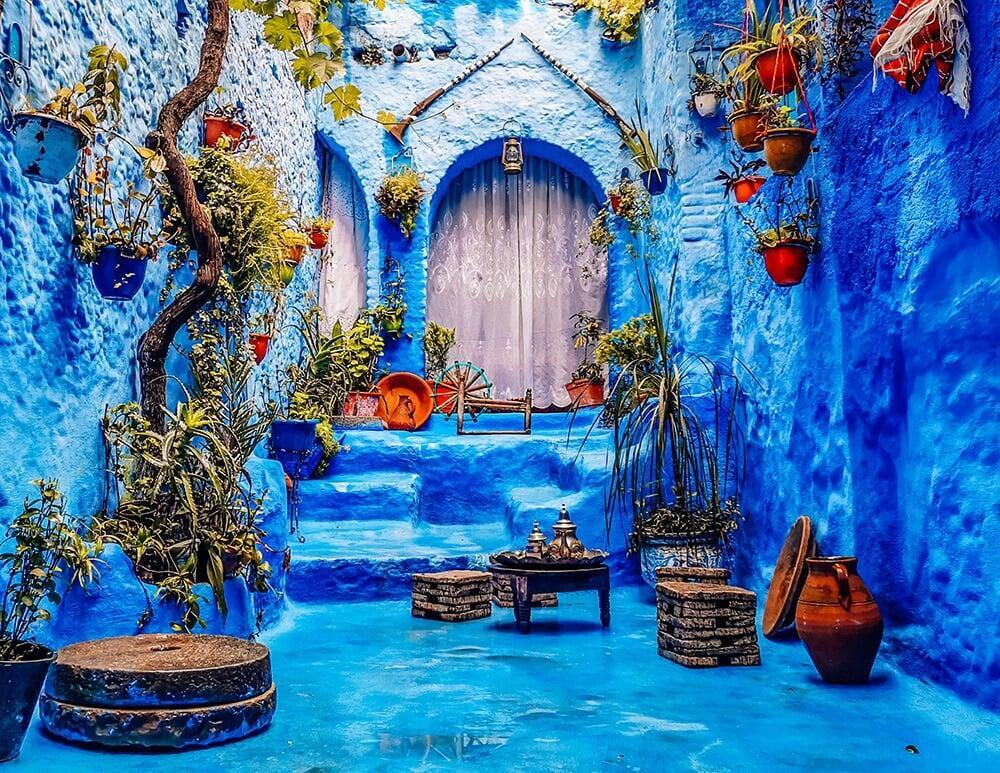
Blue-washed Chefchaouen in the Rif, Tetouan’s white medina and Tangier on the Strait — and the path of the 2 August 2027 total eclipse.
Chefchaouen: The blue town of the Rif Mountains: whitewashed and blue lanes, a small Kasbah and a slow mountain pace. It is a place to wander and to take photographs.
Tangier: Where Africa faces Europe across the Strait of Gibraltar — a cosmopolitan port city with a writers' history, a hilltop Kasbah and cafés looking out to Spain.
When to go
- JanCool
- FebWetter
- MarWetter
- AprWetter
- MayGood
- JunBest
- JulGood
- AugGood
- SepBest
- OctWetter
- NovWetter
- DecWetter
Where to stay
- Dar Echchaouen Maison d'hôtes & Riad · Chefchaouen
- Lina Ryad & Spa · Chefchaouen
- Dar Meziana · Chefchaouen
- Hilton Garden Inn Tanger City Center · Tangier
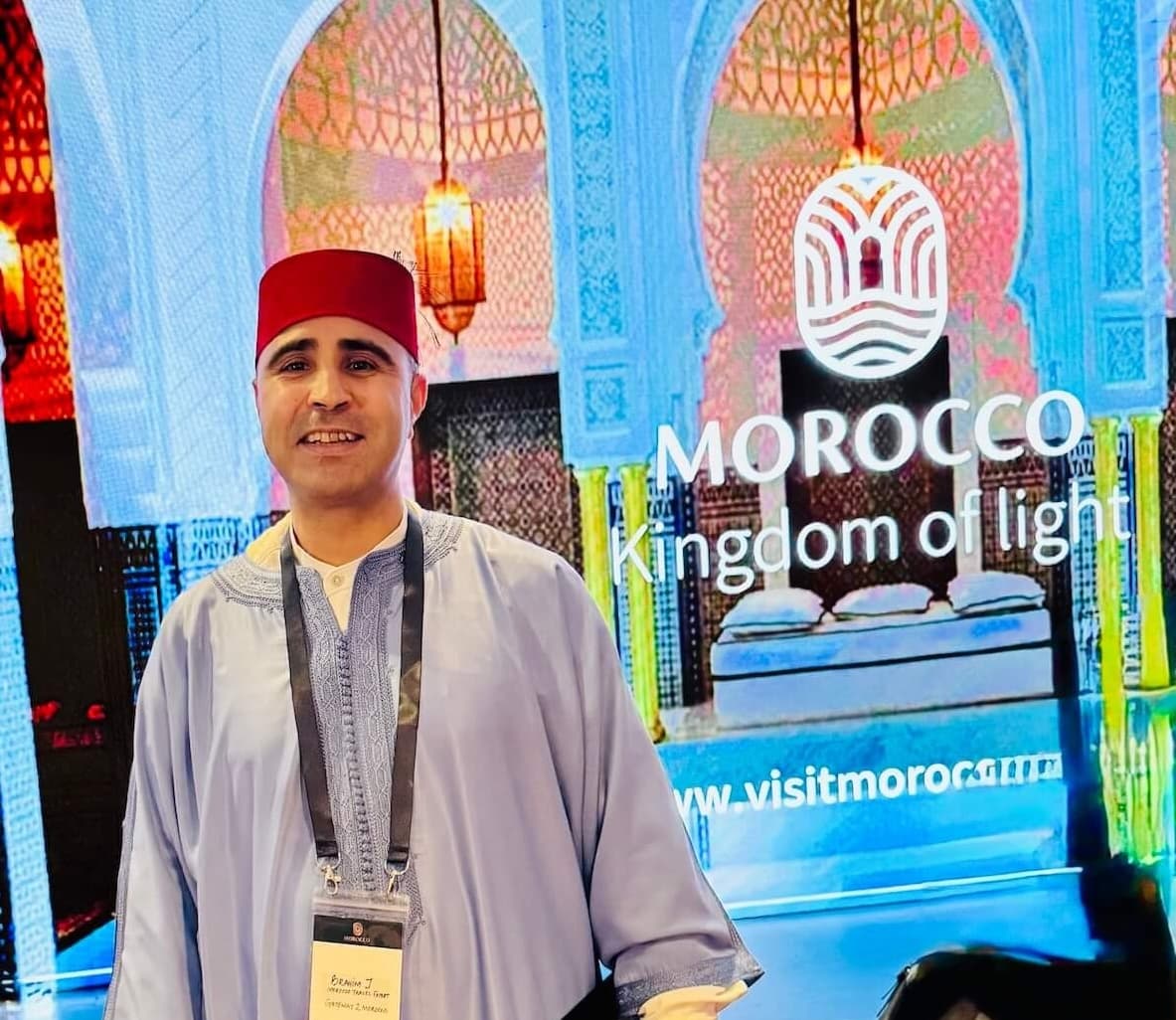
Brahim Jounh
Founder · guiding since 1999
Your Morocco specialist
Which regions fit your days?
Most first trips link three or four regions in 10 to 14 days. Tell Brahim how long you have and what you care about, and he’ll suggest the route that fits — with honest driving times.
★ 4.9 on TripAdvisor · 300+ reviews · BC Consumer Protection Licence #80460